Pillow Reviews and Sleep Gear, Analyzed From Specs and Research
No marketing copy, no recycled adjectives: just published numbers. Every recommendation is built on manufacturer specs, published sleep research, or clearly labeled analysis, and we cite the source every time.

Start Here
Pillow Guides
Practical pillow care: washing, drying, fluffing, stopping yellowing, and knowing when to replace. Step-by-step guides based on manufacturer instructions and material science.
Pillow Materials
Memory foam, latex, down, buckwheat, silk what each pillow material is, how it behaves overnight, and which one fits you. Every claim traced to specs or published research.
Pillows by Sleep Position
Side, back, or stomach sleeper your position decides your pillow. These guides match loft, firmness, and shape to how you actually sleep, using published specs and sleep research.
Sleep Measurements & Tracking
Pillow sizes, loft numbers, sleep logs, and alignment checks. The measurements and tracking tools that turn guessing into knowing.
Pillow Setup and Adjustment
Dial in your pillow: loft measurement, adjustable fill, protectors, and pillowcases. Setup guides for getting the fit right instead of buying another pillow.
Latest Pillow and Bedding Reviews

The best-rated pillow on Walmart.com among the listings I checked is the Coop Eden in king size, at 4.7 out…

The Purple Harmony Pillow is worth it for one kind of buyer: a side or combination sleeper who wants a…

The best wedge pillow for side sleepers with acid reflux is one that gives your downside arm somewhere to go….

Sleeping on your left side does lower nighttime acid exposure in people with GERD, but the evidence is smaller than…

on October 2026
Adjustable Pillow for Couples With Different Firmness: Buy Two That Adjust Independently
Buy two Brooklinen Marlow pillows if you and your partner disagree on firmness but sleep in similar positions. Each of…

The best bedding bundle for most sleepers is a cotton percale set with sheets, pillowcases, and a duvet cover from…

on October 2026
Best Weighted Blanket for Sleep: Match 10 Percent of Your Body Weight, Then Check the Heat
The weighted blanket most worth buying for most adults is the Bearaby Cotton Weighted Blanket, which scored 9.2 out of…

Most camping pillows fail side sleepers for one simple reason: they are too thin. A side sleeper’s head has to…

on October 2026
What Pillows Do Hotels Use? The Actual Pillows at Hilton, Marriott, Westin, Hyatt and Ritz-Carlton
Hotel pillows are not a mystery product category. The big chains buy named pillows from named suppliers, and most of…

A body pillow does not stop snoring. What it does is hold you on your side, and side sleeping is…

If you sleep on your side with a sore shoulder, you already know the math of the problem. Your body…
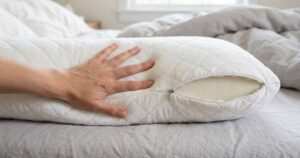
Type “memory foam body pillow” into a shop and you would think the category is simple: long pillows, filled with…
Most Useful Right Now

A standard pillow is 20×26 inches. A super standard is 20×28 inches. The difference is two inches of length. Both…

By week 28, turning over in bed becomes difficult: hips ache, regular pillows migrate out from between knees, and lying…

The queen-vs-king pillow debate usually gets framed as a size preference. It’s actually just a length question: queen is 30…

A standard 20×54-inch body pillow fits most adult side sleepers from chin to mid-shin. What almost no one mentions is…