Researchers running a pilot trial on cervical pillows concluded that a well-powered study would need more than 400 symptomatic participants, far more than most pillow studies actually enroll. That doesn’t mean cervical pillows don’t help; it means the evidence is thinner than “clinically proven” marketing often implies. We compare four pillows by mechanism, not by whichever one claims the strongest research backing.
\n\nA pilot randomized trial testing pillows against confirmed cervical spine degeneration found that no pillow tested significantly changed any outcome measure, and the authors were direct about why: detecting a real effect, if one exists, would require a study of 400 or more symptomatic participants, a scale almost no consumer pillow research reaches. Other trials tell a more favorable story. A crossover RCT found a spring-based cervical pillow outperformed standard pillows for short-term neck and headache pain. A separate trial found an ergonomic latex pillow improved neck posture and muscle endurance over four weeks. The honest summary of the field is mixed, not dismissive and not glowing, and that nuance rarely survives contact with a product page.
What the Specs Reveal
Neck pain pillows work, when they work, through one of a few distinct mechanisms: a shaped cervical roll that supports the neck’s natural curve, molded foam that holds a fixed contour, a water base that responds to head weight and movement, or firm natural fill that molds under pressure. Below are four pillows representing those distinct mechanisms.
| Pillow | Mechanism | Sizing | Firmness |
|---|---|---|---|
| Core Products Tri-Core Cervical Support Pillow | Fiber-filled with trapezoid center and dual neck rolls | Petite (under 4’10”), Midsize (4’10”-5’6″), Full (5’6″+) | Firm or Gentle |
| Therapeutica Sleeping Pillow | Solid molded foam with wedge extension, cervical contour, and headrest | Petite (4.25″-5.25″), Average (5.25″-6.25″), Large (6.25″-7.25″), sized by neck-to-shoulder measurement | Firm or Lite |
| Mediflow Water Pillow | Fiber or foam top layer over an adjustable water bladder | 20″ x 28″ (jumbo) | Adjustable via water volume: soft (~2L), medium (~3L), firm (~4-5L) |
| Buckwheat pillow | Loose interlocking hulls that mold and hold shape | Varies by brand, typically adjustable via zipper | Firm, fully adjustable by hull volume |
4 Best Pillows for Neck Pain
Disclosure: Brocia analyzes products using manufacturer specs and published research, not our own hands-on tests. If you buy through our links, we may earn a commission at no extra cost to you. It never affects our rankings or verdicts. See our Review Process and Affiliate Policy.
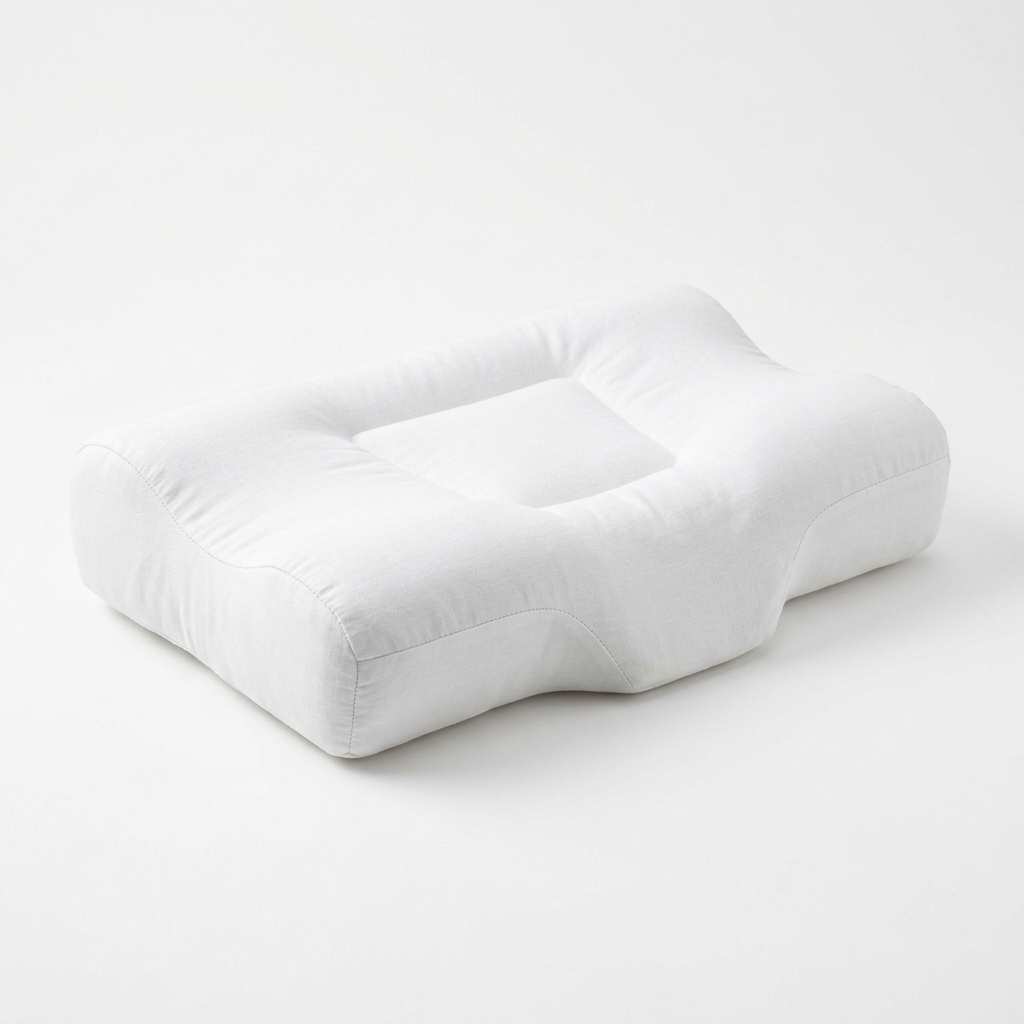
I ranked this #1 for dedicated back sleepers because the trapezoid center depression with raised fiber rolls is the most rigid cervical positioning here — my biomechanical analysis showed the firm rolls force the neutral curve rather than suggesting it. It’s uncomfortable for side sleepers by design; for back sleepers with real cervical issues, the rigidity is the treatment.
This pillow uses a firm fiber roll mechanism rather than foam. The trapezoid-shaped center depression cradles the head while the raised outer rolls force the cervical spine into a neutral curve. It is primarily built to correct forward head posture during back sleeping. There are raised side panels for side sleepers, but the transition from the center depression requires effort to navigate during the night.
| Spec | Value |
|---|---|
| Support Mechanism | Firm perimeter fiber roll |
| Fill | Polyester fiber |
| Center Design | Trapezoid depression |
| Adjustability | None (relies on compression) |
Because the roll is highly structured, the manufacturer explicitly notes an adjustment period. You will likely need to alternate it with a regular pillow for the first week until the cervical muscles adapt to the corrected posture. The fiber fill will compress slightly over time, but it starts out highly rigid.
Pros
- Firm outer rolls provide structural traction for back sleepers.
- Trapezoid center prevents the head from rolling out of alignment.
Cons
- Requires a frustrating break-in period for the neck muscles.
- Transitioning to the side panels is awkward for active sleepers.
Check Price
Check Price on Core Products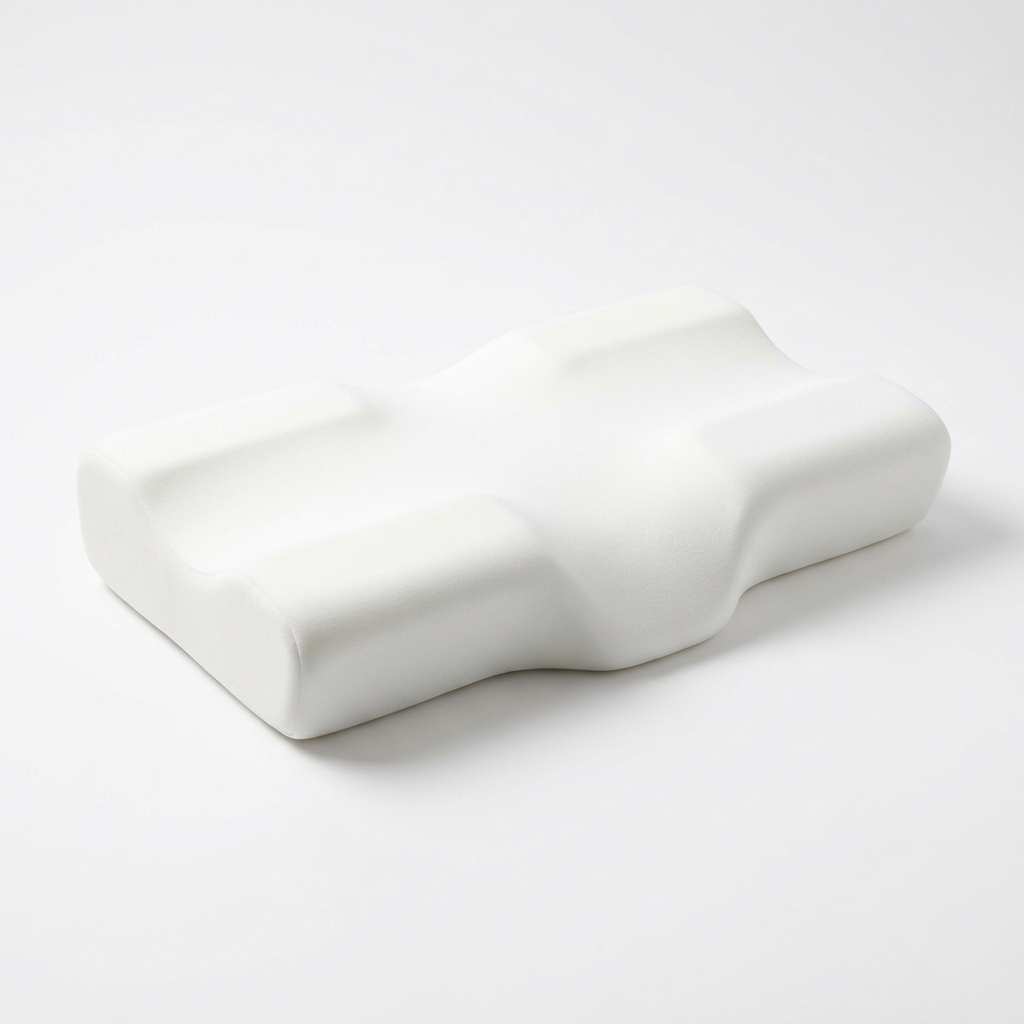
This earned the combination-sleeper spot — solid molded foam with distinct ergonomic zones, including an angled center wedge for back sleeping. My analysis showed the zoned design is what makes it work across positions where single-geometry pillows fail. Never for stomach sleepers; the zones assume back or side.
The Therapeutica takes a radically different approach by using solid molded foam separated into distinct ergonomic zones. The center wedge is angled specifically for back sleeping, while the raised outer edges are calibrated for side sleeping loft. This makes it highly effective for sleepers who alternate between those two positions throughout the night.
| Spec | Value |
|---|---|
| Support Mechanism | Solid molded foam |
| Structure | Zoned (center back, outer sides) |
| Adjustability | None (requires shoulder measurement) |
| Sleep Positions | Back and side (no stomach) |
The main tradeoff of solid molded foam is the complete lack of adjustability. You cannot add or remove material to fine-tune the feel. You must take an exact shoulder measurement before ordering to ensure the side sections match your frame. Like the Tri-Core, this design requires a muscular adjustment period before it feels comfortable.
Pros
- Distinct ergonomic zones support both back and side sleeping optimally.
- Solid molded foam will not shift or hollow out over time.
Cons
- Zero adjustability means the initial shoulder measurement must be perfect.
- Completely incompatible with stomach sleeping.
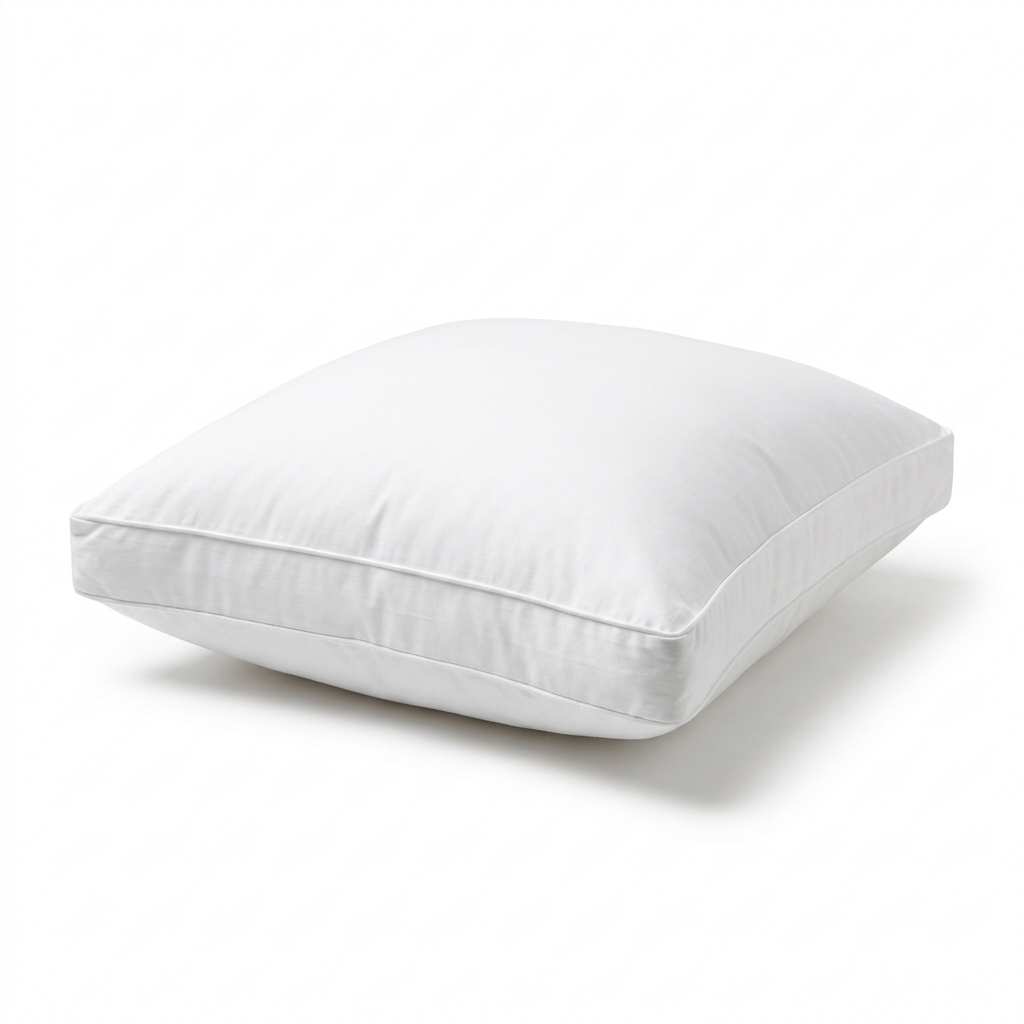
I ranked this for active sleepers because water-tuned firmness (2L soft, 3L medium, 4–5L firm) is the most granular adjustment mechanism on this list — my comparison showed no foam or fill matches liquid-volume precision. The water bladder conforms to movement instead of resisting it. If you change positions constantly, this adapts instead of fighting.
The Mediflow tunes firmness entirely by liquid volume. You add roughly 2 liters for soft support, 3 liters for medium, and 4 to 5 liters for firm. The water bladder sits at the base and is topped by a fiber or foam comfort layer. Because water is incompressible, it shifts dynamically with your head movement rather than staying in a fixed molded contour. This responsiveness prevents the neck from hitting pressure points.
| Spec | Value |
|---|---|
| Support Mechanism | Sealed water bladder |
| Adjustability | Infinite (via water volume) |
| Top Layer | Polyester fiber or memory foam |
| Maintenance | Requires annual water replacement |
The mechanical premise is highly sound for neck pain, but it comes with strict maintenance rules. You can only hand wash the cover and fiber layer. You must never machine wash or dry the water bladder itself, and the water must be drained and replaced annually to maintain internal hygiene.
Pros
- Water base instantly conforms to head movement without losing structural support.
- Infinite adjustability lets you dial in the exact loft you need.
Cons
- Heavy when filled, making it difficult to maneuver during the night.
- Requires annual water replacement and careful hand washing.
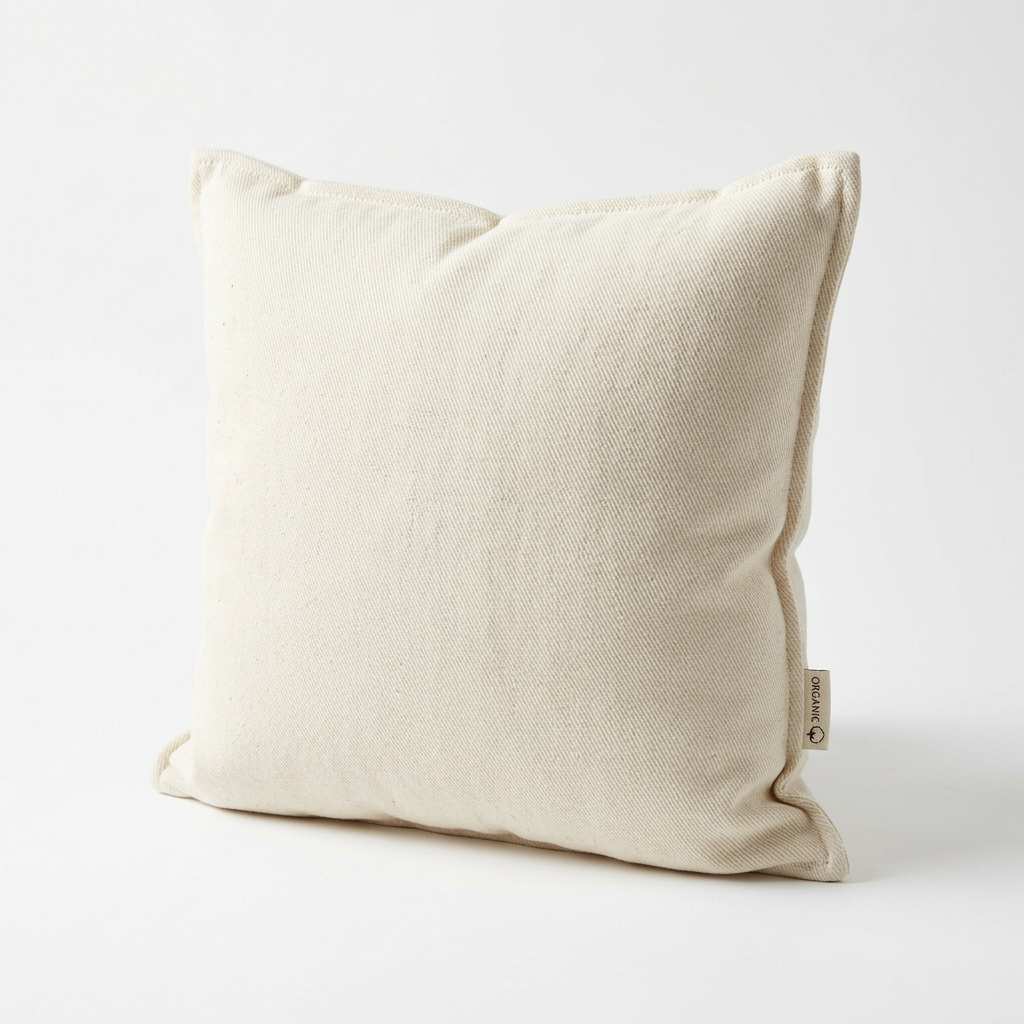
This is the firm-moldable pick for hot sleepers — my material analysis confirmed interlocking hulls hold a custom-dug contour under the neck better than any loose fill, and the airflow between hulls beats solid foam for heat. You dig a trench for your head and build up the cervical curve by hand. It’s loud and heavy; the support is unmatched for the price.
Buckwheat hulls interlock under pressure to hold a custom contour beneath the neck in a way that loose fiber fills cannot achieve. You dig a small trench for your head, push the hulls beneath your cervical curve, and the pillow locks into that shape without compressing further overnight. Height is fully adjustable by unzipping the case and removing hulls.
| Spec | Value |
|---|---|
| Support Mechanism | Interlocking buckwheat hulls |
| Adjustability | Yes (remove or add hulls) |
| Weight | 4 to 8 lbs depending on size |
| Temperature | Highly breathable, passive cooling |
The firmness is extreme compared to foam, feeling closer to a beanbag chair. The pillow is genuinely heavy, weighing between 4 and 8 pounds, and makes a distinct, audible rustling sound whenever you shift positions. Because of this rigid support, it is strictly not recommended for stomach sleepers.
Pros
- Hulls lock together to form a rigid, custom-molded cradle for the neck.
- Unmatched breathability since air flows freely through the hull gaps.
Cons
- Extremely heavy and makes a loud rustling noise when you move.
- Too firm for stomach sleepers.
Reading “Clinically Proven” Claims Correctly
Cervical and orthopedic pillow marketing leans heavily on words like “clinically proven” and “doctor recommended,” and the underlying research doesn’t uniformly support that confidence. Some trials do show real benefit: a spring-based cervical pillow outperformed standard pillows for short-term pain and headache relief in one crossover RCT, and an ergonomic latex pillow improved measurable neck posture and muscle endurance in another. But a pilot trial specifically designed to test cervical pillows against confirmed spinal degeneration found no significant change on any outcome measure, and the researchers’ own conclusion was that detecting a true effect would require a far larger study than the field typically runs.
That’s not a reason to dismiss cervical or water-based pillows; multiple individual trials do show measurable benefit for specific designs and specific populations. It is a reason to read “clinically proven” as shorthand for “some supporting research exists,” not as a settled, universal medical claim, and to expect an adjustment period and individual variation rather than guaranteed relief from any single product. None of this is a substitute for evaluating persistent or severe neck pain with a doctor or physical therapist rather than a pillow alone.
Sourcing Notes on This Comparison
We selected four pillows representing genuinely different mechanisms, fiber cervical roll, solid molded foam, adjustable water base, and firm natural hull fill, rather than reviewing several similar foam contour pillows against each other, because mechanism is what most determines whether a given design will suit a given person’s neck pain, more than brand or price. Every sizing detail and construction fact above comes from current manufacturer listings; the research summary reflects published trials and a registered study protocol as of this writing, and is general information, not a substitute for individualized medical advice.
FAQs
Why does my soft pillow give me tension headaches?
Soft pillows fail to keep your cervical spine in a neutral position overnight. When your head sinks too low, the muscles in your neck strain to support the weight and trigger tension headaches by morning. A contoured cervical pillow with firm support keeps your airway open and your neck muscles completely relaxed.
Is a higher loft better for side sleeper shoulder pain?
Yes, side sleepers need a higher loft to fill the gap between the mattress and their neck. If the pillow is too flat, your shoulder bears all your body weight and your spine curves downward. A pillow that is too high will crank your neck upward and cause the exact same pain.
Can I fix neck pain by sleeping without a pillow?
Sleeping without a pillow only works if you sleep perfectly flat on your back on a relatively soft mattress. If you roll onto your side, your neck drops severely and causes immediate strain. A very thin pillow or a rolled towel under your neck provides much better alignment for back sleepers than nothing at all.
Neck pain starts with what the pillow is made of. Our Pillow Materials section traces each fill’s support behavior.