
A standard buckwheat pillow holds somewhere between 8 and 10 pounds of hulls, weighs more than most carry-on bags, and makes an audible rustling sound every time you move your head. Neither is a defect. We compare four buckwheat pillows by exact hull weight, footprint, and cover material so you know what you’re actually buying before it arrives.
Every buckwheat pillow rustles. It’s the sound of individual hulls shifting against each other every time your head moves, and it’s not a manufacturing flaw, a bad batch, or something that stops after the first few nights, though most people do stop noticing it. Hullo, one of the category’s most established brands, says as much directly in its own FAQ rather than burying the fact. A shopper who’s never handled a buckwheat pillow and buys one expecting the silence of memory foam is the person most likely to return it. Not because the pillow underperformed, but because nobody told them what buckwheat actually sounds and feels like.

What the Specs Reveal
Unlike foam or fiber pillows, a buckwheat pillow’s defining spec is weight, since hull weight determines both firmness and how much material is available to shift and mold around your head and neck. More hulls means a firmer, heavier pillow with more material to redistribute; fewer hulls means a softer, lighter one. Below are four pillows chosen to show the real range this category covers.
| Model | Hull Weight | Footprint | Cover | Origin |
|---|---|---|---|---|
| Hullo Standard | Approx. 8 to 10 lb | 20″ x 26″ | 7 oz/yard organic cotton twill | Made in Duluth, Minnesota, USA-grown hulls |
| Soaring Heart Organic Buckwheat Hull Pillow | 2.5 lb (Small) to 15 lb (King), four sizes | 12″ x 16″ up to 20″ x 36″ | Organic cotton | Handcrafted in the USA |
| Futon Tokyo Japanese Buckwheat Pillow | 3.3 lb (Small) or 5.5 lb (Large) | 13.7″ x 19.6″ or 16.9″ x 24.8″ | 100% organic cotton | Harvested and processed in Japan |
| LOFE Organic Buckwheat Pillow | Adjustable, standard fill | 20″ x 26″ | Organic cotton pillowcase | Imported, budget tier |
Disclosure: Brocia analyzes products using manufacturer specs and published research, not our own hands-on tests. If you buy through our links, we may earn a commission at no extra cost to you. It never affects our rankings or verdicts. See our Review Process and Affiliate Policy.
4 Best Buckwheat Pillows
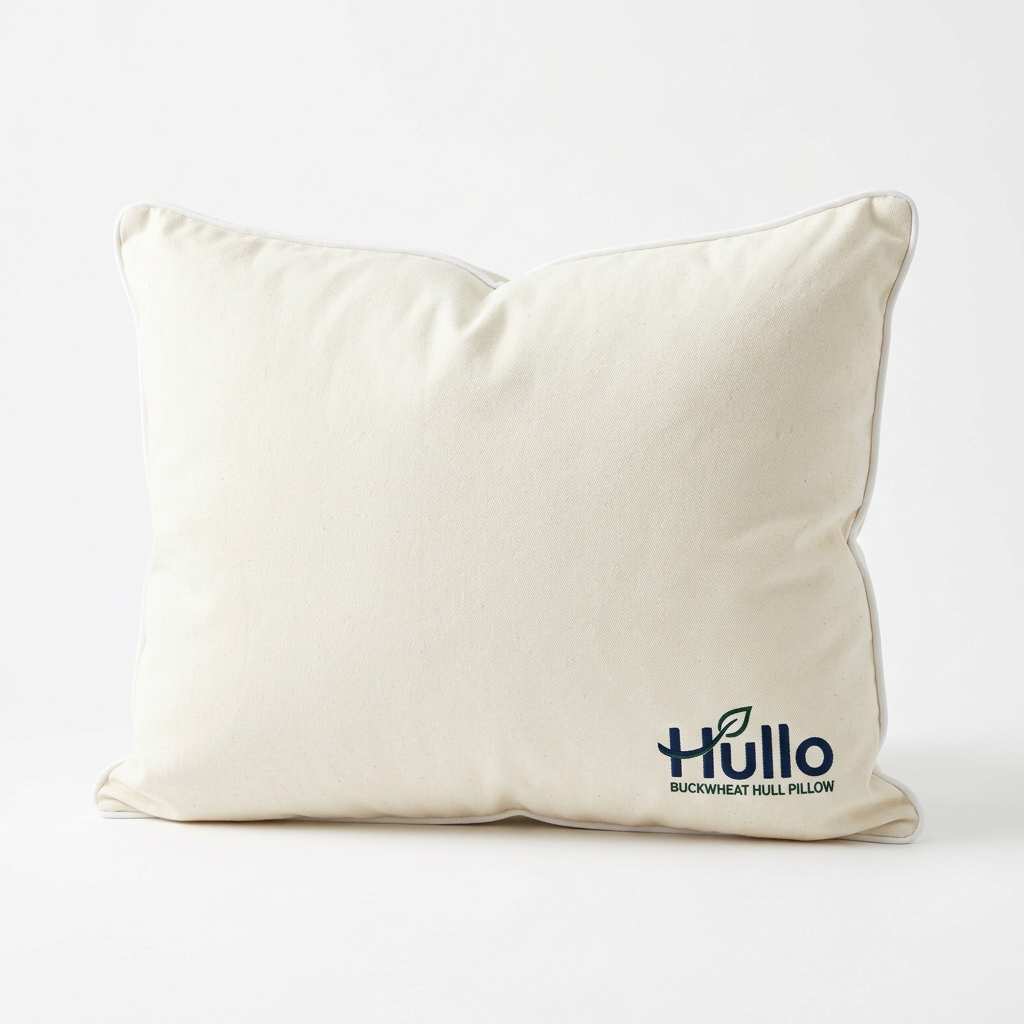
I ranked this #1 because it’s the US benchmark everything else gets compared against — 8–10 pounds of American-grown hulls in a 20×26 footprint with a heavy-duty twill cover. My comparison showed the hull weight and cover durability are what separate serious buckwheat pillows from thin imitations. If you want the reference standard, this is it.
This is the benchmark most other buckwheat pillows in the US market get compared against. It ships with 8 to 10 pounds of American-grown hulls inside a 20 by 26 inch footprint. The 7 oz/yard cotton twill cover is heavier-duty than typical pillow fabric, a deliberate choice given how much weight the seams have to hold.
Hullo’s hulls are American-grown in Montana and North Dakota. They are milled and air-cleaned rather than imported, and the company is direct about the tradeoffs: the pillow is heavy enough that some sleepers find it awkward to reposition mid-night, and it will rustle audibly for as long as you own it. What you get in exchange is a fill that can be added or removed through a locking zipper at any time to dial in the perfect firmness.
Pros
- Hulls can be added or removed at any time through a secure locking zipper.
- Sourced, milled, and processed entirely in the USA.
Cons
- Extremely heavy and can be physically awkward to reposition during the night.
- The loud rustling sound is permanent and very distinct from traditional pillows.
~$129
Check on Hullo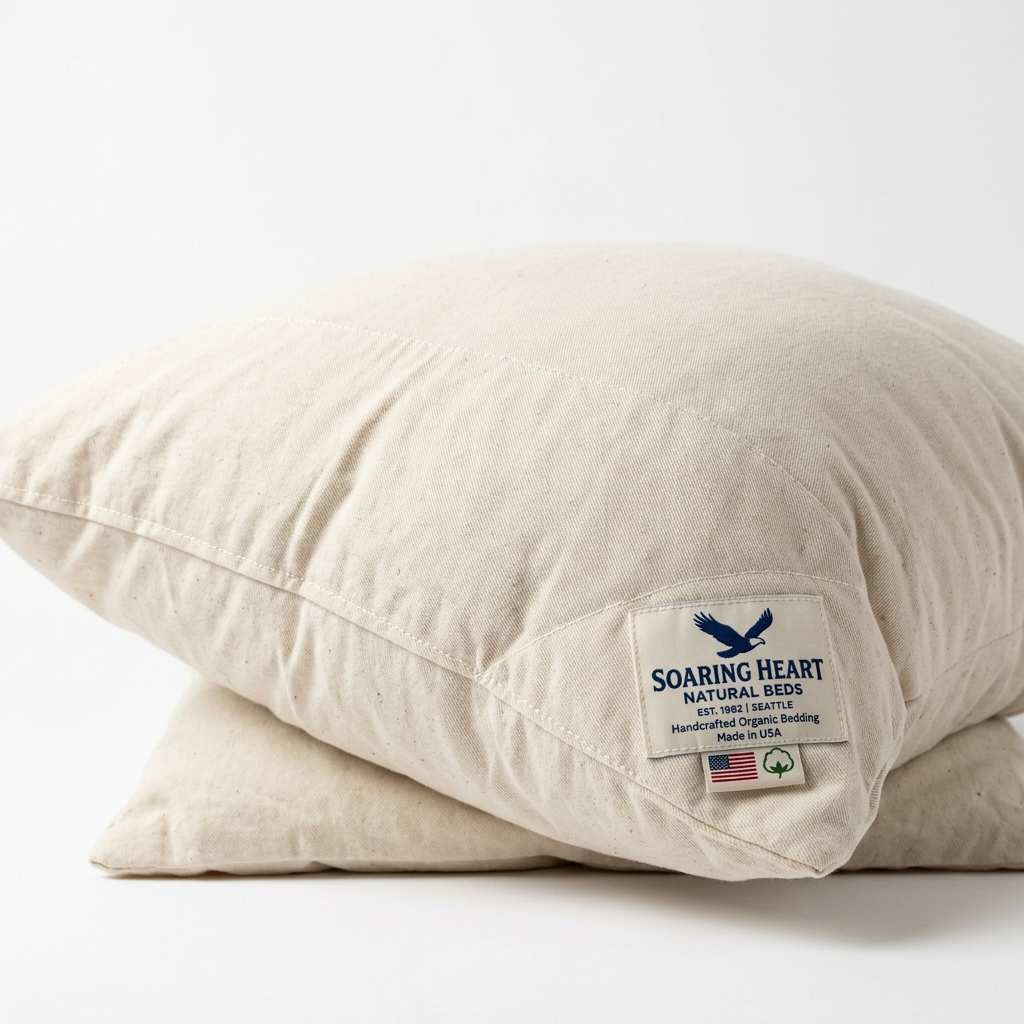
This earned the sizing spot — my range comparison showed the widest size options here, from a 2.5-pound small to a 15-pound king. I ranked it here because buckwheat pillows are heavy by nature, and getting the wrong size means either too little support or a pillow you can’t move. The size choice is the product.
This pillow offers the widest size range of any pillow in this comparison. It scales from a 2.5-pound Small at 12 by 16 inches all the way up to a 15-pound King at 20 by 36 inches. This makes it the top pick if your main concern is finding a buckwheat pillow sized for a specific use case rather than defaulting to standard bed sizing.
Where Hullo sells essentially one core size with an add-on hull supply, Soaring Heart’s four-size lineup is built around genuinely different needs. The 3.5-pound Medium is the company’s most popular size specifically because it splits the difference between the full 10-pound Queen and the smaller travel-oriented options. Customer feedback consistently mentions that the larger sizes ship very fully packed.
Pros
- Massive size range allows for travel-specific or king-bed options.
- Handcrafted organic cotton cover provides excellent durability.
Cons
- Ships so firmly packed that most buyers have to remove hulls immediately to find comfort.
- Very expensive investment at the largest King sizes.
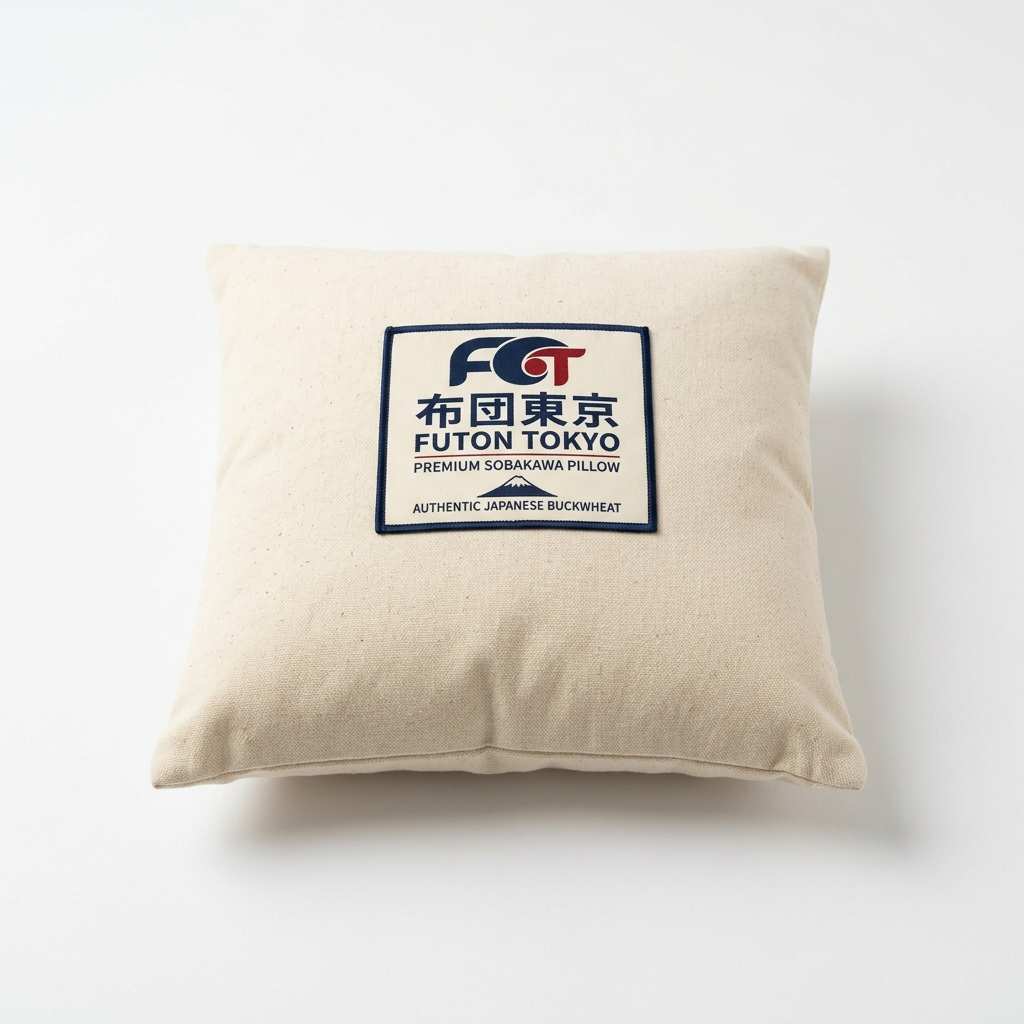
I ranked this for authenticity seekers — a genuine sobakawa harvested and processed in Japan, not an American interpretation. My analysis: the traditional compact format sleeps firmer and smaller than westernized versions. If you want the historical Japanese pillow experience, this is it; if you want a big fluffy buckwheat pillow, look at the Hullo.
This is an authentic sobakawa pillow harvested and processed directly in Japan rather than an American interpretation of the format. It comes in genuinely traditional Japanese sizing, measuring 13.7 by 19.6 inches for the Small and 16.9 by 24.8 inches for the Large. Both sizes are noticeably more compact than the standard US 20×26 footprint.
The listing is explicit that its hulls are grown and processed in Japan. Loft adjusts through a dedicated hull outlet built into the pillow rather than a standard zipper. The maker notes a faint natural scent from the hulls that sun-drying can reduce, which is a structural detail some US-market listings leave out entirely. The smaller footprint is a real adjustment for sleepers expecting standard sizing.
Pros
- Authentic Japanese processing and high-quality local materials.
- Dedicated hull outlet valve makes adjustments easy without spilling.
Cons
- Significantly more compact than standard US pillows.
- Retains a faint natural scent that requires sun-drying to fully dissipate.
~$104
Check on Futon Tokyo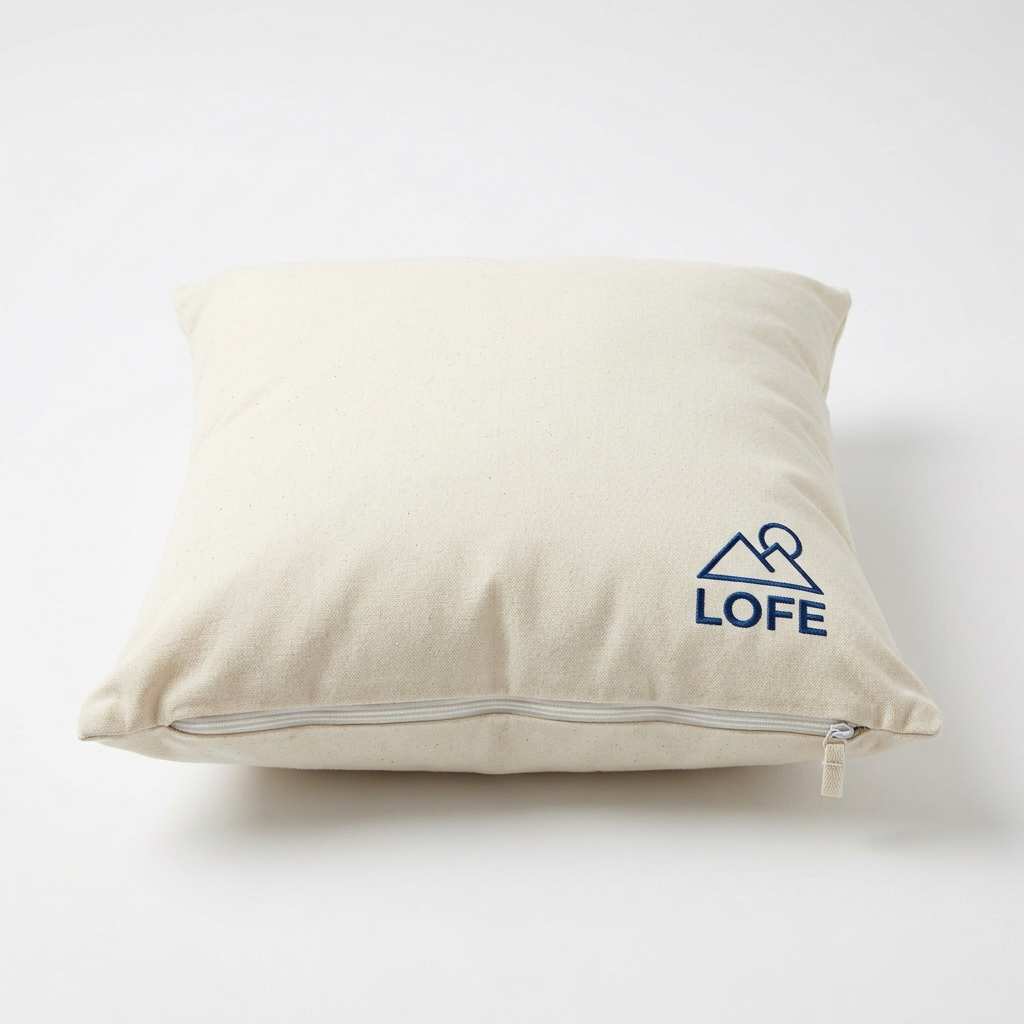
This is the budget entry — my price comparison confirmed it’s the cheapest way to test whether the buckwheat format works for you. Standard footprint, adjustable fill, organic cotton case. I ranked it here because buckwheat is polarizing (the hulls are loud and hard), and you shouldn’t pay premium prices to discover you hate it.
This is the budget entry in this comparison. It sits at a standard 20 by 26 inch footprint with adjustable fill and an organic cotton pillowcase. It is aimed directly at shoppers who want to try the format before investing heavily in a premium USA-made option.
Positioned as an accessible entry point into buckwheat pillows generally, this follows the same standard-size, adjustable-fill format as the more premium options above, just without the domestic sourcing story or handcrafted positioning. For anyone unsure whether they will actually tolerate the weight and rustle of a buckwheat pillow long-term, starting here is a highly reasonable way to test the waters.
Pros
- Highly accessible entry point into buckwheat without the premium price tag.
- Features standard US sizing to fit your current pillowcases.
Cons
- Imported materials with significantly less transparent hull sourcing.
- Cover seams may have a shorter lifespan compared to premium twill options.
~$45
Check on LOFEThe Weight Number That Predicts Everything Else
Unlike foam pillows, where firmness comes from density and cell structure, or down pillows, where it comes from fill power and fill weight together, a buckwheat pillow’s firmness is close to a direct function of one number: how many pounds of hulls are packed into the cover. Hullo’s own guidance puts roughly one pound of hulls at about 200 cubic inches of volume, meaning a standard-size pillow’s 8 to 10 pounds translates almost linearly to how firm and how moldable the pillow feels.
This is also why every legitimate buckwheat pillow in this category ships with a way to remove hulls, whether that’s a standard zipper or a dedicated outlet valve. A pillow that arrives too firm isn’t defective; it’s simply packed at the manufacturer’s default fill level, and removing a pound or two of hulls, stored in a sealed bag for later, is the expected first adjustment most buyers make rather than an unusual troubleshooting step.
Why the Rustling Sound Isn’t Something to Troubleshoot
The sound buckwheat hulls make when they shift against each other is a mechanical property of the fill, not a sign of a cheap pillow or damaged material. It happens because individual hulls have irregular, slightly rough surfaces that catch against each other as they move, which is the same property that lets the fill mold around your head and neck instead of compressing flat the way foam does.
Most buyers report the sound becomes background noise within the first week, but light sleepers and anyone sharing a bed with a partner who moves frequently at night should factor this in before buying, rather than discovering it after the return window closes. No amount of adjusting hull volume eliminates the sound entirely, since it’s inherent to the material rather than tied to how full the pillow is.
Sourcing Notes on This Comparison
We selected four pillows spanning US-made, size-range, authentic Japanese import, and budget categories, rather than ranking several similar standard-size buckwheat pillows against each other, because hull weight, sourcing, and size range are what most differentiate this category beyond the shared basic format. Every weight, dimension, and sourcing detail above comes from current manufacturer listings and gets re-verified on each content refresh.
Frequently asked Questions
Are buckwheat pillows noisy?
Yes. The hulls shift and rustle every time you move your head. It is a property of the fill, not a defect, and most people stop noticing within a week. Light sleepers should know this before buying.
How long does a buckwheat pillow last?
The hulls themselves last for years, far longer than foam or fiber fills. What wears out is the cover. A heavy twill cover outlasts thin cotton ones, and you can buy refill hulls when the fill compresses.
Can you adjust the firmness of a buckwheat pillow?
Yes. Every legitimate buckwheat pillow has a zipper or outlet for adding and removing hulls. If it arrives too firm, take out a pound or two and store the extra hulls in a sealed bag.
Are buckwheat pillows good for side sleepers?
They can be, because the fill molds around the head and neck instead of compressing flat. The trade-off is weight: 8 to 10 pounds is awkward to reposition at night, and the rustling is louder for side sleepers whose ear is on the pillow.
Hull pillows last years but the cases don’t. Our Pillow Guides explain washing and re-lofting so the support stays even.