
Most people shopping for a cervical pillow focus on the central cradle, the recessed area where the head rests. That is the wrong feature to evaluate first. The functional element of a cervical pillow for a back sleeper is the neck roll: the raised ridge at the lower edge that supports the cervical lordosis, the natural inward curve of the neck between the skull and the thoracic vertebrae. A 2021 systematic review in Healthcare (PMC, PMID 34683013) reviewing pillow height studies from 1997 to 2021 identified approximately 7-10 cm as optimal for supine sleeping to maintain cervical lordosis. That target is the neck roll height, not the overall pillow height. A pillow with a 5-inch stated loft and a 1-inch neck roll delivers far less cervical support than a pillow with a 4-inch stated loft and a proper 3-4 inch neck roll.
This is the spec the five picks below are ranked against. If you are transitioning to back sleeping and need the full positional setup, that guide covers the three-piece pillow system in detail. The broader back sleeper pillow category covers all fill types; this article focuses specifically on contoured cervical designs. The orthopedic pillow category provides additional context on clinical pillow evidence.
If you have a diagnosed cervical condition, radiculopathy, or persistent neck pain that has not improved with general pillow changes, consult a physiotherapist or physician before selecting a pillow based on commercial guides alone.
Why Back Sleepers Need a Different Cervical Pillow Than Side Sleepers
In the supine position, the cervical spine’s job is to maintain its natural lordosis, a gentle forward curve, while the surrounding muscles relax. The pillow’s job is to fill the gap between the occiput (the back of the skull) and the mattress surface without pushing the head so far forward that the lordosis reverses into flexion.
A side sleeper needs a pillow tall enough to fill the shoulder-to-head gap, which is a fundamentally different geometric task. A side sleeper’s cervical pillow works by elevation. A back sleeper’s cervical pillow works by curve support. This means the ideal back sleeper cervical pillow has a lower overall height than a side sleeper pillow, a raised neck roll that fills the lordotic space, and a relatively shallow head cradle that allows the occiput to sit without being pushed into neck flexion.
A 2020 randomized controlled trial published in PMC found that ergonomic latex pillows improved craniovertebral angle by 4 degrees and increased cervical extensor muscle endurance by 91 seconds versus 14 seconds in the control group over a study period. The mechanism: the correct pillow height and shape reduce the sustained isometric load on cervical muscles that occurs when the neck is unsupported or mis-supported overnight.
The adjustment period for a cervical pillow is real. Muscles that have been compensating for years of poor pillow geometry need 1-2 weeks to adapt to correct alignment. Mild soreness or unfamiliarity during the first week is expected. Continued pain past 3 weeks signals the pillow geometry does not match your anatomy, try a different loft or design, not a different brand of the same design.
The Spec Framework Used to Rank These Picks
Every pick below is evaluated against four disclosed manufacturer specs, not adjective-based comfort claims:
| Spec | Why It Matters for Back Sleepers |
|---|---|
| Neck roll height | The functional support element, target 7-10 cm (roughly 3-4 inches) |
| Head cradle depth | Shallower is typically better for back sleepers, head should not be pushed forward |
| Fill type and density | Determines whether the pillow holds its geometry under head weight across the night |
| Loft adjustability | Allows calibration to individual neck length and mattress firmness |
The 5 best Picks for Back Sleepers
Disclosure: Brocia analyzes products using manufacturer specs and published research, not our own hands-on tests. If you buy through our links, we may earn a commission at no extra cost to you. It never affects our rankings or verdicts. See our Review Process and Affiliate Policy.
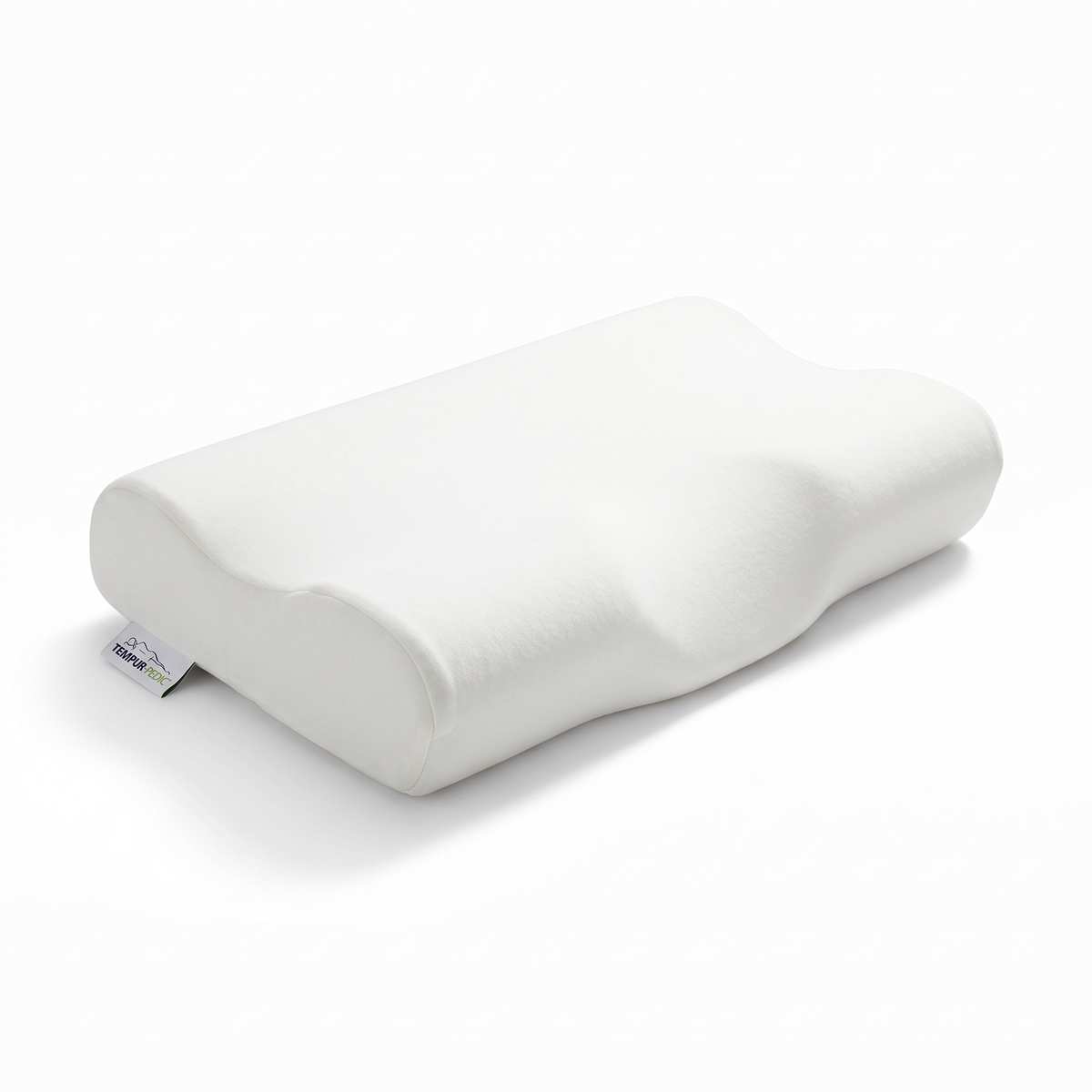
1. TEMPUR-Neck Pillow
✓ Spec-verified
Pros
- Single piece of solid TEMPUR-Material resists progressive softening.
- Neck roll stays effective through the full night rather than collapsing.
Cons
- Fixed contour provides no shoulder cutout for side sleeping.
- Requires matching the correct size to your neck length.
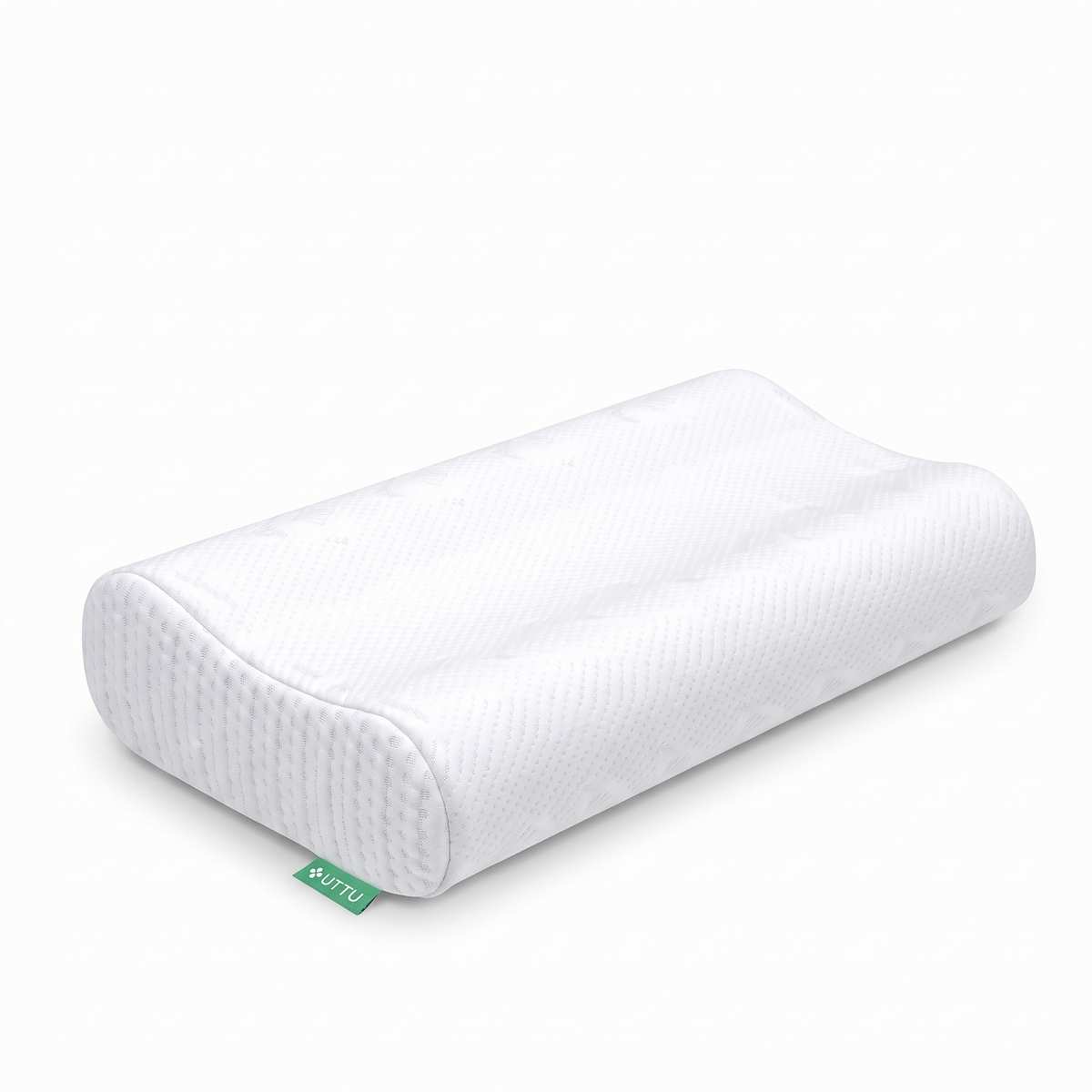
Pros
- Sandwich construction provides four distinct loft combinations.
- Maintains firmness in cold conditions.
Cons
- Removable layer can shift if not zipped back cleanly.
~$40
Check on Amazon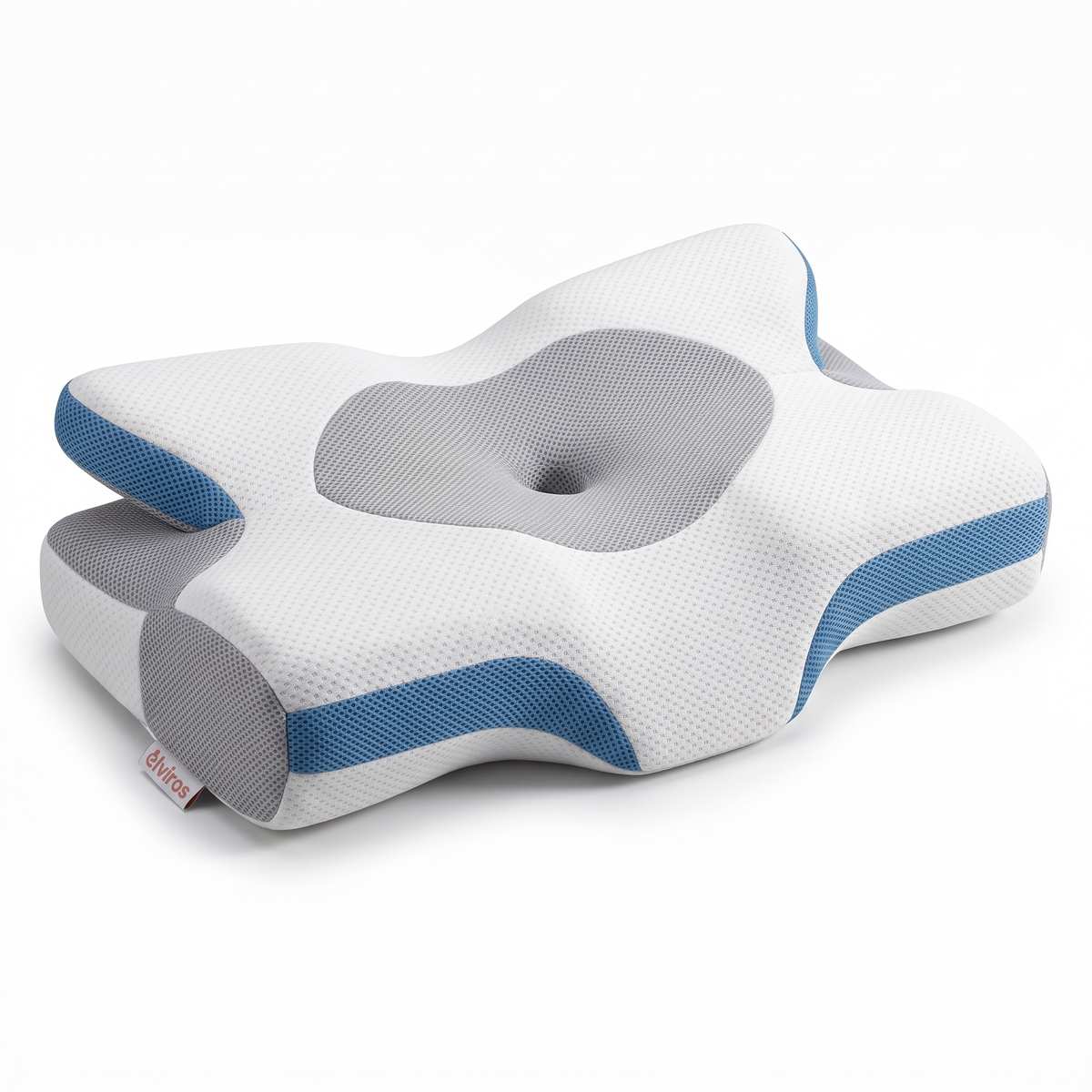
Pros
- Butterfly design provides shoulder clearance when rolling to side.
- Two heights available via 180-degree rotation.
Cons
- Wings extend beyond standard footprint and may shift for active movers.
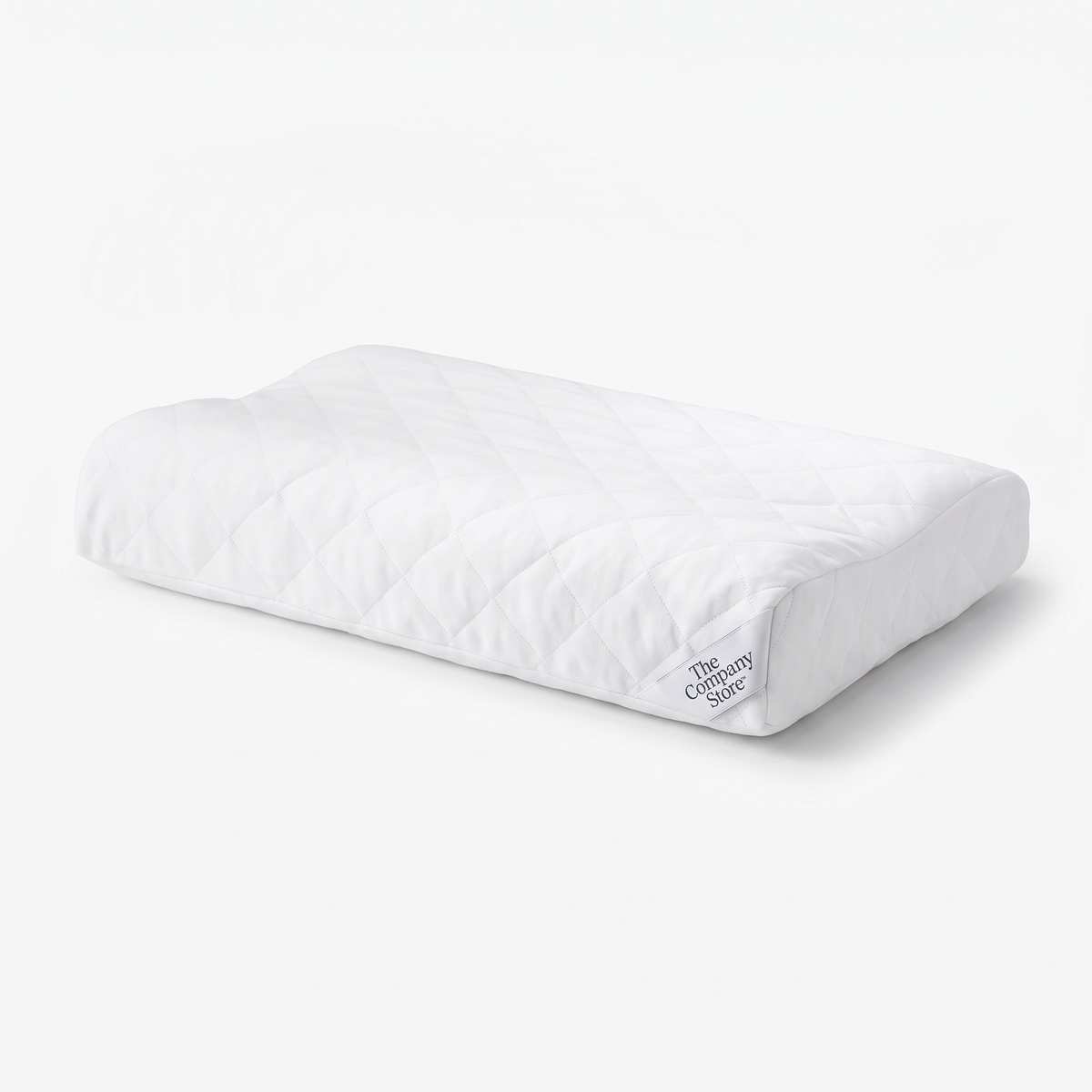
Pros
- Latex compresses and immediately rebounds so neck roll springs back.
- Open-cell structure is significantly more breathable than memory foam.
Cons
- Fixed geometry with no adjustability.
- Requires a genuine 1 to 2 week break-in period.
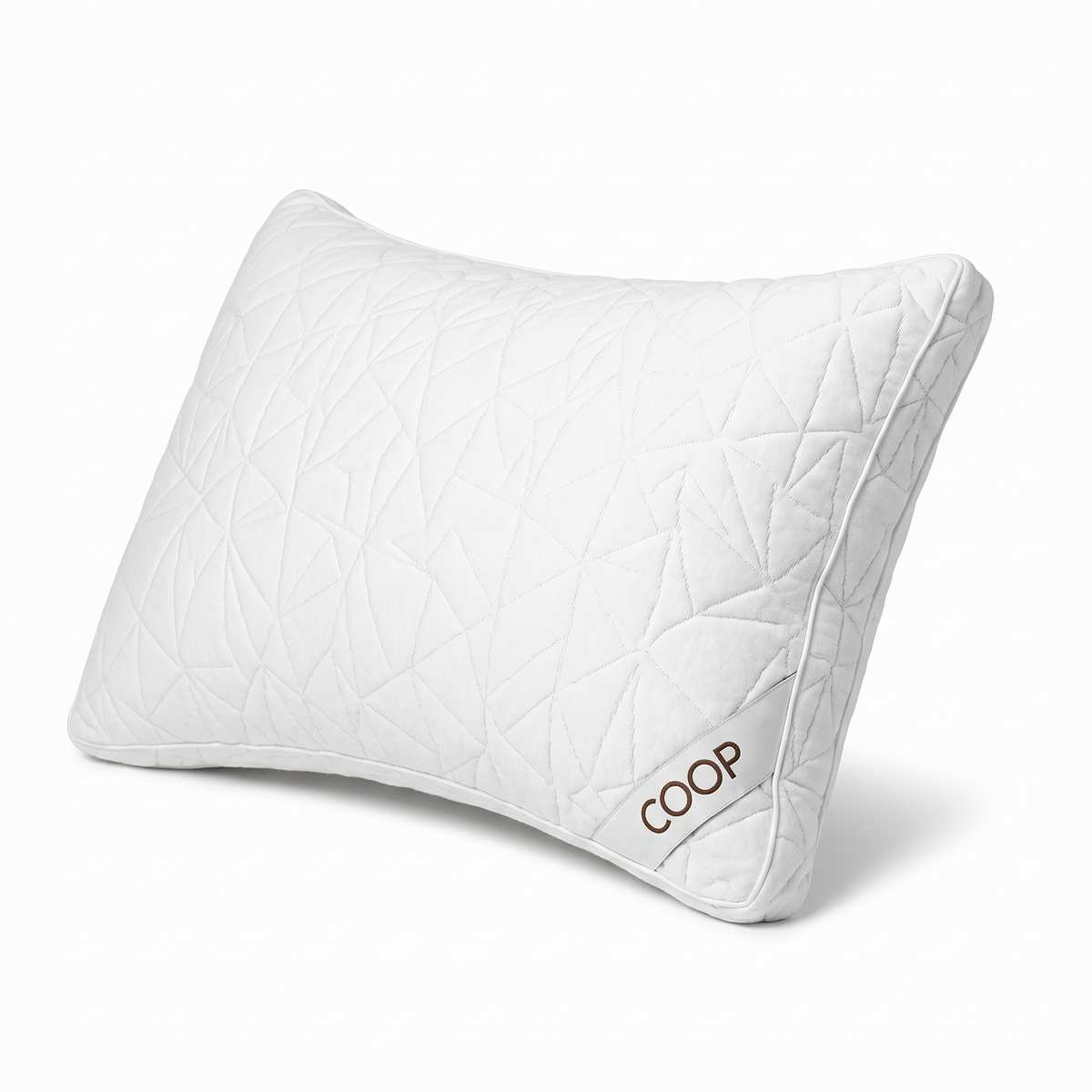
Pros
- Highly flexible adjustable fill allows custom loft tuning.
- Remains soft enough to allow natural head positioning.
Cons
- Absence of a structured neck roll.
- Fill distributes to head shape rather than maintaining cervical curve.
~$96
Check on CoopThe Contrarian Point: The Break-In Period Is Not a Marketing Myth
Every guide in this category, including manufacturer pages, mentions a break-in period for cervical pillows. The standard framing is “give it two weeks before deciding.” This is accurate, but the mechanism is worth naming directly.
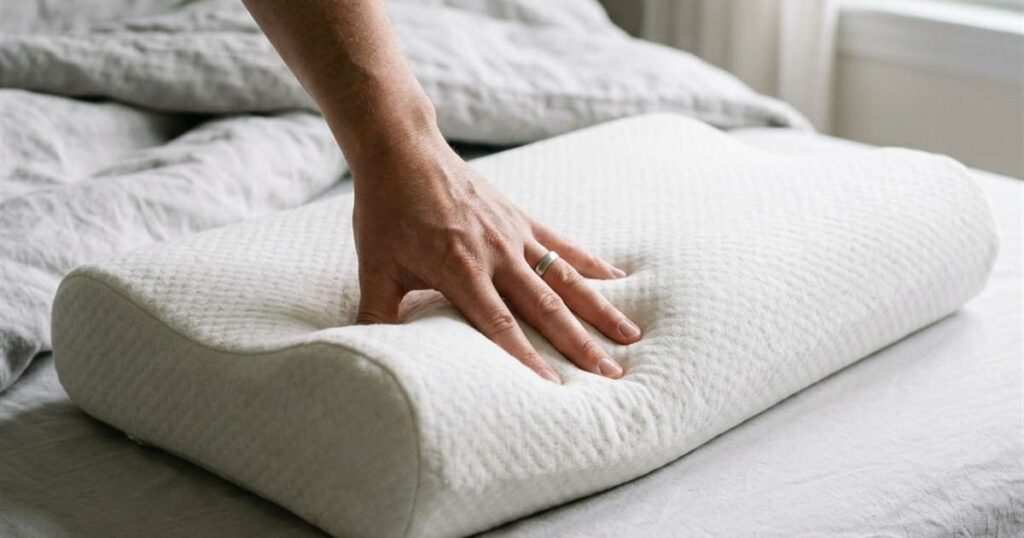
When a cervical pillow is new, the foam is at maximum density. Under your head weight and body heat, the foam slowly softens and begins conforming to your specific skull and neck geometry. During that settling period, the neck roll may feel too firm, the head cradle too shallow, or the overall height wrong. Most of those sensations resolve as the foam breaks in to your individual geometry. A study published in the Journal of Physical Therapy Science (PMC, 2023) collected pillow pain data at baseline, 2 weeks, and 3 months. The 2-week measurement already showed significant improvement in NRS neck pain scores, with further improvement by 3 months.
The practical instruction: if a pillow feels wrong on night one, do not return it. Evaluate at two weeks. If it still feels wrong after two weeks of consistent use, not just uncomfortable, but clearly producing pain rather than reducing it, then the geometry is wrong for your anatomy, not the pillow category.
Spec Comparison at a Glance
| Pillow | Neck Roll Height | Fill | Adjustable | Best Position Match | Certifications |
|---|---|---|---|---|---|
| TEMPUR-Neck (Medium) | 4 in (fixed) | Solid TEMPUR-Material | No | Pure back | – |
| UTTU Sandwich | 3.5-4.7 in (4 configs) | Proprietary memory foam | Yes, removable layer | Back; limited combo | CertiPUR-US, OEKO-TEX |
| Elviros Butterfly | 4.1-4.9 in (2 heights) | High-density slow-rebound foam | Partial, 2 heights | Back + side combo | CertiPUR-US, OEKO-TEX |
| Company Store Latex | Fixed contour | Solid natural latex | No | Pure back | Natural latex |
| Coop Eden (adjusted) | ~3-4 in (fill removed) | Shredded foam + microfiber | Yes, fill removal | Back (transitional) | CertiPUR-US + GREENGUARD Gold |
Frequently Asked Questions
How does a cervical pillow help back sleepers?
The raised neck roll fills the gap between the skull and the mattress surface in the supine position, supporting the cervical lordosis. The natural forward curve of the neck. Without this support, the neck muscles maintain the curve isometrically through the night, producing the muscular fatigue and morning stiffness that most back-sleeper neck pain stems from.
Should a cervical pillow be hard or soft?
Dense enough to push back. A cervical pillow that compresses flat under head weight provides no structural support. It becomes a standard pillow with a contoured shape. The functional requirement is that the neck roll maintains its height under sustained head and neck weight across 7-8 hours. Solid high-density memory foam (TEMPUR-Material) and natural latex both meet this requirement. Shredded fill does not provide the same geometry stability, which is why the Coop Eden is categorized here as a transitional option rather than a therapeutic one.
How long does neck pain last after starting a cervical pillow?
Mild transitional soreness typically resolves within 3-5 days as muscles adapt to new alignment. A 1-2 week full adaptation period is normal before sustained benefit is apparent. Pain that persists or worsens past 3 weeks signals a geometry mismatch. Try a different loft setting or pillow shape. Persistent or radiating neck pain requires physician assessment.
What if I toss and turn on my back?
The Elviros butterfly design is the most position-tolerant option for back sleepers who move during the night. Its wings accommodate lateral rotation without creating the shoulder-impingement penalty that standard rectangular cervical pillows produce.
Are butterfly-shaped cervical pillows actually good for back sleepers?
Butterfly-shaped memory foam pillows excel at supporting back sleepers. The central indentation cradles your head while the raised bottom edge fills the gap beneath your cervical spine. This geometry prevents your chin from dropping toward your chest. Just ensure the raised edge matches your specific neck length.
Cervical pillows lose their cradle shape faster than flat ones. Our Pillow Guides show how to check whether yours still supports you.