Sleep Tracking
Pillow sizes, loft numbers, sleep logs, and alignment checks. The measurements and tracking tools that turn guessing into knowing.

The weighted blanket most worth buying for most adults is the Bearaby Cotton Weighted Blanket, which scored 9.2 out of...

The standard body pillow is 20 by 54 inches. That number is real, and it is also where most buying...

A standard pillow is 20×26 inches. A super standard is 20×28 inches. The difference is two inches of length. Both...
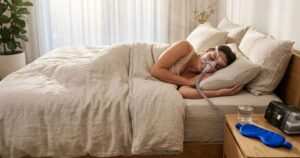
Side sleeping is the position most sleep clinicians recommend for people with obstructive sleep apnea (OSA). Gravity keeps soft palate...

If you have diagnosed sleep apnea, snoring that disrupts sleep quality significantly, or suspect obstructive sleep apnea, consult a physician...

A wedge pillow works on one principle: gravity. Elevate the torso 30 to 45 degrees and stomach acid has to...

If you have a diagnosed cervical condition, spondylosis, disc herniation, nerve impingement, or post-surgical recovery, consult a clinician before changing...
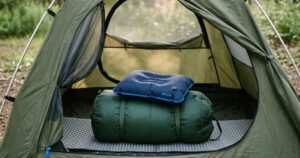
Weight is the most-cited spec in camping pillow reviews and also one of the least useful. A 1.95-ounce inflatable and...

There is no universally safe pillow loft. Stomach sleepers need roughly 2 to 3 inches, back sleepers need 3 to...
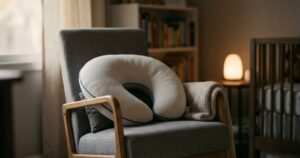
Before comparing nursing pillows, know the one rule that matters most: they are not for sleep. The U.S. Consumer Product...

The best wedge pillow here depends on your use case. For confirmed nighttime reflux, the MedCline Reflux Relief System is...
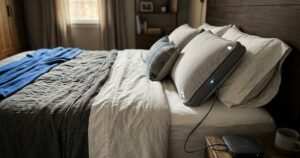
Smart pillow gets applied to three genuinely different technologies: AI-driven anti-snore airbag systems, sleep-tracking sensors, and silent vibrating alarms. The...