
You wake with a stiff neck, rotate your head left, feel resistance, and assume it is the mattress. It is not the mattress. When you lie face-down and turn your head to breathe, your cervical spine holds 45 to 90 degrees of lateral rotation for the duration of your sleep. A position that, according to a 2019 review published in BMJ Open, is clinically associated with increased load on spinal tissues, reduced overnight recovery, and waking spinal symptoms. The pillow you choose either adds to that load or limits it. A standard 4-to-5-inch pillow held under a rotated head drives the cervical spine further into hyperextension for the entire night. The fix is geometric: bring the loft as close to zero as your mattress and body weight allow. This article covers the full stomach sleeper pillow framework and the lateral question of whether stomach sleepers need a pillow at all. What follows is the loft-calibration data and the 7 picks that actually stay within the 3-inch ceiling under real head weight.
If you are experiencing chronic neck pain, morning headaches, or persistent shoulder stiffness that persists beyond a few days, consult a physiotherapist or physician before relying on pillow adjustments alone.
The Geometry Problem No Pillow Marketing Mentions
Stomach sleeping is the one position where the standard pillow advice reverses. Side sleepers need height to fill the shoulder gap. Back sleepers need moderate loft to support the cervical curve. Stomach sleepers need the opposite of both: as little height as possible, with as much compressibility under load as the fill allows.
The reason is mechanical. In a prone position, your face turns to one side. The angle between your turned cheek and the mattress surface is small. Your head needs only enough clearance to avoid direct facial compression on the sleeping surface. Any height beyond that minimum pushes the head upward, which forces the already-rotated neck into additional lateral flexion on the compressed side. A 2016 study in the Journal of Biomechanical Engineering (PMC) measuring cranio-cervical pressure across pillow heights found that increasing pillow height significantly elevated average cranial pressure, with the highest-loft condition producing roughly 30% more cranial pressure than the lowest-loft condition. More height means more compressive force on the cervical structures on the side your face presses toward.
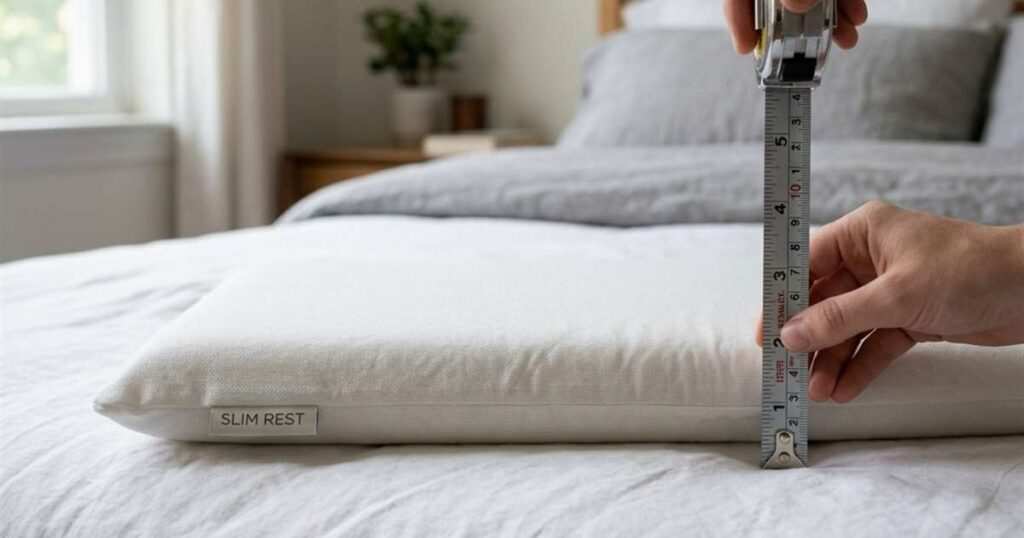
The practical ceiling: 3 inches of loft under actual head weight, not 3 inches as measured on the shelf. Solid memory foam compresses minimally under a 10-12 lb adult head. A soft down or shredded-fill pillow may compress from 4 inches to 1.5 inches under the same weight. Loft under load, not stated loft, is the correct measurement to shop by.
The secondary problem is lumbar. When your hips and abdomen sink into the mattress without pelvic support, the lumbar spine hyperextends. Placing a flat pillow under the pelvis, not under the abdomen or stomach, reduces that arch. The Mattress Miracle physiotherapy reference confirms placing a firm, flat pillow under the pelvis is a standard clinical recommendation for managing prone sleeping when position change has not been achieved. This is addressed in pick 7 below.
How to Read the Loft Numbers Below
Every pick includes two loft figures: stated loft (manufacturer-disclosed height unloaded) and functional loft (the realistic compressed height under an average adult head, derived from fill type and density). For solid foam picks, functional loft is close to stated loft. For soft compressible fills, functional loft is meaningfully lower. Both matter. Stated loft tells you the shelf height, functional loft tells you what your cervical spine actually experiences.
| Fill Type | Stated Loft | Functional Loft Under Load | Compressibility |
|---|---|---|---|
| Solid gel memory foam | As labeled | 70-85% of stated | Low, minimal compression |
| Shredded memory foam + microfiber | Adjustable | 50-65% of stated (fill removed) | High once adjusted |
| Down / down alternative | Varies | 30-55% of stated | Highest, compresses readily |
| Soft latex (shredded) | As labeled | 75-90% of stated | Moderate |
Stomach sleepers should target a functional loft of 1.5-2.5 inches. That range keeps the head elevated enough to avoid direct facial pressure while staying low enough that the cervical rotation is not compounded by lateral flexion.
The 7 Picks, Ranked by Functional Loft Under Load
Disclosure: Brocia analyzes products using manufacturer specs and published research, not our own hands-on tests. If you buy through our links, we may earn a commission at no extra cost to you. It never affects our rankings or verdicts. See our Review Process and Affiliate Policy.
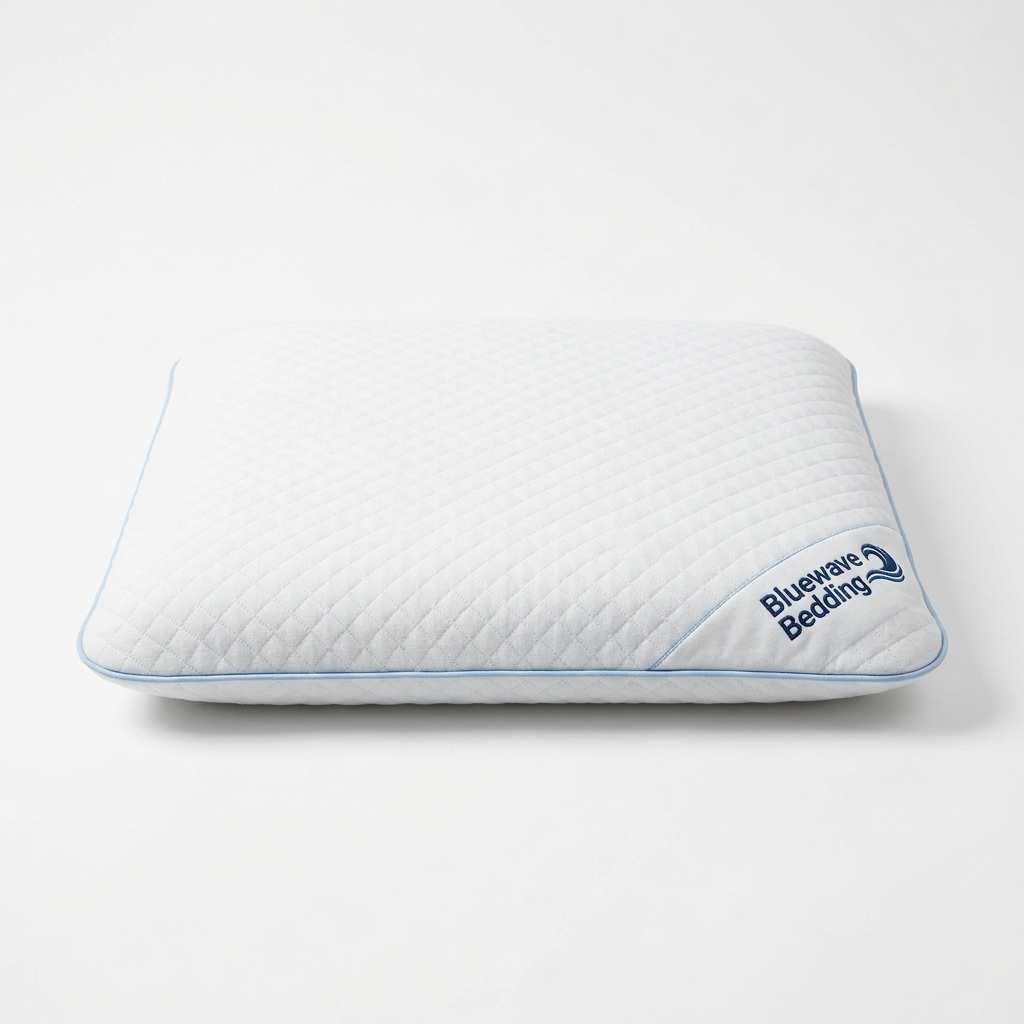
Pros
- Provides precise, non-adjustable geometry based on 5 loft options.
- Solid foam stays put and compresses minimally.
Cons
- Does not compress around an arm reaching under the pillow.
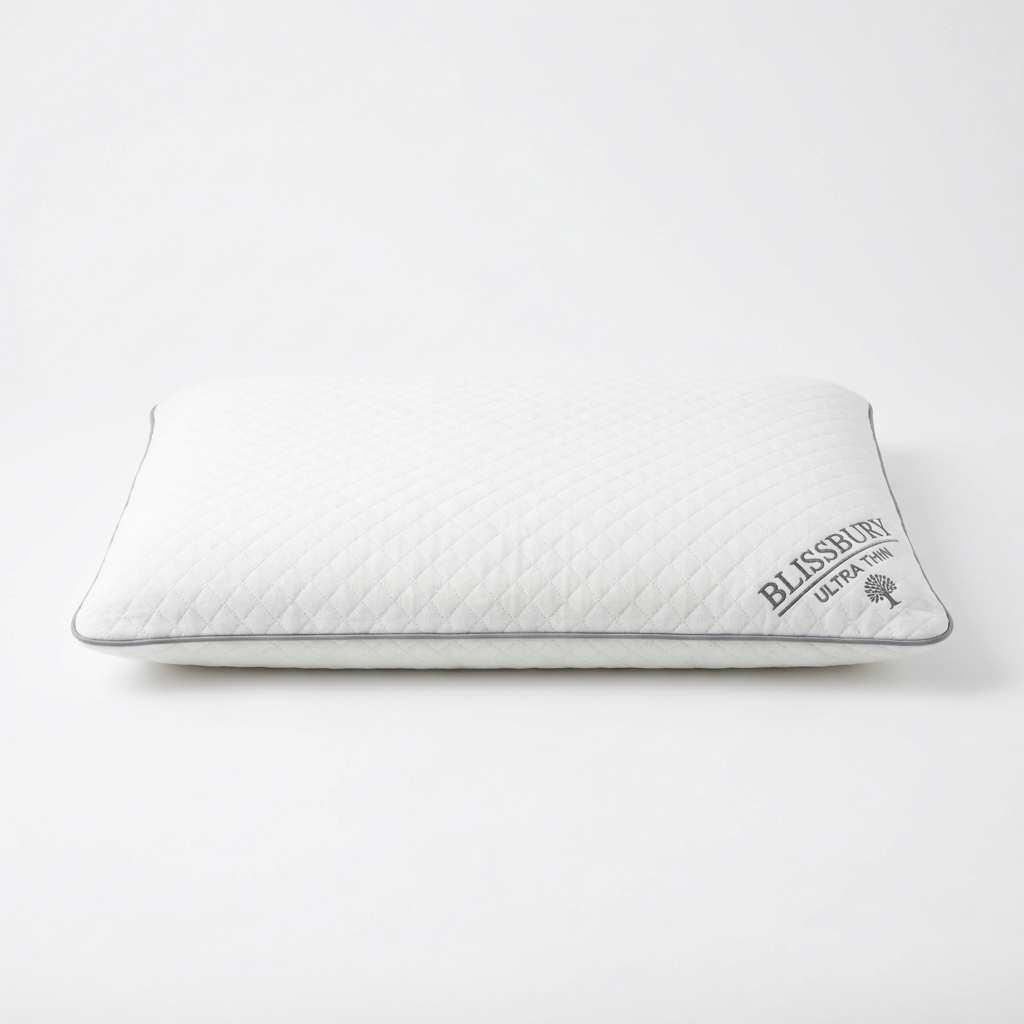
Pros
- Softer 50D foam accommodates an arm under the pillow.
- Compresses slightly more under head weight to roughly 2 inches.
Cons
- Can develop slightly uneven compression around the perimeter with extended use.
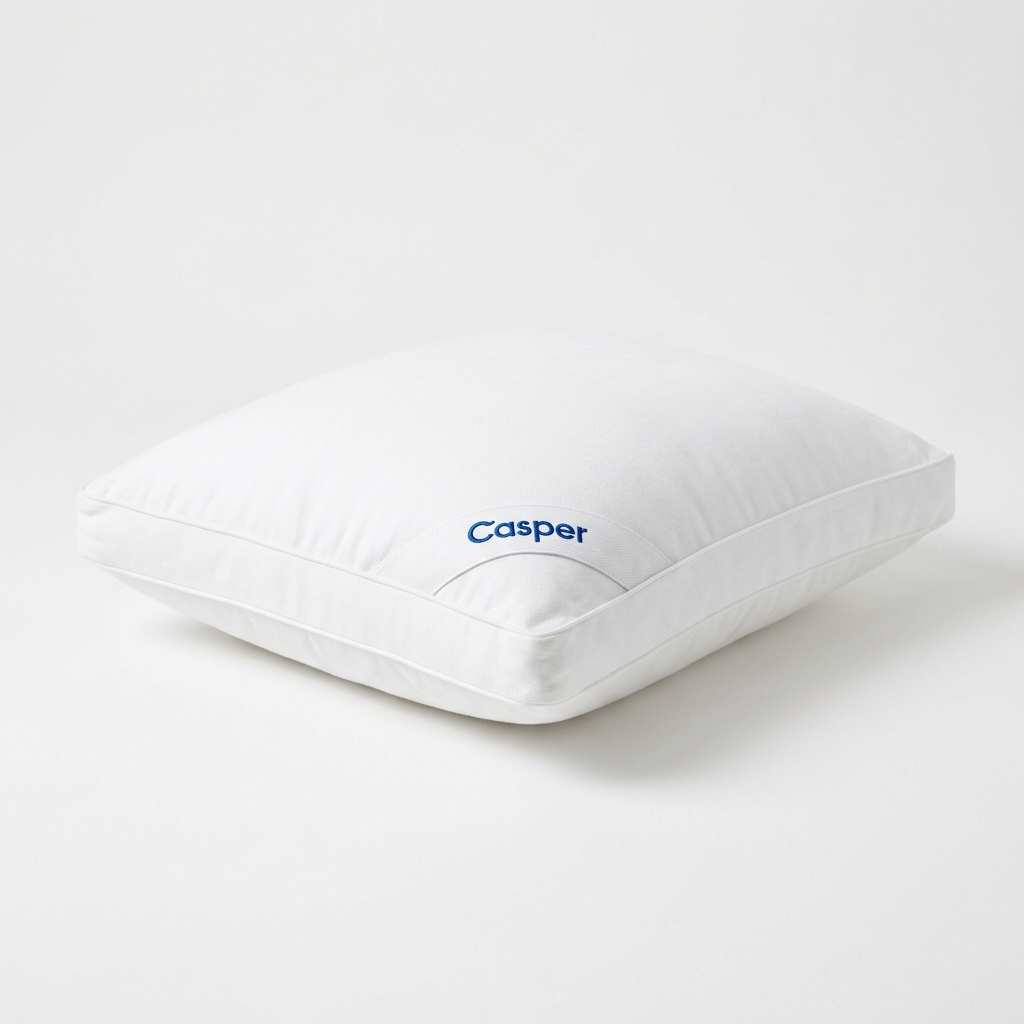
Pros
- Highly compressible down-alternative wrap.
- Flattens readily under head weight to 1.5 to 2 inches.
Cons
- Fiber-fill pillow shifts during the night and may need morning reshaping.
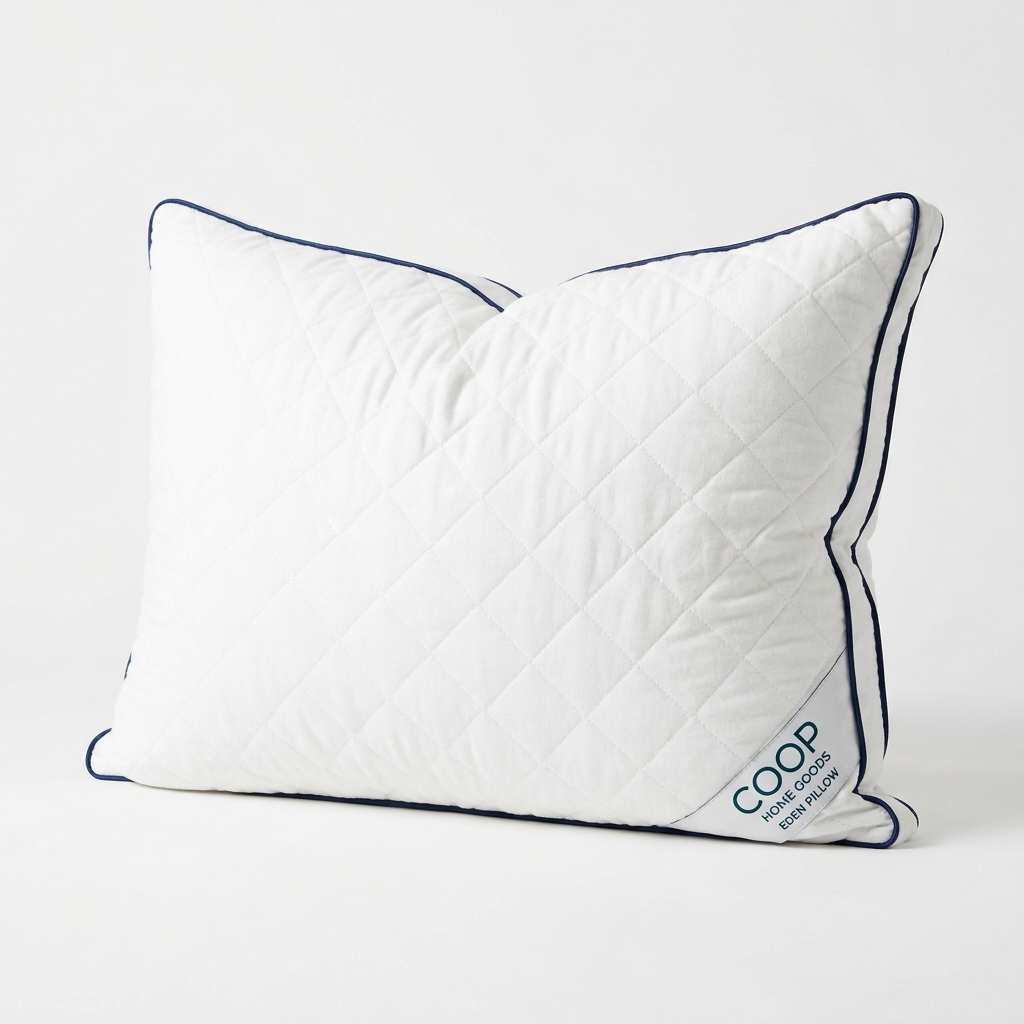
Pros
- Adjustable fill allows custom loft tuning.
- GREENGUARD Gold and CertiPUR-US certified for low emissions.
Cons
- Extracting tangled polyester microfiber requires significant effort.
~$96
Check on Coop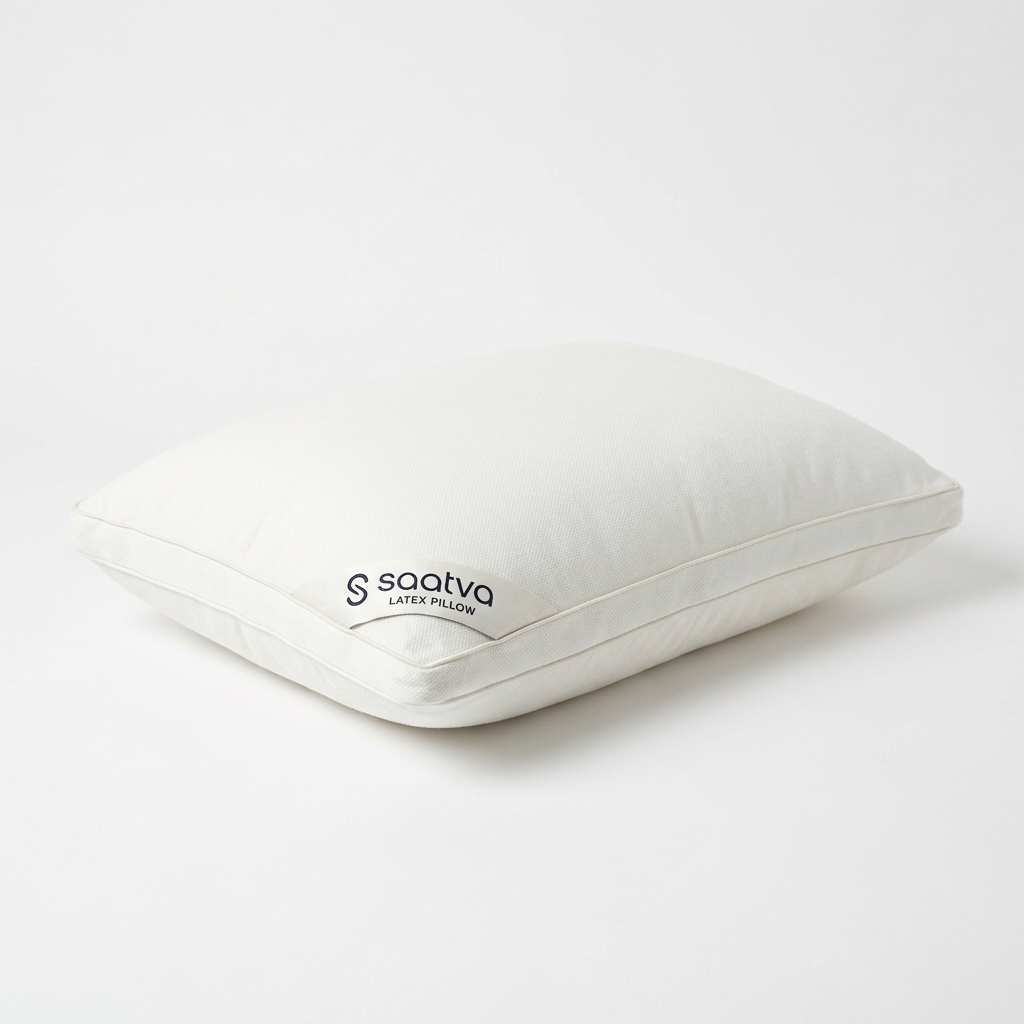
Pros
- Highly compressible shredded natural latex.
- Three-layer construct maintains structure without pancaking completely.
Cons
- Too tall for firm-mattress stomach sleepers.
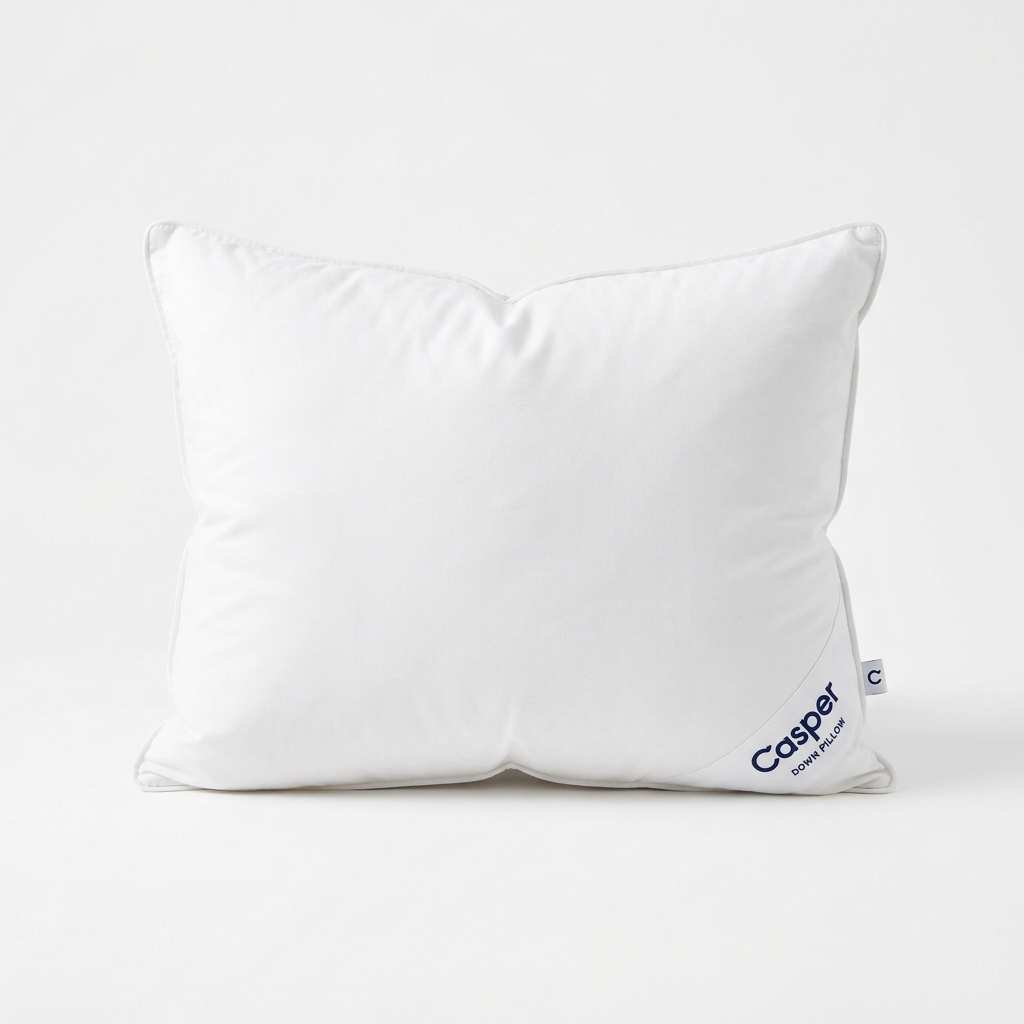
Pros
- Down compresses more readily than any other fill under head weight.
- 5-chamber design built explicitly for a low-profile.
Cons
- Requires daily fluffing and periodic tumble drying to prevent clumping.
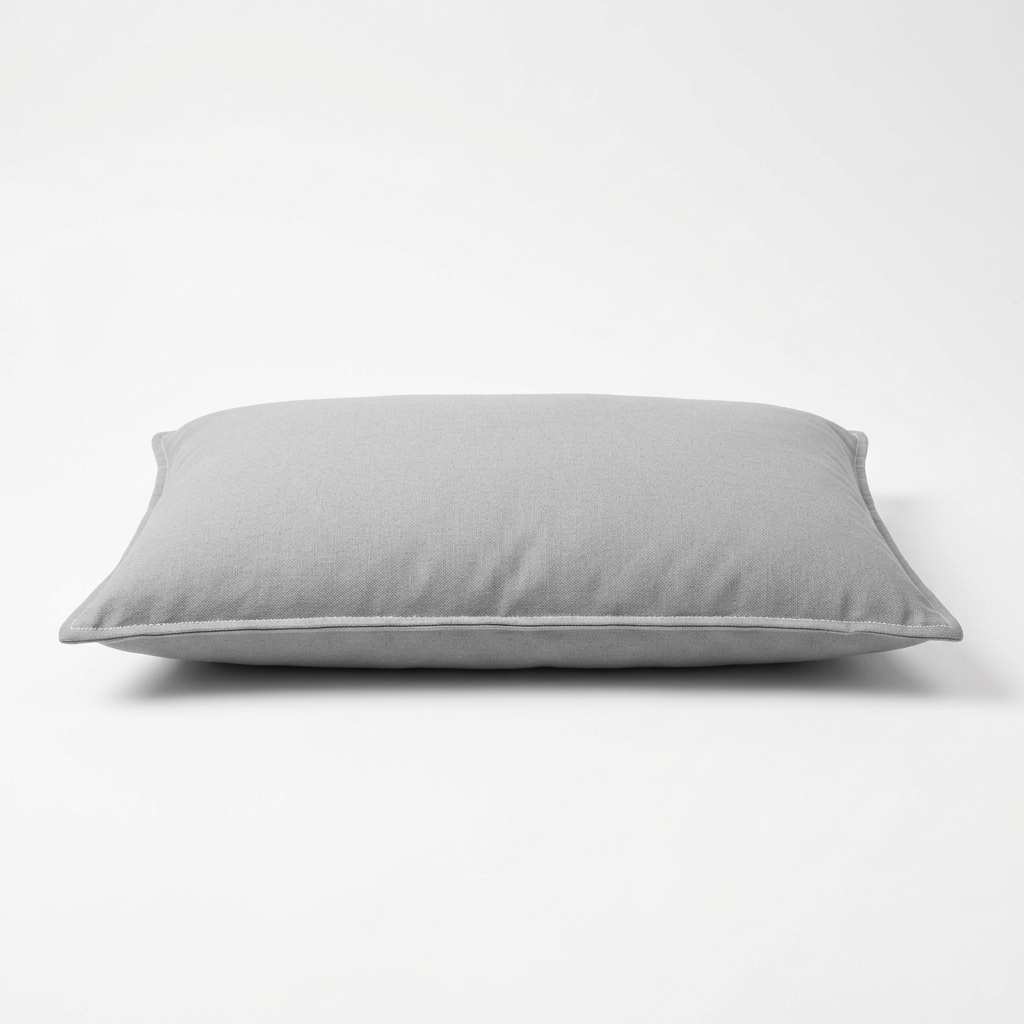
7. Flat Pillow Under the Pelvis
✓ Spec-verified
Pros
- Clinically supported intervention for lower back pain in prone sleepers.
- Reduces posterior lumbar arch to a neutral curve.
Cons
- Requires removing the head pillow entirely.
The Contrarian Point: Most Stomach Sleepers Are Using the Wrong Measurement to Shop
The most common mistake stomach sleepers make when shopping for a thin pillow is comparing stated loft numbers between products as if those numbers describe what the pillow does under a head. They do not. A 2.75-inch solid memory foam pillow and a 2.75-inch soft down alternative pillow produce entirely different functional lofts under the same head weight. The memory foam delivers approximately 2.5 inches of actual clearance. The down alternative may compress to 1.5 inches or less. Both are valid for stomach sleeping. But they solve different versions of the problem.
The correct shopping sequence:
- Determine your mattress firmness.
- Determine whether your primary issue is neck pain or lower back pain.
- Use functional loft, not stated loft, as the decision variable.
- Every pick above includes a functional loft estimate against which to calibrate.
Spec Comparison
| Pillow | Stated Loft | Functional Loft | Fill | Adjustable | Certification |
|---|---|---|---|---|---|
| Bluewave Bedding 2.75 in | 2.75 in | ~2.4-2.6 in | Solid gel memory foam | No | CertiPUR-US |
| Bluewave Bedding 2.25 in | 2.25 in | ~1.9-2.1 in | Solid gel memory foam | No | CertiPUR-US |
| Blissbury 2.6 in | 2.6 in | ~2.0-2.2 in | 50D gel memory foam | No | CertiPUR-US |
| Casper Original (insert out) | Variable | ~1.5-2.0 in | Down-alternative microfiber | Yes (remove insert) | – |
| Coop Eden (fill removed) | Variable | ~2.0-2.5 in | Shredded foam + microfiber | Yes | CertiPUR-US + GREENGUARD Gold |
| Saatva Latex Standard | 4-5 in | ~3 in on soft mattress | Shredded latex + down alt | Partial | GOTS + GOLS |
| Casper Down (low profile) | Variable | ~1.5-2.5 in | Duck down | No (fluff only) | RDS |
| Flat pelvic pillow | 1-2 in | ~1-1.5 in | Firm foam or dense fill | No | Varies |
Frequently Asked Questions
What is the best loft for a stomach sleeper pillow?
The target is a functional loft of 1.5-2.5 inches under actual head weight. Stated loft depends on fill type: solid memory foam at 2.25-2.75 inches delivers that range; soft down or compressible fills at 3 inches or more can also compress to that range. Functional loft, not stated loft, is the number that matters for cervical alignment.
Should stomach sleepers use a pillow or not?
Physiotherapy guidance recommends either a very thin pillow or no head pillow for stomach sleepers, with a flat pillow under the pelvis as the more important intervention for lower back health. Some stomach sleepers on firm mattresses manage well without any head pillow. Those on softer mattresses often find that even minimal head clearance, 1.5 to 2 inches of functional loft, feels more comfortable than face-to-mattress contact.
Why does my neck hurt after sleeping on my stomach?
Stomach sleeping holds the cervical spine in 45-90 degrees of lateral rotation for hours. Any head pillow taller than roughly 3 inches of functional loft adds lateral flexion to that rotation, loading the facet joints and muscles on the compressed side more heavily. Reducing pillow height, removing the head pillow entirely, or transitioning to side sleeping are the three structural interventions.
Can a firm pillow work for stomach sleeping?
Generally no. A firm pillow at stomach-sleeper loft heights (under 3 inches) does not compress under head weight, which means the stated loft is the functional loft. Acceptable if the stated loft is already 2-2.75 inches. A firm pillow at 4-5 inches stated loft does not compress to a stomach-safe range and actively worsens cervical load.
Are adjustable shredded foam pillows good for sleeping on your stomach?
Shredded foam pillows rarely work well for stomach sleepers. Even when you remove most of the fill, the remaining chunks tend to bunch up and create lumpy pressure points under your face. A solid piece of low-profile memory foam or a flat down pillow provides a much more consistent surface.
Why do stomach sleepers need an ultra-thin low profile pillow?
Stomach sleepers need a very thin pillow to prevent neck strain and maintain neutral spinal alignment. Standard pillows crank the neck upward at a sharp angle. A 2.25-inch memory foam pillow keeps your head virtually flat on the mattress. If you wake up with neck stiffness, your pillow is probably too thick.
Can stomach sleepers use a toddler or children’s pillow instead?
Buying a children’s pillow is a popular and inexpensive trick for stomach sleepers. They mimic the materials of adult pillows but offer a naturally lower height and smaller footprint. Just check the dimensions first, since a toddler pillow might be too narrow if you toss and turn frequently.
Do Squishmallow plush toys actually work as pillows for stomach sleepers?
Many stomach sleepers use a flat Squishmallow as a head support. The highly compressible stuffing provides a consistent, squishy height that is surprisingly effective for face-down breathing. However, plush toys lack the cooling features and breathable covers found in dedicated low-profile memory foam pillows.
Stomach sleepers need the thinnest washable option. Our Pillow Guides cover low-loft care and when flat means replace.