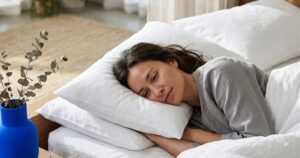
It’s 2 a.m. You wake already hot, sheets damp, the pillow radiating heat back into your face. The flash itself lasted three minutes. The waking lasts longer. Because now the pillow is holding the heat your body just tried to shed, and it’s pushing it back at you.
I put this guide together because menopause hot flashes kept surfacing in my cooling-pillow research, and most of the advice I found was either vague or wrong. I compared five pillow fills against published research on thermoregulation during menopause and matched each one to a flash pattern: sleep-onset heat, mid-night waking, or clamminess after a flash. I don’t test pillows myself. I read the specs, check them against the research, and link every source so you can verify each claim.
That feedback loop is the specific problem a cooling pillow can interrupt. Not the hormonal cascade that started the flash, but the thermal environment that extends the waking and raises the likelihood of another trigger. The physiology matters here, so I’ll cover it briefly before the picks. Because knowing why hot flashes happen at night determines which fill materials can actually help.
Why Hot Flashes Are Worse in Bed
A hot flash is not simply overheating. It’s a thermoregulatory event, a rapid, exaggerated heat-dissipation response triggered by the central nervous system. Research published in Seminars in Reproductive Medicine (Freedman, 2005) documents the mechanism: menopause narrows the thermoneutral zone. The range of core body temperatures the hypothalamus considers safe before triggering sweat or shiver responses. In women with symptoms, this zone can compress to near zero, meaning even a small elevation in core temperature initiates a peripheral vasodilation and sweating response.
The NCBI’s StatPearls review of menopause physiology confirms that vasomotor symptoms affect roughly 75-80% of women during the menopausal transition, with hot flashes typically lasting 3-4 minutes each. What triggers the initial thermal elevation varies. A warm bedroom, a dense foam pillow trapping head heat, or even the normal body temperature cycling that occurs around sleep stage transitions can be enough to cross a compressed thermoneutral zone.
The pillow is relevant because the head is the body’s primary heat-dissipation surface during sleep. If the material the head rests on blocks that heat from dispersing, as solid memory foam does, it can nudge core temperature up enough to fire a flash in an already-sensitized hypothalamus. A fill that moves heat away continuously lowers that risk.
The 5 Best Cooling Pillows for Menopause Hot Flashes
Disclosure: Brocia analyzes products using manufacturer specs and published research, not our own hands-on tests. If you buy through our links, we may earn a commission at no extra cost to you. It never affects our rankings or verdicts. See our Review Process and Affiliate Policy.
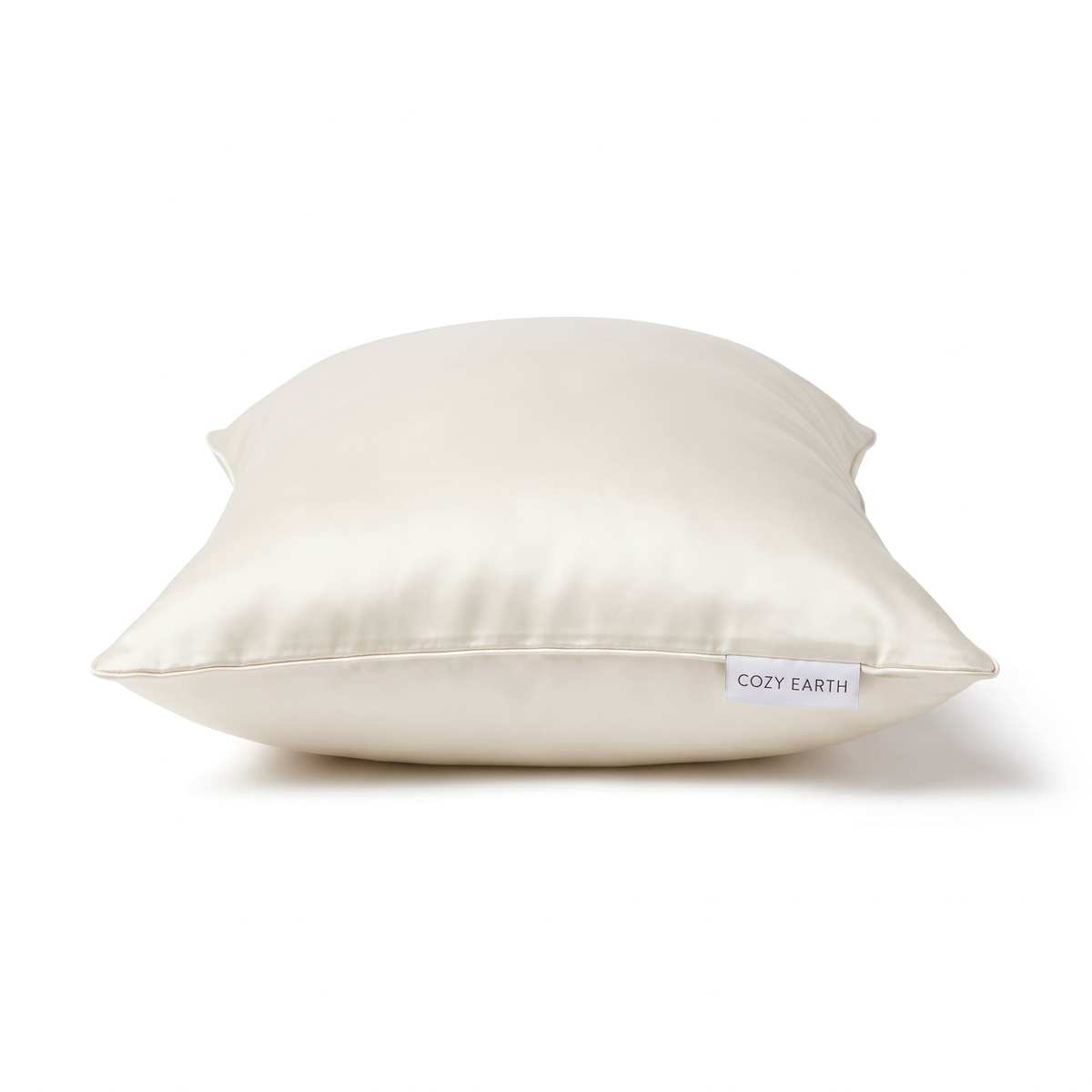
4. Cozy Earth Silk Pillow
Best for: Clammy waking after flashes
| Spec | Disclosed Value |
|---|---|
| Fill | 100% long-strand mulberry silk |
| Cover | Bamboo-derived viscose sateen |
| Warranty | 10 years (fill clumping / flattening) |
| Price (standard) | ~$169–$199 |
| Trial | 30-day |
| Best position | Stomach · Back |
Best for Clammy Waking Without Severe Heat. The selected option is matched to menopause-related heat concerns based on its fill and ventilation characteristics.
- Moisture management properties
- Luxurious silk fill
- Stays drier through the aftermath of a flash
- Less effective for sustained radiant heat or severe mid-night flashes
- Higher price point
- Requires more delicate care than synthetic fills
The Myth That Makes Everything Worse: Freezing Your Pillow
It comes up in menopause forums regularly: freeze the pillow before bed for maximum relief. The thermal mass argument is real. A colder pillow surface does provide immediate relief during a flash. The problem is what happens after.
A frozen pillow introduced into a warm, humid bedroom rapidly accumulates condensation on its surface and within its fill. Water vapor from the bedroom air deposits on any surface that falls below the dew point. For a foam or fiber fill, that condensation soaks in and doesn’t dry by morning. Repeated cycles of freezing and thawing, combined with the moisture load from night sweats, create exactly the conditions for mold growth inside the fill: sustained moisture, limited airflow, and a warm ambient temperature when the pillow rewarms. Solid memory foam and dense synthetic fills trap this moisture rather than releasing it.
The correct approach for pre-sleep cooling is a cool room (most clinical guidance on hot flash management notes that lowering ambient temperature is beneficial), not a frozen pillow. If you want the immediate cool-to-the-touch effect at sleep onset, a PCM-coated cover (Slumber Cloud Outlast) achieves it without the condensation risk.

How to Match the Pick to Your Flash Pattern
My take: match the pillow to your flash pattern, not to the marketing. Sleep-onset heat calls for PCM. Mid-night waking calls for structural airflow. Clamminess calls for silk. Get the pattern right and the pick follows. The five picks map to two different problems. Knowing which one applies to you narrows the list immediately.
Sleep-onset heat (hard to fall asleep, pillow feels warm from the start): the Slumber Cloud UltraCool is the targeted fix. PCM technology delivers its strongest effect in the first 30-60 minutes of contact. Exactly the window that matters at sleep onset.
Mid-night waking from heat (fall asleep fine, wake at 2-4 a.m. soaked or overheated): the Purple Harmony, Saatva Latex, or Hullo Buckwheat are the correct choices. All three provide continuous, time-unlimited cooling through structural airflow rather than a charge-and-discharge mechanism.
Clamminess as the main complaint (the flash itself is brief, but the damp surface extends the waking): the Cozy Earth Silk handles this, moisture management at the skin interface rather than active heat extraction.
Frequently Asked Questions
Why are hot flashes worse at night?
Menopause narrows the thermoneutral zone. The range of core body temperatures the brain accepts without triggering a heat-dissipation response. Research published in Seminars in Reproductive Medicine documents that symptomatic women can have interthreshold zones compressed to near zero, meaning minor temperature elevations, including from a heat-trapping pillow, are sufficient to fire a flash. The head also acts as the primary heat-dissipation surface during sleep, making pillow material more consequential at night than during the day.
What is the worst pillow material for menopause hot flashes?
Solid memory foam. The same viscoelastic property that makes memory foam contour to the head, heat-sensitive softening, also makes it trap the heat it absorbs. Dense foam has a small cell structure that limits airflow when compressed under head weight. For women with a narrowed thermoneutral zone, a solid foam pillow is the fill type most likely to sustain the elevated head temperature that can trigger or extend a flash. Shredded memory foam is better than solid but still lags open-cell latex and buckwheat on airflow.
Can a cooling pillow stop a hot flash?
No. A cooling pillow cannot alter the hormonal or neurological mechanism driving vasomotor symptoms. What it can do is reduce the head-interface temperature that might tip the thermostat during a vulnerable period, lowering the probability of a thermally triggered flash and shortening the recovery period after one. The distinction between treating the cause (a clinical matter) and managing the environment (a product matter) matters. Women with medically significant vasomotor symptoms should speak with a physician.
Is a water pillow good for menopause?
Water pillows have high thermal mass, which means they absorb significant heat before warming up. Providing sustained cooling through conduction. The practical risk is condensation: a cold water pillow in a warm, humid bedroom develops surface moisture, which transfers to fill and case materials and can accumulate over time. For most people, a continuously ventilated fill (buckwheat, shredded latex) or a PCM-coated cover provides the cooling benefit without moisture accumulation.
Should I freeze my pillow for hot flashes?
No. Freezing creates condensation when the cold pillow meets warm bedroom air, introducing moisture into the fill. For foam and synthetic fills, that moisture cannot evaporate quickly and creates conditions favorable for mold growth over repeated freeze-thaw cycles. For rapid pre-sleep cooling, a PCM-coated cover achieves a cool-to-the-touch surface without condensation risk.