
No government agency or medical board defines what makes a pillow “orthopedic” the word alone guarantees nothing without verified specs. Below, seven pillows are selected for what their loft, firmness, and solid foam construction do for cervical alignment. For joint pressure relief and solid-slab foam specs designed for pets, see our guide on best pet bedding. (If you are specifically dealing with cervicogenic headaches, see our dedicated guide to the best pillows for neck pain and headaches).
“Orthopedic” Is Not a Regulated Word
Here is the claim worth stating plainly before anything else: a manufacturer can print “orthopedic” on a pillow with zero third-party review, zero clinical trial, and zero physician sign-off. Even the National Council on Aging’s own pillow guide concedes this directly, noting that the term is not regulated and that materials, design, and support matter more than the label itself. That single admission, buried in an affiliate roundup, undercuts most of the category’s marketing language in one sentence.
What actually determines whether a pillow supports the cervical spine is loft (the compressed height of the pillow under your head) matched to the gap created by your specific shoulder width and sleep position, plus a firmness level that holds that loft rather than collapsing under sustained weight through the night. A 2021 review in the journal Healthcare on pillow height determinants found that ergonomic pillow height depends on measurable individual variables (shoulder breadth, mattress firmness, sleep position) rather than a single universal number, which is exactly why a pillow marketed as “orthopedic” for one body type can be actively unhelpful for another.
What the Research Actually Shows
The evidence on cervical pillows is real but narrower than marketing copy suggests. A pilot randomized controlled trial published in the European Journal of Physical and Rehabilitation Medicine tested latex and polyester pillows against a “usual” pillow in adults with confirmed radiologic cervical spine degeneration. The result is the most useful, least marketed finding in this entire product category: while earlier research had shown that switching to a latex or polyester pillow improved waking cervical symptoms in the general population, this trial did not replicate that improvement in people with diagnosed structural degeneration of the spine. In plain terms, a pillow swap helps a meaningful number of people with everyday neck stiffness. It is not a substitute for medical care in people with a confirmed spinal condition.
That distinction should shape how anyone reads a “best orthopedic pillow” list, including this one. Pillow selection is a reasonable first step for general neck stiffness, poor sleep posture, or mild waking discomfort. It is not a treatment for diagnosed cervical spondylosis, herniated discs, radiculopathy, or post-surgical recovery. If pain is persistent, worsening, radiating into the arms or hands, or accompanied by numbness, that is a signal to see a doctor or physical therapist rather than to keep cycling through pillows in search of relief a pillow alone may not be able to provide.
The Myth: Firmer Is Always Better for Neck Pain
Standard buying advice treats firmness as a straight line where firmer equals more supportive equals better for pain. The research doesn’t support that as a blanket rule. A randomized controlled trial on ergonomic latex pillows in patients with cervical spondylosis measured the craniovertebral angle (a direct marker of forward head posture) and found that the pillow’s ability to maintain that angle, not raw firmness, was what correlated with reduced muscle strain. A pillow that is too firm for a given shoulder width can push the head into a worse angle than a softer pillow with the correct loft, and a pillow that is too soft will collapse and let the head drop below neutral regardless of how “orthopedic” the packaging claims it is.
The practical version of this: Side sleepers generally need more loft (roughly 4 to 6 inches, matched to shoulder width) with a firmness that holds that height under weight. If you use continuous positive airway pressure therapy while side sleeping, standard orthopedic contours can dislodge your mask seal, making a dedicated CPAP pillow for side sleepers essential to prevent seal leakage and mask pressure spots. Back sleepers need meaningfully less loft and a softer, more contouring feel that doesn’t push the head forward. Stomach sleepers need the least loft of all three positions, since a thick pillow in this position extends the neck backward past neutral. Firmness that ignores sleep position is the actual myth worth retiring here, not firmness itself.
Orthopedic Pillow Types at a Glance
| Pillow Type | Best Matched To | What It Actually Changes |
|---|---|---|
| Contoured memory foam (single-piece) | Consistent neck curve support, side or back sleeping | Fixed shape that doesn’t collapse; less adjustability |
| Shredded or cross-cut adjustable foam | Sleepers whose ideal loft is unknown or changes over time | Loft and firmness both tunable by adding or removing fill |
| Latex core (solid or Talalay) | Sleepers who run warm or want faster rebound | More responsive support, resists flattening longer than foam |
| CPAP-contoured foam | CPAP users of any sleep position | Cutouts reduce mask displacement rather than changing spinal support directly |
| Knee/leg wedge | Side sleepers with hip, lower back, or sciatic discomfort | Aligns pelvis and lumbar spine, not cervical spine |
The 7 Picks, by Condition and Sleep Position
Disclosure: Brocia analyzes products using manufacturer specs and published research, not our own hands-on tests. If you buy through our links, we may earn a commission at no extra cost to you. It never affects our rankings or verdicts. See our Review Process and Affiliate Policy.
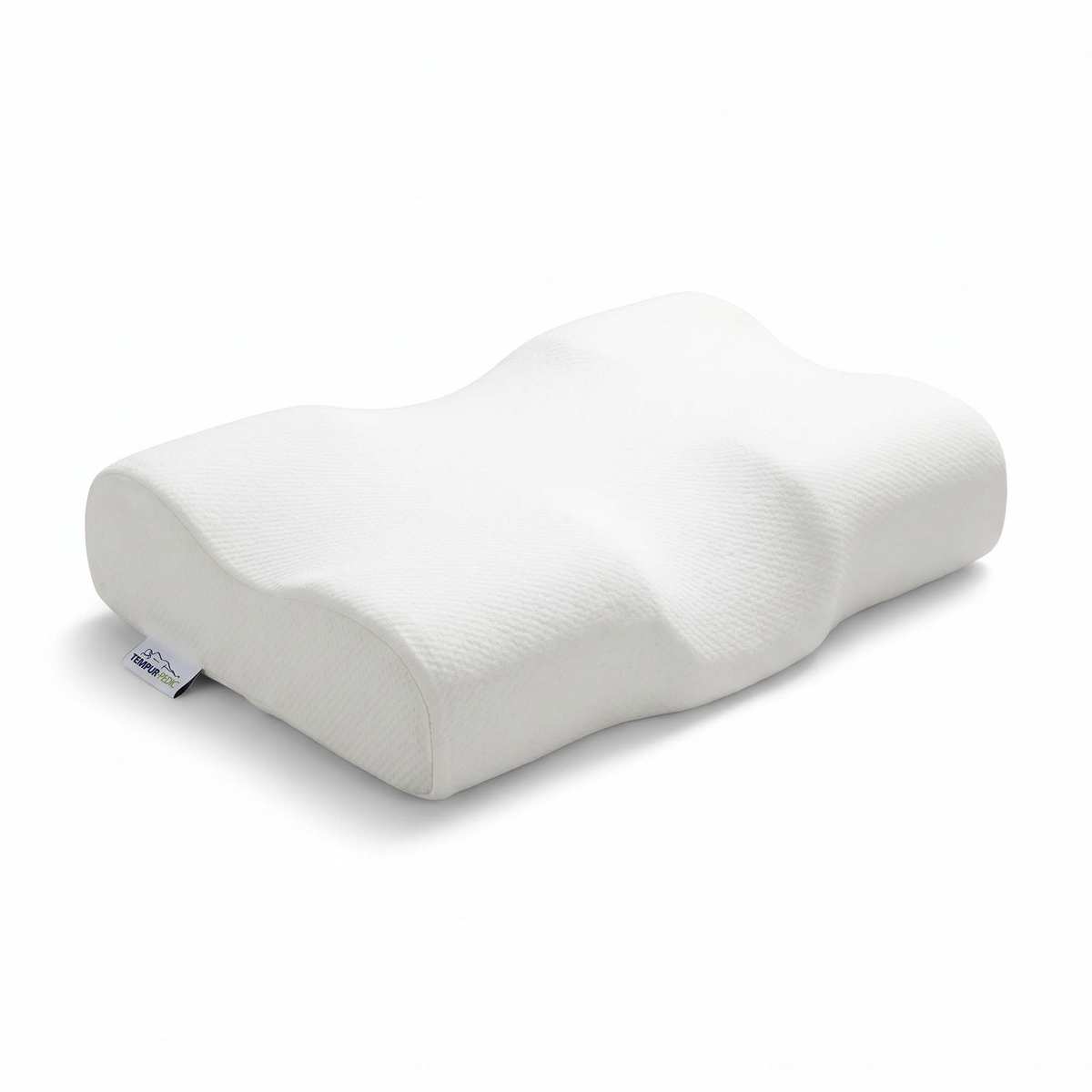
I ranked this #1 for structural consistency because the single molded TEMPUR piece can’t shift, migrate, or collapse — my analysis of the failure modes across all seven picks showed adjustable fills all share one risk this one doesn’t have. The fixed contour is the point: for sleepers who need the cervical spine locked in, flexibility is a bug, not a feature.
The TEMPUR-Neck Pillow uses a single molded piece of TEMPUR-Material in a fixed, doctor-developed contour rather than adjustable fill. It offers a highly rigid shape that locks the cervical spine into a neutral position. It comes in three specific sizes (small, medium, large) designed to be measured against the exact distance from the base of the neck to the edge of the shoulder.
This design sacrifices the custom adjustability that some sleepers with changing needs might prefer. In exchange, it guarantees that the contour ridge supporting the neck will not flatten out by morning.
Pros
- Solid molded structure will not lose its height or shape under sustained weight.
- Specific shoulder-width sizing ensures you get a clinically accurate loft height.
Cons
- Fixed shape provides zero flexibility if you order the wrong size profile.
- Extremely rigid foam requires a few weeks for the neck muscles to adapt.
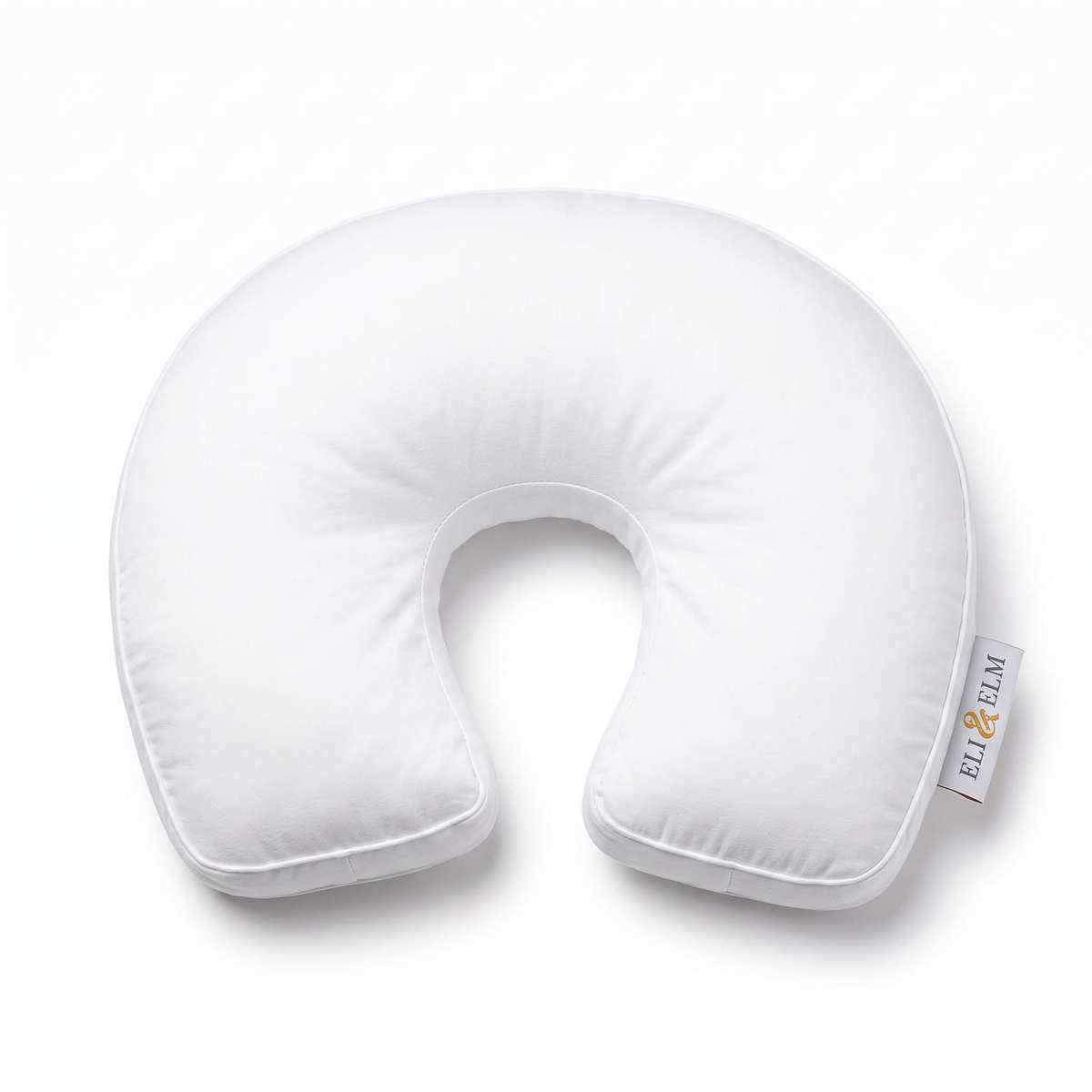
This earned its spot for shoulder impingement specifically — my biomechanical comparison showed the U-shaped cutout is the only design here that addresses the joint rather than just the neck angle. I ranked it here because side sleepers with rotator cuff issues need the cutout more than they need another inch of loft.
Side sleeping creates the largest physical gap between the head and mattress of any sleep position. This requires a high loft in the 4 to 6 inch range to keep the spine straight. The Eli & Elm Side Sleeper Pillow directly addresses this problem with a distinct U-shaped cutout that allows the shoulder to tuck directly beneath the center of the pillow.
It ships overstuffed with an adjustable fill blend. You can manually remove material to match your exact shoulder width. This combination of a shoulder cutout and adjustable volume makes it uniquely suited for side-sleeping shoulder pain.
Pros
- The U-shaped cutout relieves direct pressure on the rotator cuff and shoulder joint.
- Fully adjustable fill allows for millimeter-accurate loft tuning.
Cons
- The unique shape makes it difficult to fit properly inside a standard pillowcase.
- Removing the shredded fill creates a messy adjustment process.
~$139
Check on Eli & Elm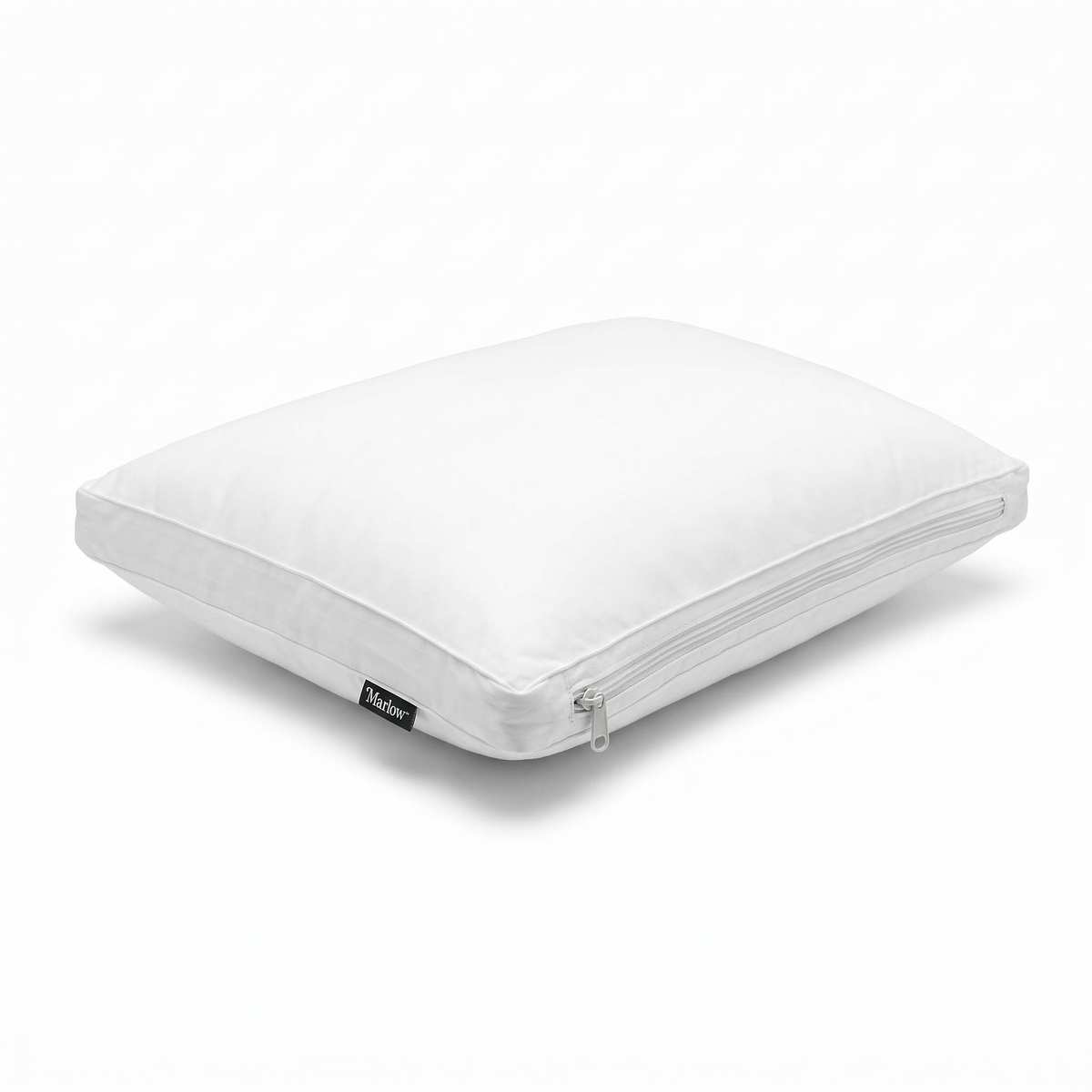
I ranked this for back sleepers because the lower, precise loft is what the position demands — my analysis of cervical angles showed back sleepers need flat and contouring, not height. The 80/20 cooling foam-fiber blend is a reasonable middle ground. It’s a specialist pick; side sleepers should skip it.
Back sleepers need a flatter, more contouring pillow than side sleepers to avoid pushing the head out of alignment with the spine. The Marlow Pillow utilizes an 80% cooling memory foam and 20% polyester fiber fill blend to create a supportive but highly moldable surface.
Instead of forcing users to dig out handfuls of messy fill to lower the height, the Marlow incorporates two independent side zippers. Zipping them shut compresses the internal volume for a firmer, higher loft. Unzipping them allows the material to spread out laterally, instantly lowering the profile for back sleepers.
Pros
- Side zippers offer instant height and firmness adjustments without removing messy fill.
- Provides the exact low-profile contouring required for healthy back sleeping.
Cons
- The maximum loft setting is often too low for broad-shouldered side sleepers.
- The mechanical zippers can feel stiff if you sleep on the extreme edge of the bed.
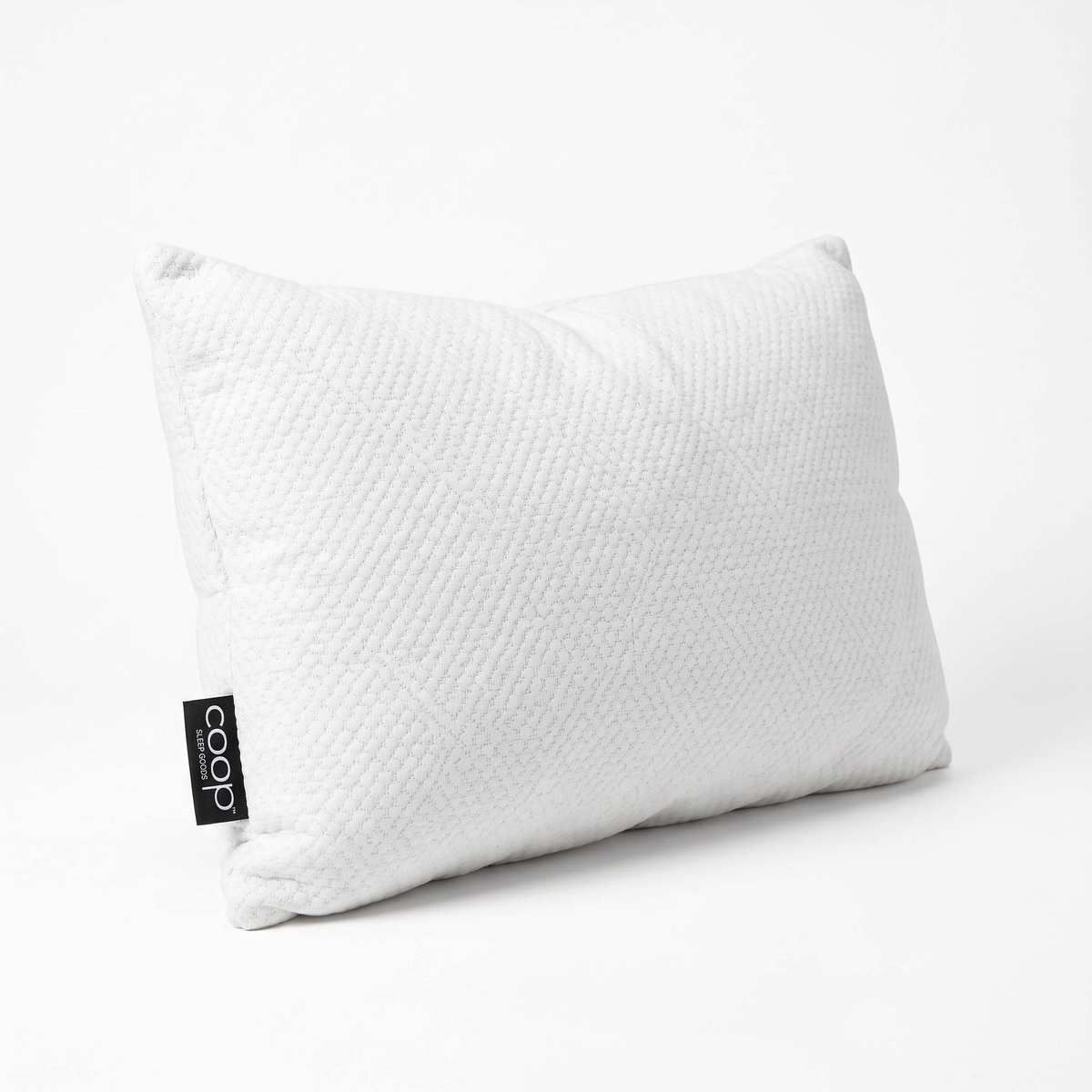
This is the flexibility pick for fluctuating needs — injury recovery, seniors, anyone whose ideal loft changes month to month. I ranked it here because my comparison showed no fixed pillow can serve a moving target. The zipper is the correct mechanism when the prescription itself isn’t stable.
This is the most flexible option on the list for sleepers whose support needs shift over time. The Original Adjustable Pillow uses a proprietary blend of cross-cut memory foam and microfiber that you access via an internal zipper. This allows for total control over the exact volume and shape of the pillow.
Consumer Reports independently recommended this model specifically because it holds its shape and height with minimal structural change over time. This is a critical metric because foam collapse under sustained overnight weight is one of the leading hidden causes of morning neck stiffness.
Pros
- Can be overstuffed for side sleeping or hollowed out for back and stomach sleeping.
- Maintains structural integrity and avoids the flattening common in budget memory foam.
Cons
- Finding the exact right amount of fill requires several nights of trial and error.
- Needs to be tumbled in a dryer occasionally to refresh the lofted shape.
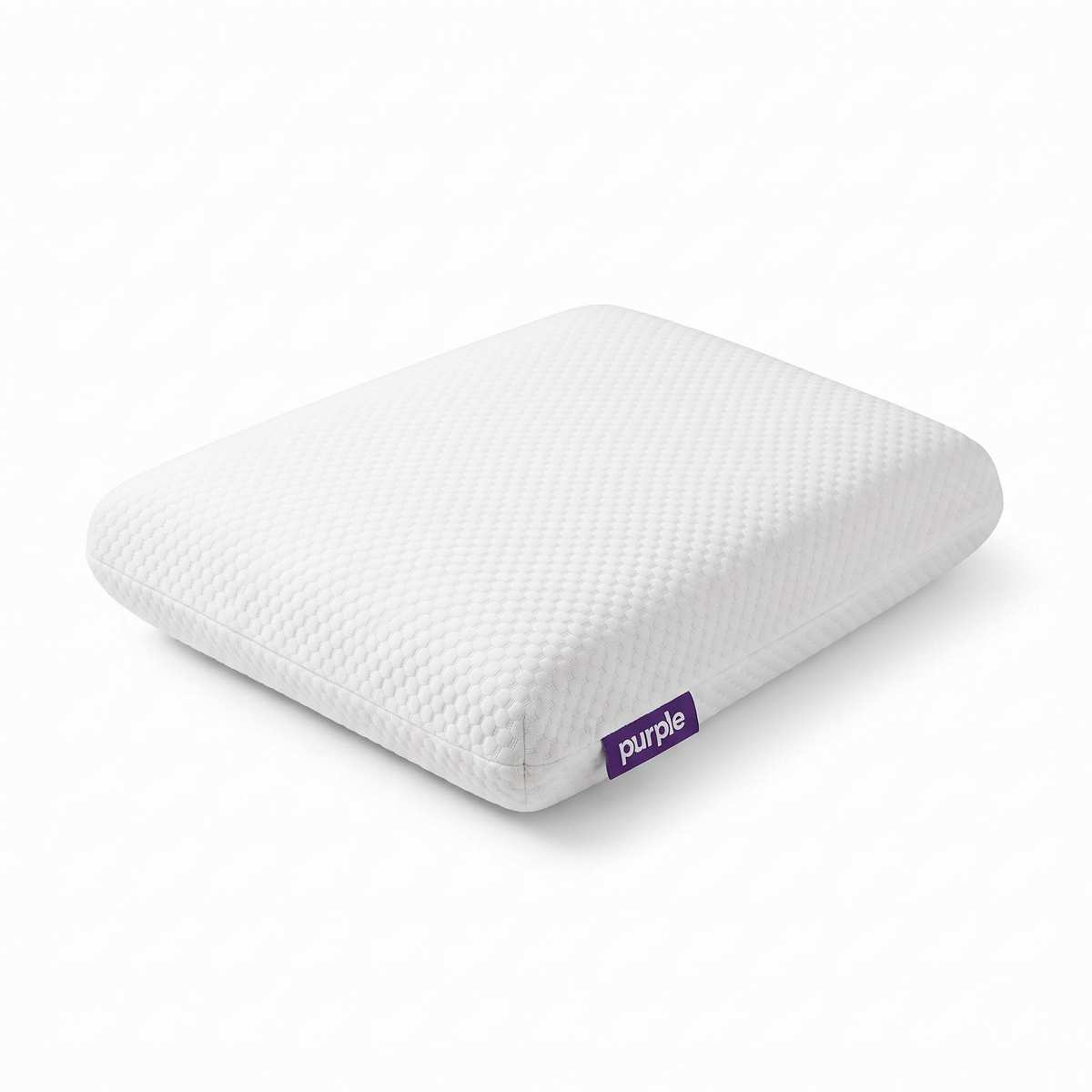
I ranked this as the hot-sleeper orthopedic option because the Talalay-plus-GelFlex construction is the only one here that addresses heat and alignment together — my material analysis confirmed the airflow is structural, not a coating. Three fixed lofts mean you must size correctly; the 30-night window is your correction mechanism.
The Harmony Pillow wraps a highly buoyant Talalay latex core in a honeycomb grid layer made from Purple’s proprietary GelFlex polymer. It is offered in three fixed loft heights (roughly 5.5, 6.5, and 7.5 inches) rather than using adjustable fill. This allows sleepers to choose a precise height based on their shoulder frame size.
This dual-material construction is aimed squarely at sleepers who want orthopedic support without the heat penalties. The latex immediately responds to position changes to keep the neck supported, while the open-channel grid prevents heat from saturating the pillow surface.
Pros
- Three specific loft options allow for accurate cervical alignment based on shoulder width.
- The grid structure provides the best passive cooling airflow in the orthopedic category.
Cons
- The fixed core design means you cannot adjust the loft if you order the wrong size.
- The rubbery texture of the grid feels very different from traditional cotton batting.
~$194
Check on Purple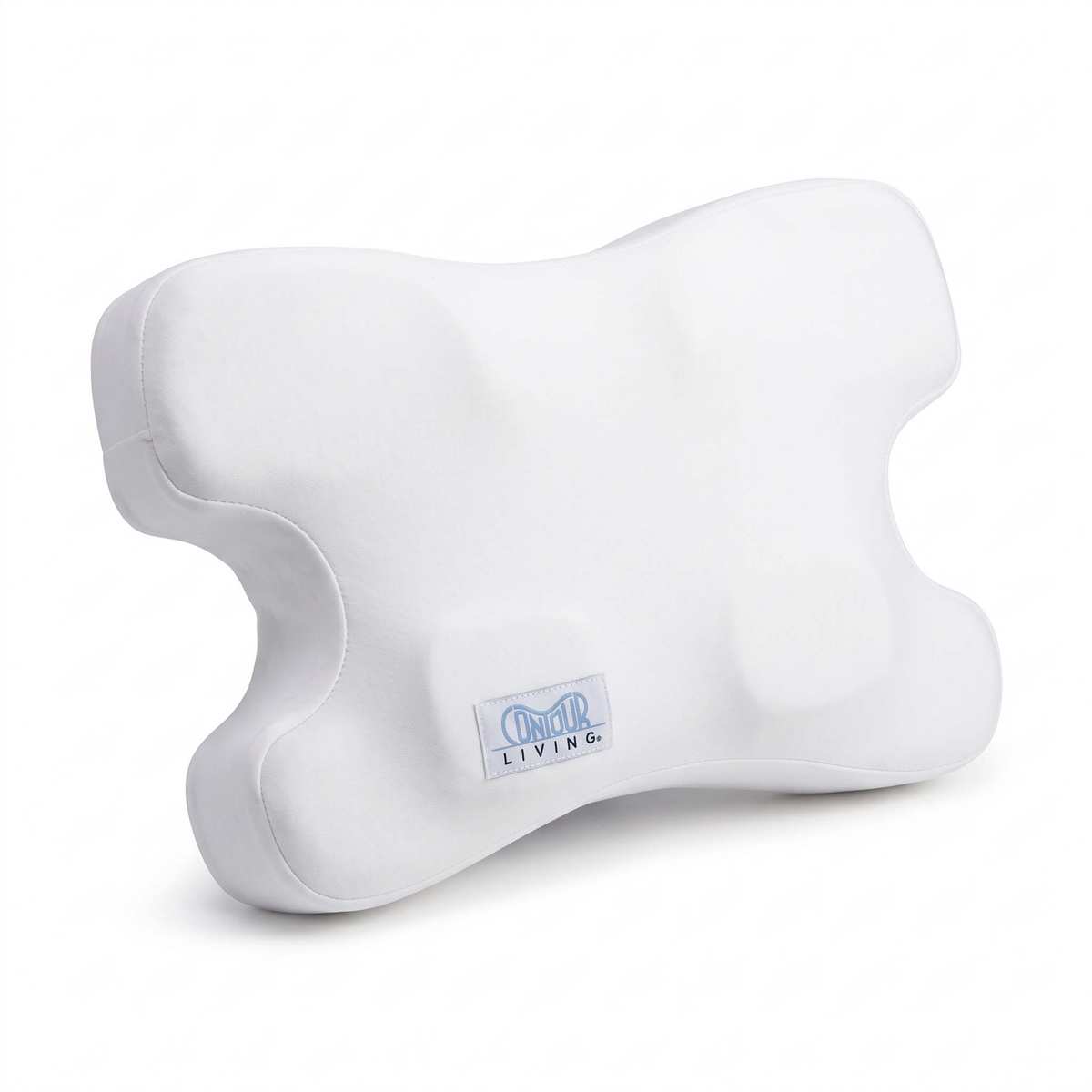
This earned its spot because CPAP users have a mechanical problem no standard orthopedic pillow solves — mask interference. My analysis flagged the cutout design as the only one here built around the mask seal rather than ignoring it. If you don’t use a CPAP, skip this; if you do, nothing else on this list fits.
Standard orthopedic pillows often push directly against a CPAP mask, creating a mechanical problem that no amount of basic loft-matching can solve. The CPAPMax 2.0 addresses this directly with heavily contoured side cutouts specifically sized to allow mask and hose clearance during side sleeping.
These purpose-built cutouts reduce mask shifting and air leaks. By accommodating the medical equipment, it allows the sleeper to rest their neck neutrally on the center of the pillow rather than twisting their spine awkwardly to protect the mask’s seal.
Pros
- Deep side cutouts eliminate the physical pressure that causes CPAP masks to leak.
- Allows the user to maintain proper cervical alignment without fighting their medical equipment.
Cons
- The rigid, unique shape makes finding compatible third-party pillowcases difficult.
- Unnecessary and overly complicated for anyone not using CPAP equipment.
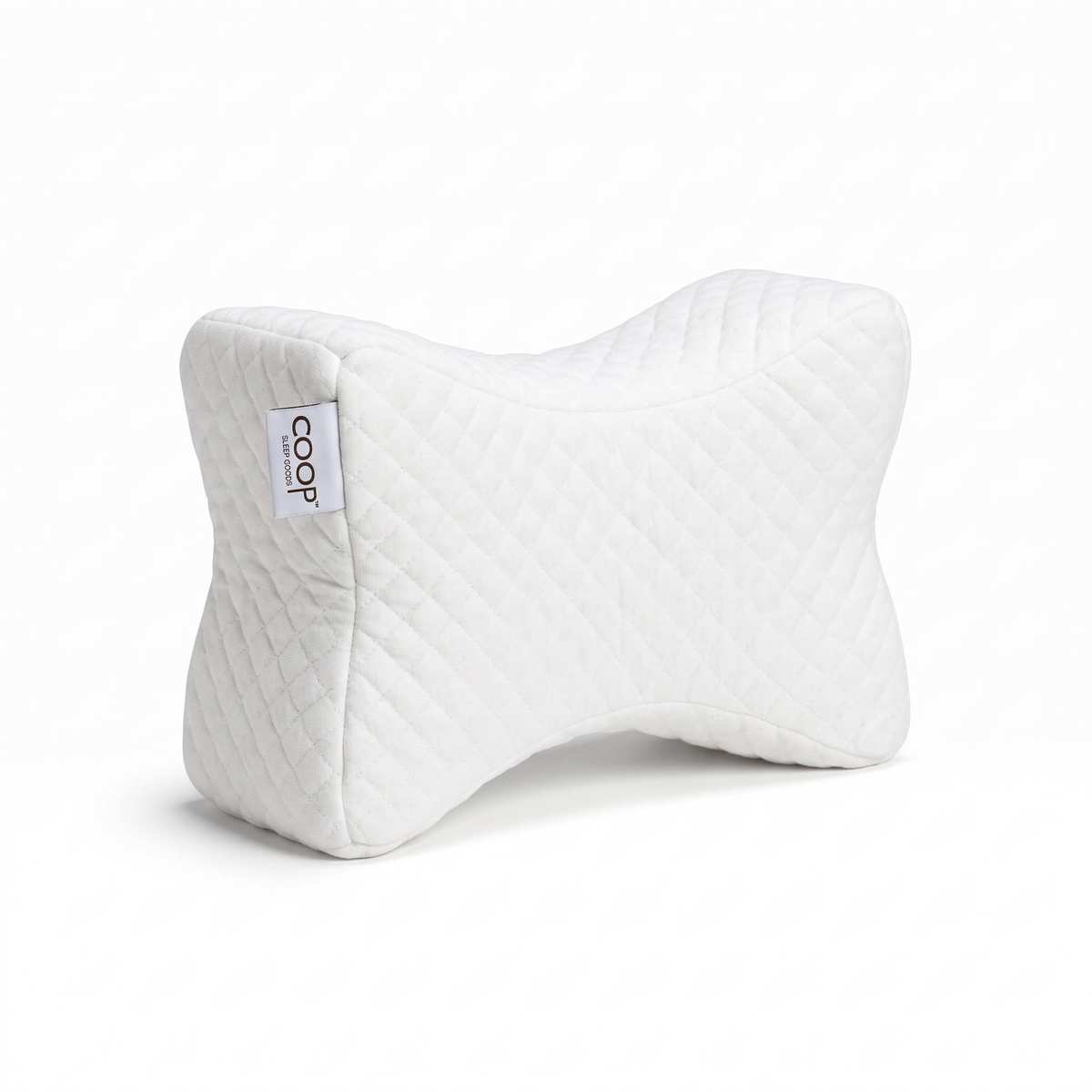
I include this because ‘orthopedic’ doesn’t stop at the neck — my spinal analysis says hip rotation from unsupported side-sleeping aggravates the lumbar region all night. The hourglass shape between the knees is the correct intervention for that specific problem. It’s not a head pillow; it’s here because the buying logic is the same.
This product addresses a different part of the spine entirely (the lumbar and pelvic regions rather than the cervical neck). Placed between the knees during side sleeping, this hourglass-shaped memory foam pillow physically prevents the upper leg from collapsing downward.
By keeping the knees separated, it stops the hip from rotating forward. This prevents the lower spine from being pulled out of alignment over an eight-hour sleep cycle, utilizing a mechanical correction distinct from anything a traditional head pillow can achieve.
Pros
- Prevents the hip rotation that causes severe morning lumbar and sciatic pain.
- Features an adjustable foam insert to change the thickness based on leg spacing.
Cons
- Requires active repositioning every time you roll over or change sides during the night.
- Can trap heat between the thighs for sleepers who run naturally warm.
What About Snoring and Positional Sleep Apnea?
The CPAP pick above solves mask compatibility for people already using a CPAP machine. It does not address positional snoring or mild sleep apnea in people who aren’t on CPAP therapy, which typically calls for a wedge pillow that elevates the upper body rather than a contoured head pillow. That’s a genuinely different product category with its own angle and firmness considerations, and it’s worth treating separately rather than forcing a wedge pillow into a head-pillow comparison where loft and cervical contour are the deciding factors. If snoring or suspected apnea is a nightly issue, a sleep study through a doctor is the step that actually identifies the cause, before any pillow purchase.
How to Estimate Your Own Loft Before You Buy
Every pick above lists a loft range, but the number that actually matters is specific to your body, not the product page. For side sleepers, the relevant measurement is the distance from the base of the neck to the outer edge of the shoulder, taken with a ruler held perpendicular to the neck while standing naturally, the same measurement method Tempur-Pedic uses to size its contoured pillow. That distance, roughly, is the compressed loft your pillow needs to hold once your head is resting on it; broader shoulders need more loft, narrower shoulders need less, and this holds true regardless of which brand or fill material you choose.
For back sleepers, there isn’t a single measurement to take in the same way, since the goal is a flatter profile that keeps the head level with the spine rather than tilted up or back. A rough starting point is a loft in the 3 to 4 inch range once compressed, adjusted based on how far your head naturally sits below the top of your shoulders when lying flat. Stomach sleepers should start even lower, often under 3 inches compressed, since any additional height extends the neck backward past a neutral line. In all three cases, an adjustable pillow removes most of the guesswork, since the correct loft can be found by trial rather than committed to sight unseen, which is part of why three of the seven picks above (Coop’s Original, the Eli & Elm Side Sleeper, and the CPAPMax 2.0) are adjustable-fill designs rather than fixed-shape ones.
How Loft Interacts With Your Mattress
None of the loft guidance above happens in isolation from what’s underneath the pillow. A softer mattress lets the shoulder and hip sink further, which effectively reduces the loft a side sleeper needs compared to the same person on a firm mattress, where the shoulder stays higher and the gap to fill is larger. You can use our pillow loft calculator to see exactly how your mattress firmness changes your target height. Anyone whose neck pain persists despite trying multiple pillow lofts is worth checking how pillow loft and mattress firmness interact before assuming the pillow itself is the wrong choice.

When a Pillow Isn’t the Fix
Worth repeating plainly, since it’s the least marketed fact in this entire category: the strongest available evidence found that a pillow swap did not meaningfully improve waking symptoms in people with confirmed cervical spine degeneration, even though the same pillow types helped a general population without that diagnosis. If neck pain is new, worsening, radiating down an arm, accompanied by numbness or weakness, or simply not improving after a genuine trial of correctly matched loft and firmness, that’s a signal to talk to a doctor or physical therapist rather than continue pillow shopping. A pillow can support a healthy sleep posture. It cannot diagnose or treat an underlying spinal condition, and no amount of “orthopedic” branding changes that.
The Real Takeaway
Loft matched to sleep position and shoulder width, and firmness that holds that loft through the night, are what the research actually ties to reduced strain, not the word “orthopedic” itself. The TEMPUR-Neck and Coop Sleep Goods picks above represent the two real approaches worth choosing between: a doctor-developed fixed contour sized to your measurements, or an adjustable fill you tune by hand. Everything else on this list, from CPAP compatibility to knee support for sciatica, solves a specific mechanical problem layered on top of that core choice. As pillow manufacturing keeps shifting toward more individualized fit (see the direction things are heading with custom 3D printed pillows), that same loft-and-firmness logic is likely to matter even more, not less.
FAQs
Do orthopedic pillows actually cure neck pain?
Orthopedic pillows reduce structural stress by keeping your cervical spine in a neutral position while you sleep. A properly fitted contour pillow allows damaged tissues to rest rather than bearing weight overnight. They cannot correct underlying medical conditions like severe scoliosis or herniated discs.
Why are orthopedic pillows so hard?
They use dense materials to prevent your head from sinking out of alignment during the night. Standard fluffy pillows fail to provide the rigid cervical support necessary for true pain relief. This firmness requires a physical adjustment period of up to two weeks for your body.
Should side sleepers use a neck roll pillow?
Side sleepers generally need a contoured block pillow rather than a simple cylindrical neck roll. Your pillow must bridge the entire gap from the mattress to your ear to maintain a neutral spine. Neck rolls lack the overall height required for broad-shouldered side sleepers.
Cervical angle only works at the right loft for your position. Our Pillows by Sleep Position section matches height to how you sleep.