Bearaby Cotton. That is the one I would buy first. Why? Sleep Foundation’s lab scored it 9.2 out of 10, and the weight comes from organic cotton yarn, not beads, not pellets, nothing synthetic holding it down. Want glass beads instead, and want to spend less? The Layla costs $119. That is the value pick on this list. And no matter which blanket you choose, the weight should sit near 10 percent of your body weight.
But will it actually help you sleep better? That is the real question. Brand names do not matter here. Results do. One controlled trial says yes, but only for a narrow group of people, and the wider evidence stays thin, so I compared four blankets the same way I compare everything here, by weight range, fill, cooling, and price, working from Sleep Foundation’s lab data and published research, because Brocia works from specs and studies rather than hands-on testing.
Does a weighted blanket actually improve sleep?
It might, for some people, and the best evidence we have comes from a single trial on a very specific group. Who did they test? Ekholm, Spulber, and Adler ran the trial, published in the Journal of Clinical Sleep Medicine. 120 patients. Four weeks. One group slept under a weighted metal chain blanket. The other got a light plastic chain blanket. And these were not ordinary sleepers. Every patient had insomnia plus a second diagnosis, major depressive disorder, bipolar disorder, ADHD, or generalized anxiety disorder.
An editorial in the same journal puts the comparison in plain terms, 8-kilogram weights sewn into the hems against 1.5-kilogram weights, and it asks for more work on the methodology the trial left open. Coverage of the results reports that insomnia remission reached 42.2 percent in the weighted group against 3.6 percent in the control group.
Those numbers describe chain blankets in psychiatric outpatients. They do not describe the bead-filled or knit blankets on sale today, and I found no published trial of any model in this guide. Sleep Foundation calls the research behind the purported benefits fairly inconclusive.
What weight should you buy?
Start with a blanket near 10 percent of your body weight, since Sleep Foundation puts the comfortable range for a healthy adult at 5 to 12 percent of body weight and built this table from that range.
| Blanket weight | Ideal sleeper weight | Acceptable sleeper range |
|---|---|---|
| 10 lbs | 100 lbs | 95 to 120 lbs |
| 12 lbs | 120 lbs | 110 to 144 lbs |
| 15 lbs | 150 lbs | 120 to 180 lbs |
| 20 lbs | 200 lbs | 160 to 240 lbs |
| 25 lbs | 250 lbs | 200 to 300 lbs |
The trial blankets sit in a similar range. Dr. Weil’s summary of the study says participants chose between blankets of about 17.6 pounds and 13.2 pounds, against a control of about 3.3 pounds. If you weigh under 130 pounds, that 17.6-pound blanket sits above the 12 percent ceiling, so treat the trial weights as background, not as a target to chase.
Here is the catch. The 10 percent rule is a starting point, not a law. Sleep Foundation says so itself. Hot sleepers, especially, may sleep better under something lighter. So buy one with a trial period. Too heavy? Send it back. That is the whole point of the trial.
Who should not use a weighted blanket?
Sound familiar? If any of these apply to you, skip the blanket. Or talk to a clinician first. Sleep Foundation’s list is long. Breathing disorders, asthma or COPD. Heart and circulation trouble, low blood pressure included. Type 2 diabetes. Obstructive sleep apnea. Claustrophobia.
Children need extra care. Sleep Foundation says blankets are generally safe for children at least 3 years old and 50 pounds, and that a blanket should not exceed 10 percent of the child’s weight. HGTV’s tested guide says blankets are not recommended for children under 5 or under 50 pounds. The two sources disagree on age, so ask a pediatrician before you buy for a child.
The Ekholm trial also had a downside. According to the Natural Medicine Journal’s summary, one patient withdrew early after reporting increased anxiety under the weighted blanket. One in 120 is rare, but it shows the blanket is not neutral for everyone.
Four weighted blankets, ranked by value for most sleepers
I ranked these by fabric breathability, weight options, and price. All scores and specs come from Sleep Foundation’s weighted blanket guide, updated September 21, 2026, and the scores are Sleep Foundation’s test lab ratings, not mine.
Disclosure: Brocia analyzes products using manufacturer specs and published research, not our own hands-on tests. If you buy through our links, we may earn a commission at no extra cost to you. It never affects our rankings or verdicts. See our Review Process and Affiliate Policy.
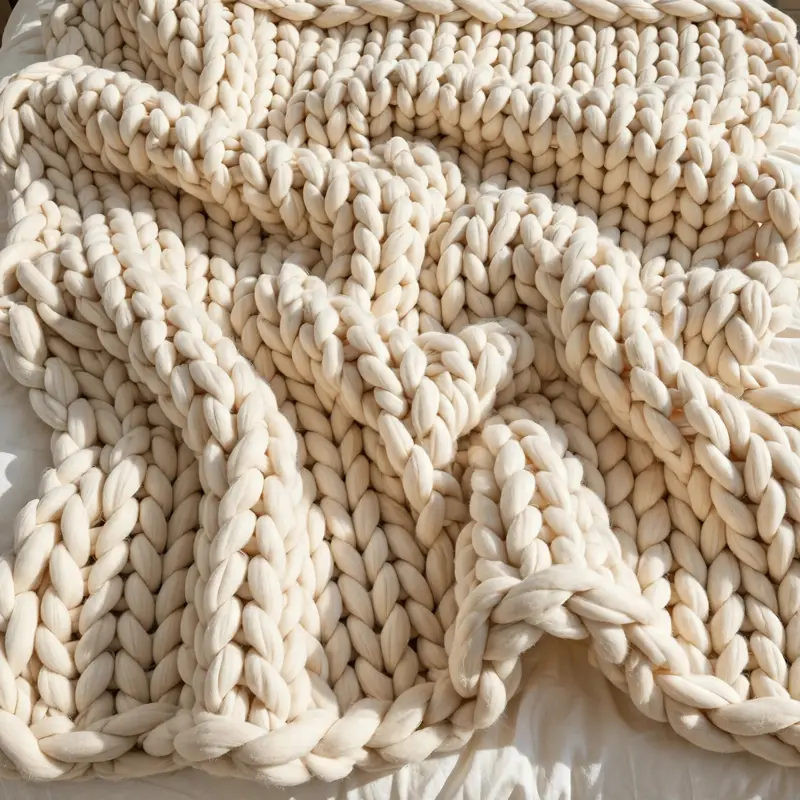
Best for: Warm sleepers who want weight without beads.
Pick this if you sleep warm and want weight without beads. Sleep Foundation gave it 9.2 and called it the best overall blanket in the test. Every bit of its weight is organic cotton yarn, and that is what keeps it breathable instead of stuffy. $179. Four weights. That is the price. Need a cover you can throw in the wash? This is not your blanket. Want a smooth, tailored look? Look elsewhere. The chunky knit is the whole point here, and it does not try to hide it.
| Specification | Bearaby Cotton Weighted Blanket |
|---|---|
| Lab score (Sleep Foundation) | 9.2 out of 10 |
| Fill | 100 percent organic cotton yarn |
| Weight options | 10, 15, 20, 25 lb |
| Price | $179 |
What is inside? Nothing but organic cotton yarn. Sleep Foundation confirms it for both fill and shell. No synthetic beads. No glass pellets. Nothing else. Four weights: 10, 15, 20, and 25 pounds. That range covers sleepers from roughly 95 to 300 pounds, if you follow the table above.
Why does it sleep cool? The knit. Open yarn means air moves through. No insulating batting. No trapped heat the way bead blankets trap it. The cost is a chunky look and a higher price per pound than the entry-level bead blankets below.
Pros
- Named best overall in Sleep Foundation’s lab.
- Open knit breathes instead of insulating like bead blankets.
- No beads, no pellets, so the weight cannot shift or leak out.
Cons
- Chunky knit. It will never look smooth or tailored.
- No removable cover you can machine-wash, so washing takes more effort.
~$179
Check Price at Bearaby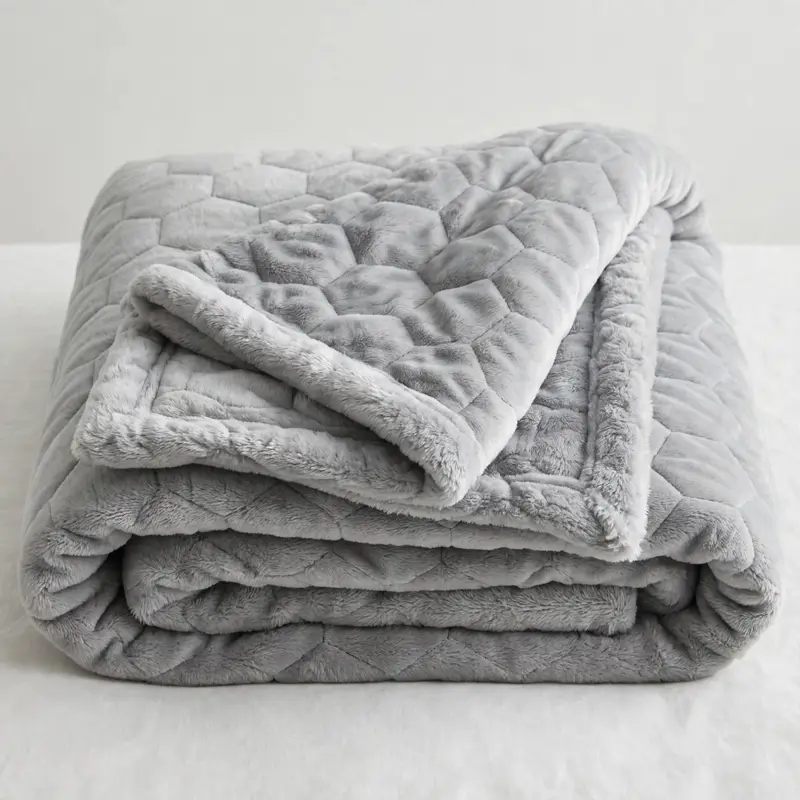
Best for: Glass-bead weight at the lowest price on this list.
Pick this if you want glass-bead weight at the lowest price on this list. $119. That is $41 to $80 less than the rest of this list. A real difference, not a rounding error. Sleep Foundation gave it 8.6. And the 20- and 25-pound sizes fit a queen bed, so two people can share one. Need anything under 15 pounds? You will not find it here. This blanket stops at 15.
| Specification | Layla Weighted Blanket |
|---|---|
| Lab score (Sleep Foundation) | 8.6 out of 10 |
| Fill | Glass microbeads |
| Shell | Cotton (300 thread count) and polyester minky |
| Weight options | 15, 20, 25 lb |
| Price | $119 |
The Layla uses glass microbeads inside a cotton (300 thread count) and polyester minky shell, per Sleep Foundation. Three weights: 15, 20, and 25 pounds. The shell flips, smooth on one side, plush on the other, and baffle-box quilting keeps the beads spread out.
The catch is the floor, not the ceiling. 15 pounds is the lightest this blanket goes. Under about 125 pounds? That 15-pound blanket pushes past the 12 percent ceiling. So this one fits mid-to-heavier adults.
Pros
- Cheapest on this list. $119.
- Flip the shell. Smooth one side, plush the other. Two feels, one blanket.
- Queen-bed sizes, 20 and 25 lb, so two people can share.
Cons
- Nothing under 15 lb, which locks lighter sleepers out.
- Built for mid-to-heavier adults. Lighter sleepers, look elsewhere.
~$119
Check Price at Layla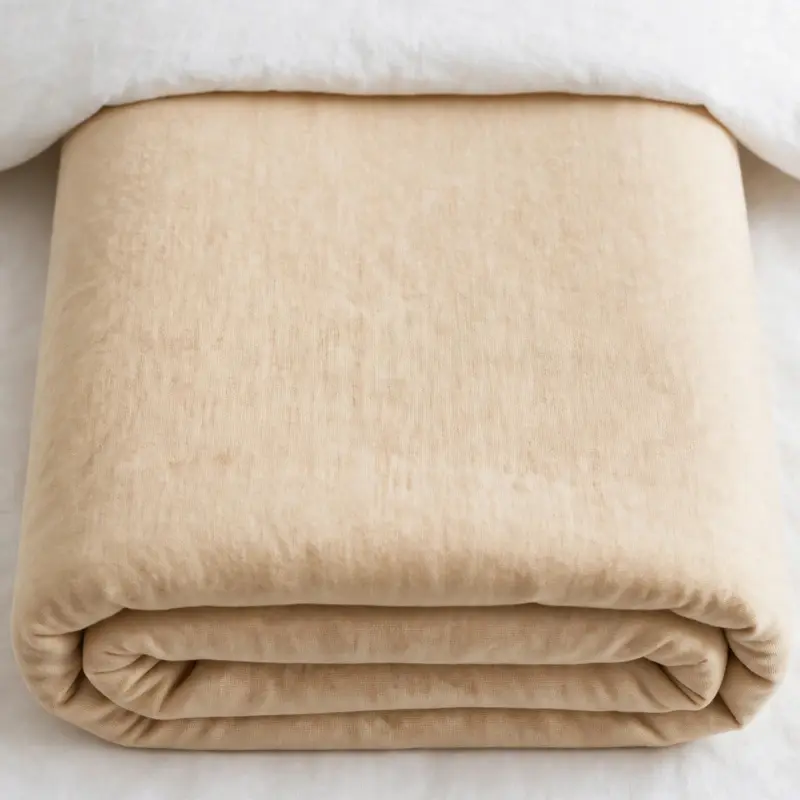
Best for: A blanket you can wash that still sleeps cool.
Washing matters? Cooling matters? This one does both at once. Sleep Foundation scored it 8.8 and gave it the best cooling award, which is notable for a bead blanket. It costs $160 and comes in four weights, from 8 to 25 pounds. Skip it if you would rather have the all-cotton feel of a knit, because this one is a bead blanket through and through.
| Specification | Luxome Removable Cover Weighted Blanket |
|---|---|
| Lab score (Sleep Foundation) | 8.8 out of 10 |
| Fill | Glass beads and polyester batting |
| Cover | Polyester minky or bamboo-derived lyocell, removable |
| Weight options | 8, 15, 18, 25 lb |
| Price | $160 |
Inside: glass beads and polyester batting, held in a 100 percent cotton inner blanket. Outside: a cover you can remove, polyester minky or bamboo-derived lyocell. Four weights, 8, 15, 18, and 25 pounds, and the 8-pound option starts lighter than anything else here. The lyocell cover is the cooler choice, and some models are two-sided so you can switch.
The removable cover is what makes this blanket practical. You wash the cover on its own and spot-treat the insert, which is easier to live with than washing a 25-pound blanket whole.
Pros
- Sleep Foundation’s best cooling award for a bead blanket.
- The removable cover washes on its own.
- Starts at 8 lb, the lightest entry point here.
Cons
- The insert itself is spot-treat only.
- It costs $41 more than the Layla, so the washable cover is what you are paying extra for.
~$160
Check Price at Luxome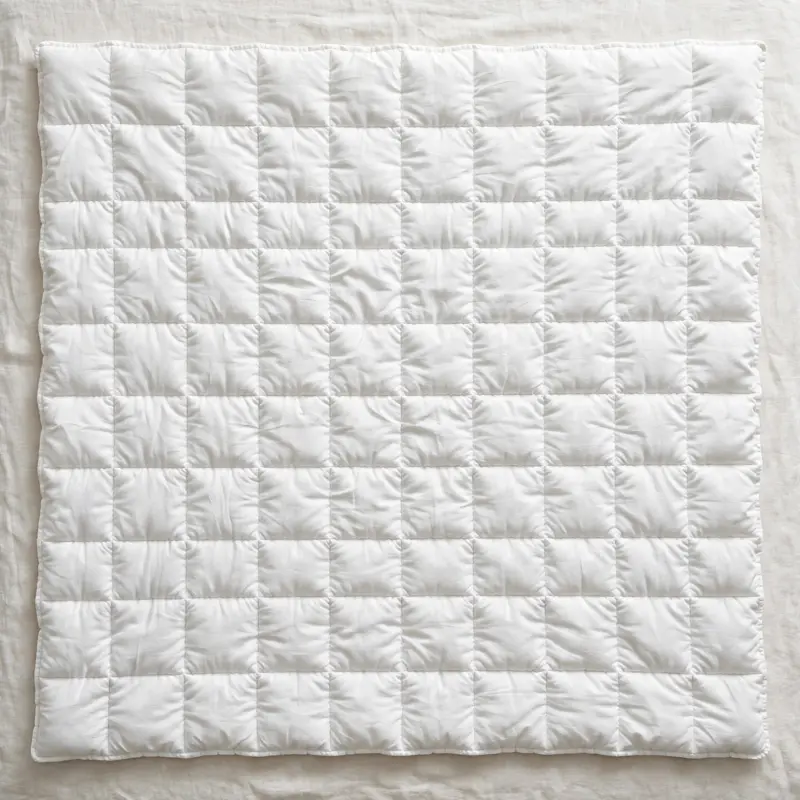
Best for: the widest choice of sizes and weights, including options for lighter sleepers.
Pick this one if you want the most size and weight choices, plus a long warranty behind the purchase. It scored 8.3, the lowest on this list, and costs $199. Sleep Foundation says it comes in three sizes and four weights from 12 to 25 pounds, backed by a lifetime warranty. Skip it if price per point of score matters most.
| Specification | Baloo Weighted Blanket |
|---|---|
| Lab score (Sleep Foundation) | 8.3 out of 10 |
| Fill | Glass microbeads with cotton batting |
| Weight options | 12, 15, 20, 25 lb |
| Sizes | Three |
| Price | $199 |
| Warranty | Lifetime |
The Baloo uses glass microbeads with cotton batting and a cotton shell. Sleep Foundation notes double-stitched baffles that keep beads from shifting. The 12-pound option is the lowest weight of the three bead blankets here, which helps lighter sleepers.
At $199 it costs $80 more than the Layla while scoring lower in the lab, which is why I put it fourth. It still earns its spot for lighter sleepers who need a 12-pound option and want a lifetime warranty with it.
Pros
- 12 lb. The lightest option here for people who need a lower starting weight.
- Beads stay put. Double-stitched baffles hold them in place.
- A lifetime warranty backs it.
Cons
- Lowest lab score on this list at 8.3.
- Costs $80 more than the Layla for a lower score.
~$199
Check Price at BalooWhat the specs reveal
The table compares what Sleep Foundation discloses for the four picks.
| Blanket | Test lab score | Price | Fill | Weight options | Best for |
|---|---|---|---|---|---|
| Bearaby Cotton | 9.2 | $179 | Organic cotton yarn | 10, 15, 20, 25 lb | Hot sleepers |
| Layla | 8.6 | $119 | Glass microbeads | 15, 20, 25 lb | Budget |
| Luxome Removable Cover | 8.8 | $160 | Glass beads, polyester batting | 8, 15, 18, 25 lb | Washing and cooling |
| Baloo | 8.3 | $199 | Glass microbeads, cotton batting | 12, 15, 20, 25 lb | Lighter sleepers |
For reference, Sleep Foundation’s highest score in this guide, 9.5, went to the Silk & Snow Hand-Knitted Weighted Blanket at $245, which offers a 100-night return window and weights from 8 to 25 pounds.
Price tracks weight options and construction more than it tracks lab score. The cheapest scored 8.6. The cooler Luxome scored 8.8. A tenth of a point. That is how small the gap is, and fit matters more than that.
Contrarian reality: weighted blankets are not proven to treat insomnia
The claim: weighted blankets are clinically proven to fix insomnia. Marketing leans on the Ekholm trial, but the trial’s scope is narrow.
The participants were psychiatric outpatients with insomnia and a diagnosed disorder. The blankets were metal chain blankets of roughly 13 to 18 pounds, and the journal’s own editorial asks for more methodological work. Sleep Foundation calls the wider research fairly inconclusive, and a trial of heavy chain blankets says nothing about how a 15-pound bead blanket behaves for a healthy sleeper.
So how do I read it? A comfort product. Promising, early evidence. Not a treatment. Insomnia that will not quit? A clinician has options with far more evidence behind them. And keep the room cool. The complete guide to sleep environment tools shows how.
How to test a weighted blanket at home
Use a sleep trial and track results. Why a trial? Sleep Foundation says so. Too light or too heavy, and the blanket goes back. It should not sit in a closet. Two weeks, minimum. The first nights feel odd. That is normal under this much weight.
What should you watch? Three things. How fast you fall asleep. How often you wake. Whether you overheat. The guide to the best AI sleep apps covers tools that log those. Waking up hot? Check how to keep your pillow cold at night and the best cooling pillows for night sweats. Pillow and blanket trap heat together.
Winter changes the math. A weighted blanket can replace a heavier duvet. The best bedding for winter shows what to layer under it. And for a calming routine to go with it, see the best essential oils for sleep.
Questions about weighted blankets
What weight weighted blanket should I buy?
Roughly 10 percent of your body weight. That is the starting point. Sleep Foundation puts the comfortable range at 5 to 12 percent for healthy adults. A 150-pound sleeper? 15 pounds. A 200-pound sleeper? 20 pounds.
Are weighted blankets too hot?
Yes, they can be, and it comes down to what is inside the blanket. Bead blankets with batting insulate, while knit cotton blankets breathe. For cooling, Sleep Foundation picked the Luxome and its bamboo-derived lyocell cover. The other cool option is the all-cotton Bearaby, open knit, no beads.
Can two people share a weighted blanket?
Some sizes allow it. Sleep Foundation says the Layla’s 20- and 25-pound sizes match queen mattresses, so sharing works with those. Testing one as a couple? Both of you need to clear the 10 percent weight threshold. That is the rule to watch.
When should I see a clinician before buying one?
Asthma? COPD? Low blood pressure? Circulation problems? Type 2 diabetes? Sleep apnea? Claustrophobia? Any child? Ask first. Insomnia lasting more than a few weeks? See a clinician. One last thing. This is product guidance. Not a diagnosis. A weighted blanket does not treat a sleep disorder.
Can my child use a weighted blanket?
Ask a pediatrician first. Sleep Foundation says blankets are generally safe for children at least 3 years old and 50 pounds, and the blanket should not exceed 10 percent of the child’s weight. HGTV’s guide says not recommended under 5 or under 50 pounds. The two sources disagree on age, so ask a pediatrician before you buy for a child.