You flip the pillow at 2 a.m because the near-surface temperature has climbed enough to interrupt the body’s core cooling process. The “cool side” works for a few minutes . But it’s borrowed time. The real question is what the fill material is doing between midnight and 6 a.m, not what it feels like when you first lay your head down.
The head is the body’s primary heat-dissipation surface during sleep. Peripheral vasodilation routes blood to the scalp and face to shed core heat, a mechanism documented in NCBI’s clinical methods resource on fever and thermoregulation. A dense, low-airflow pillow traps that heat at the point where your body is actively trying to shed it. That’s the mechanical failure this article is designed to solve.
Why Most “Cooling” Pillows Stop Working Before Morning
Phase-change materials (PCMs) are the dominant technology in mainstream cooling pillows right now. The mechanism is real: microencapsulated wax-like compounds absorb heat as they transition from solid to liquid, pulling warmth away from the skin surface. Research from Universitat Politecnica de Catalunya found that PCM-embedded textiles can reduce skin temperature by 1.3-2.5°C during initial contact and for the first 30-60 minutes of sleep. Once the PCM reaches thermal equilibrium. Once its molecules have absorbed as much energy as they can hold. The buffering effect stops until the material cools and resets.
For a mild hot sleeper, that window may be enough to get past sleep onset (when core body temperature is actively dropping) without disruption. For someone with genuine night sweats. Where the thermal event hits at 2 a.m or 3 a.m A PCM cover does most of its work before the problem even starts.
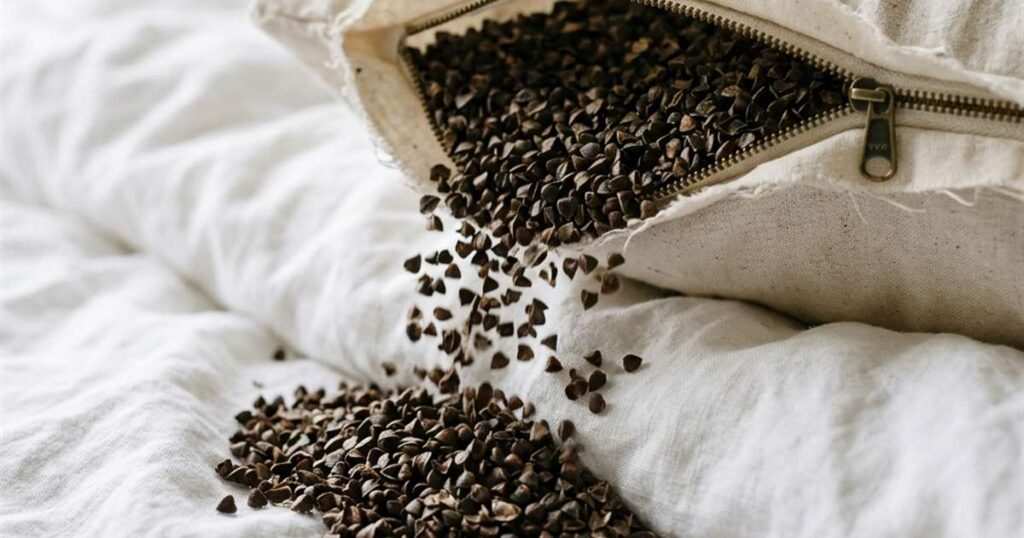
The alternative is passive high-airflow fills: buckwheat hulls, shredded latex, ventilated latex grid constructions. These don’t absorb heat on a charge-and-discharge cycle. They move air continuously, which means the cooling mechanism is structural rather than time-limited. The trade-off is feel. Buckwheat is firm and audible. Shredded latex is springy rather than plush. Understanding that trade-off is what separates a well-matched pillow from an expensive disappointment.
The 7 Best Cooling Pillows for Night Sweats
These 7 picks are ranked by how their fill materials manage heat and moisture across the full night. Not by first-touch feel.
Disclosure: Brocia analyzes products using manufacturer specs and published research, not our own hands-on tests. If you buy through our links, we may earn a commission at no extra cost to you. It never affects our rankings or verdicts. See our Review Process and Affiliate Policy.
Pros
- Continuous open-air channels across full surface
- Solves heat retention and support simultaneously
Cons
- Non-adjustable fill
- Not for those needing a plush, sinking feel
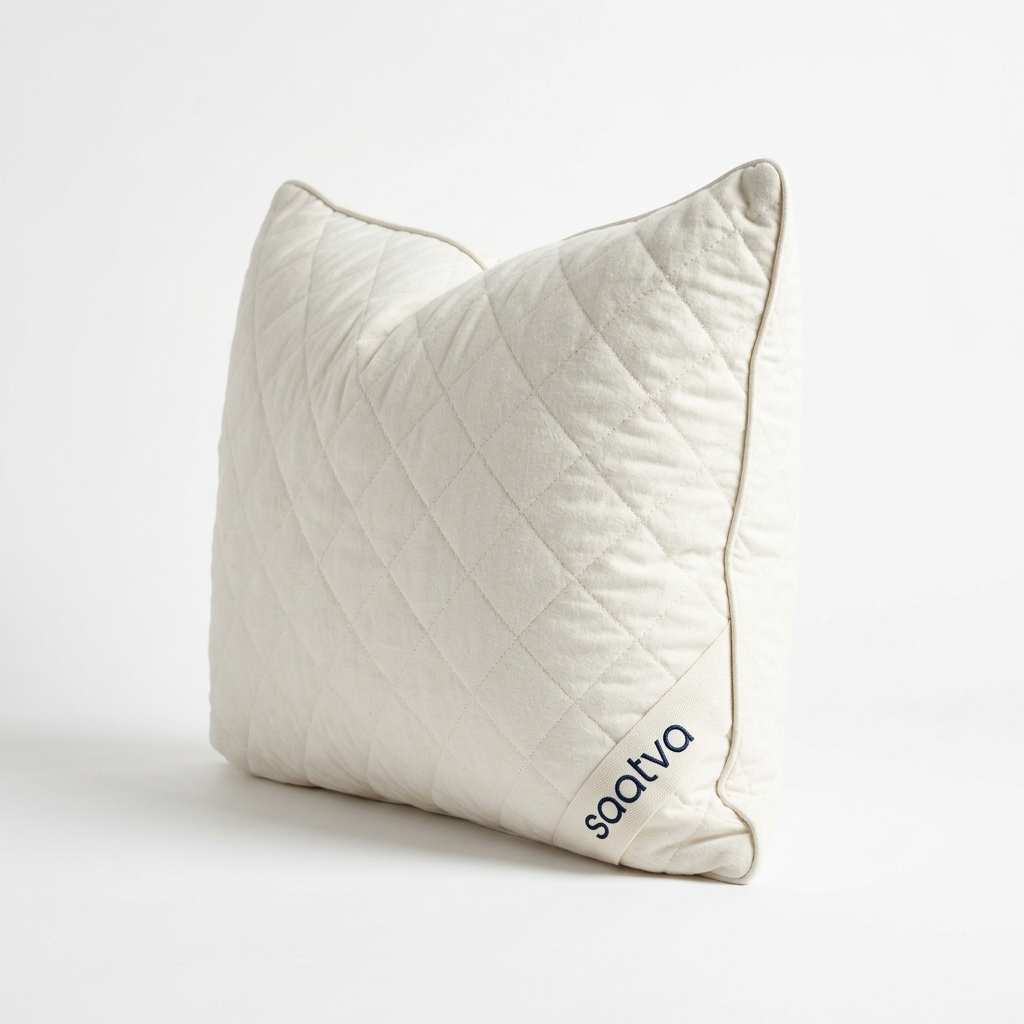
Pros
- Shredded core runs cooler than solid memory foam
- Outer microdenier layer adds plushness
Cons
- Fixed loft options (must select correctly upfront)
- Not as ventilated as buckwheat or Purple’s grid
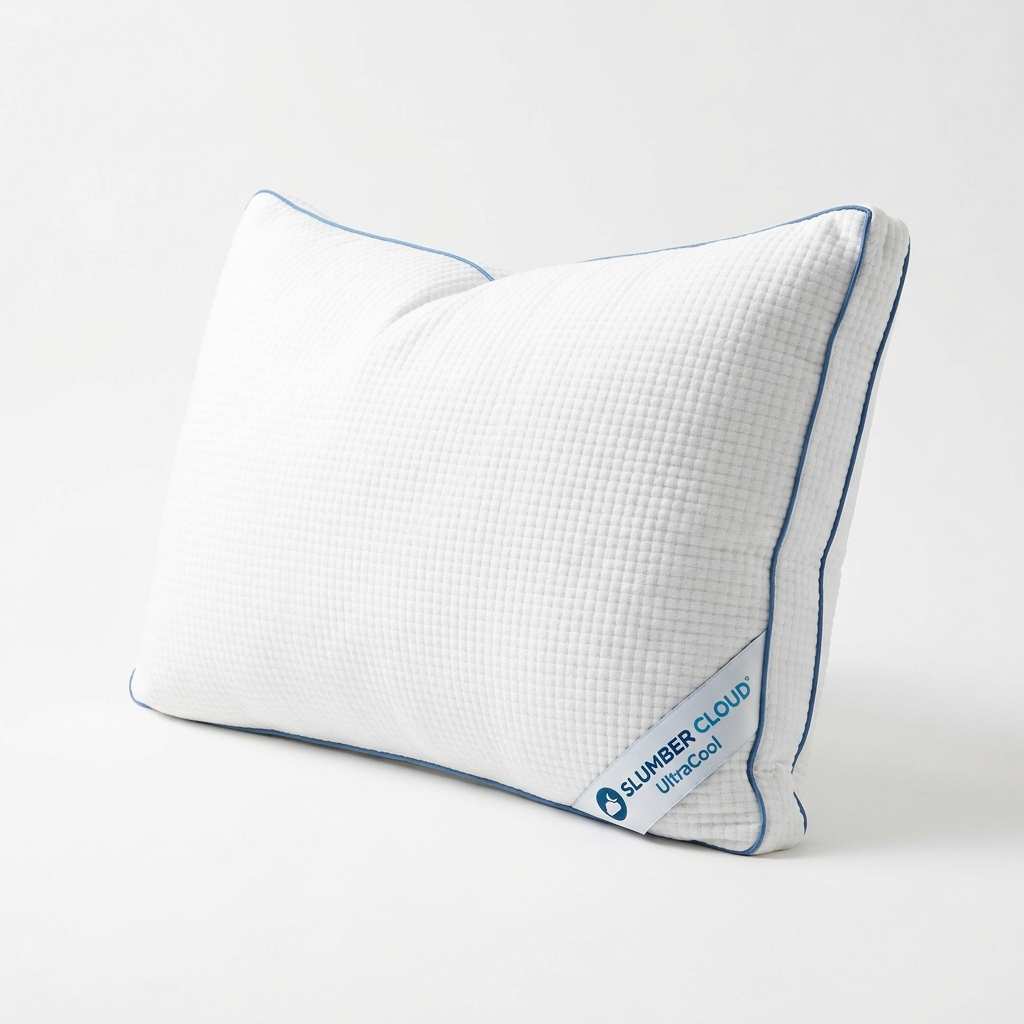
Pros
- Outlast PCM coating proactively manages heat at sleep onset
- Cost-effective for mild sweaters
Cons
- Active cooling reaches equilibrium in 30–60 minutes
- Standard polyester fill lacks structural airflow
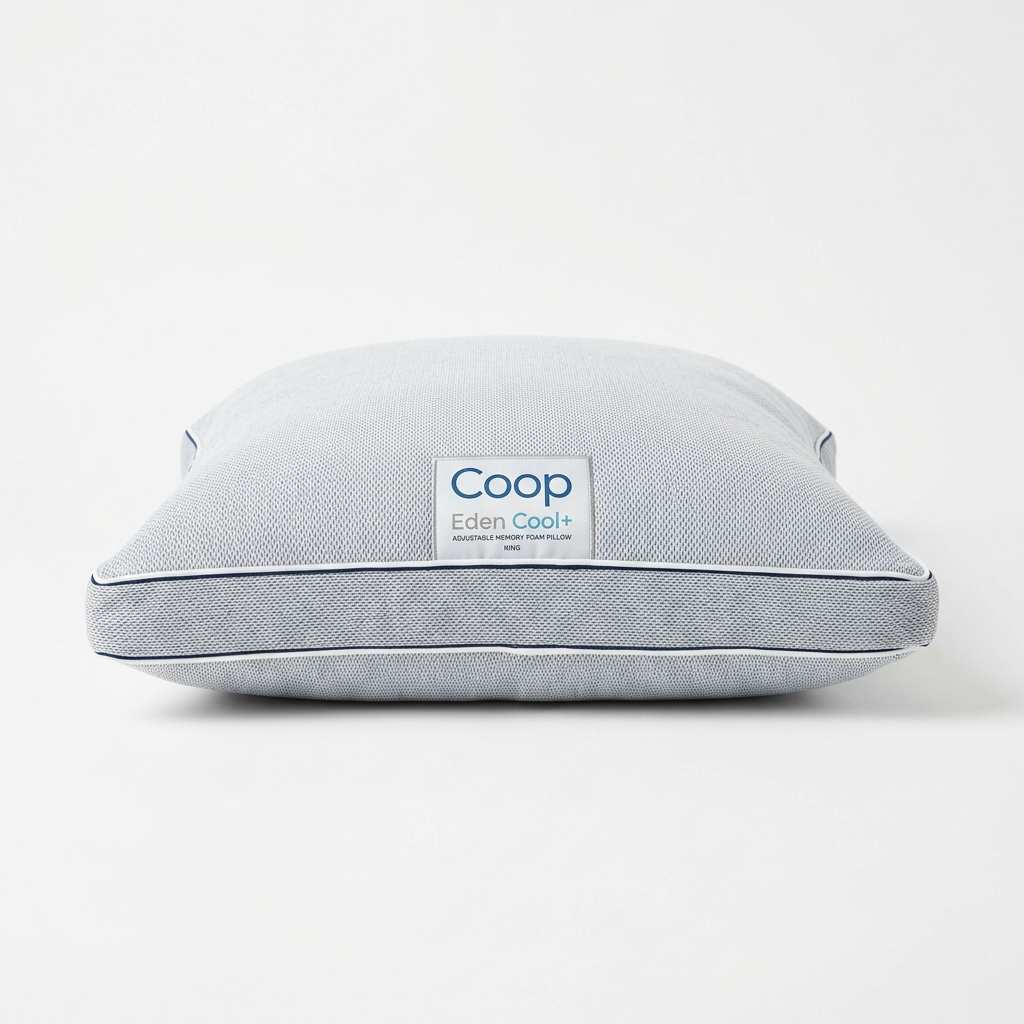
Pros
- Fully adjustable loft to match shoulder width
- Gel-infused foam sleeps cooler than standard memory foam
Cons
- Cooling effect diminishes as gel approaches skin temperature
~$109
Check Price on Coop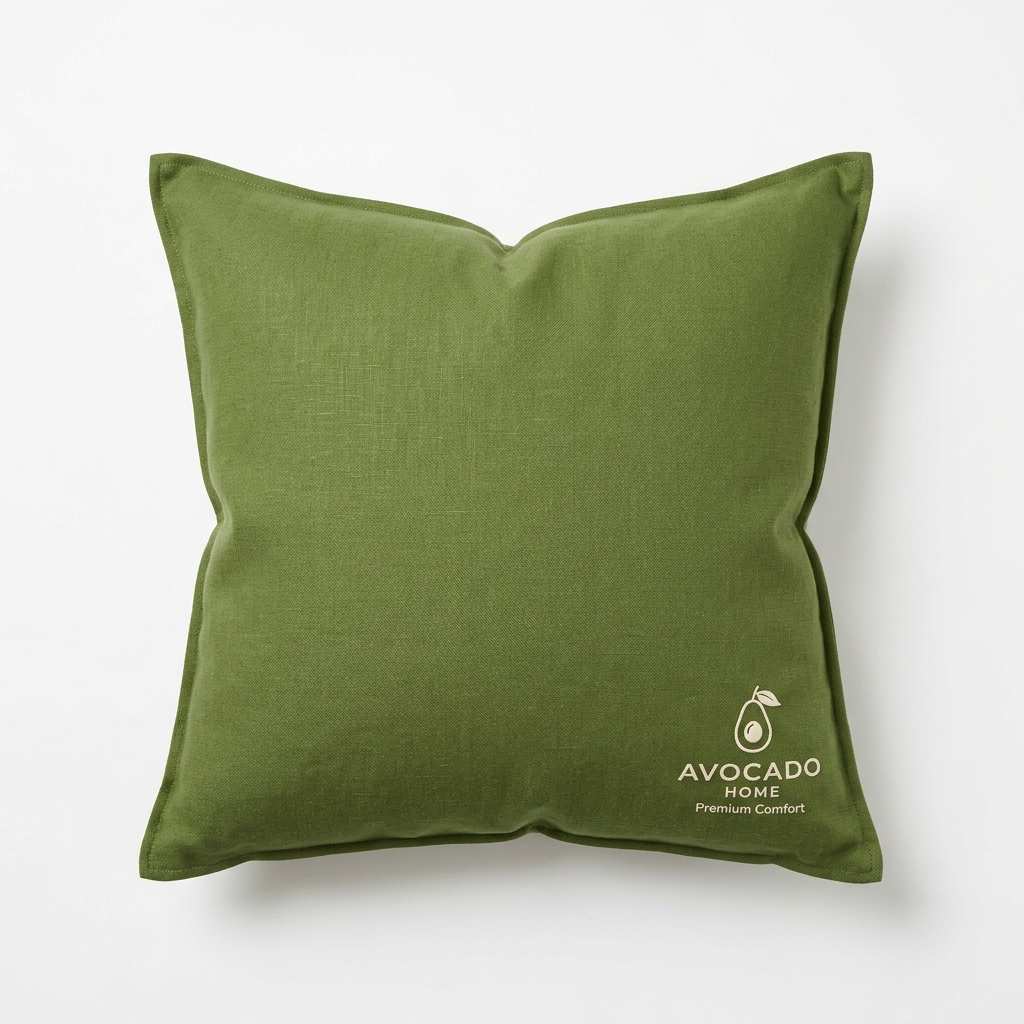
Pros
- Open-cell latex allows double-pathway ventilation
- Fully organic materials (GOLS & GOTS)
Cons
- Less refined feel compared to microdenier options
- Narrower loft range
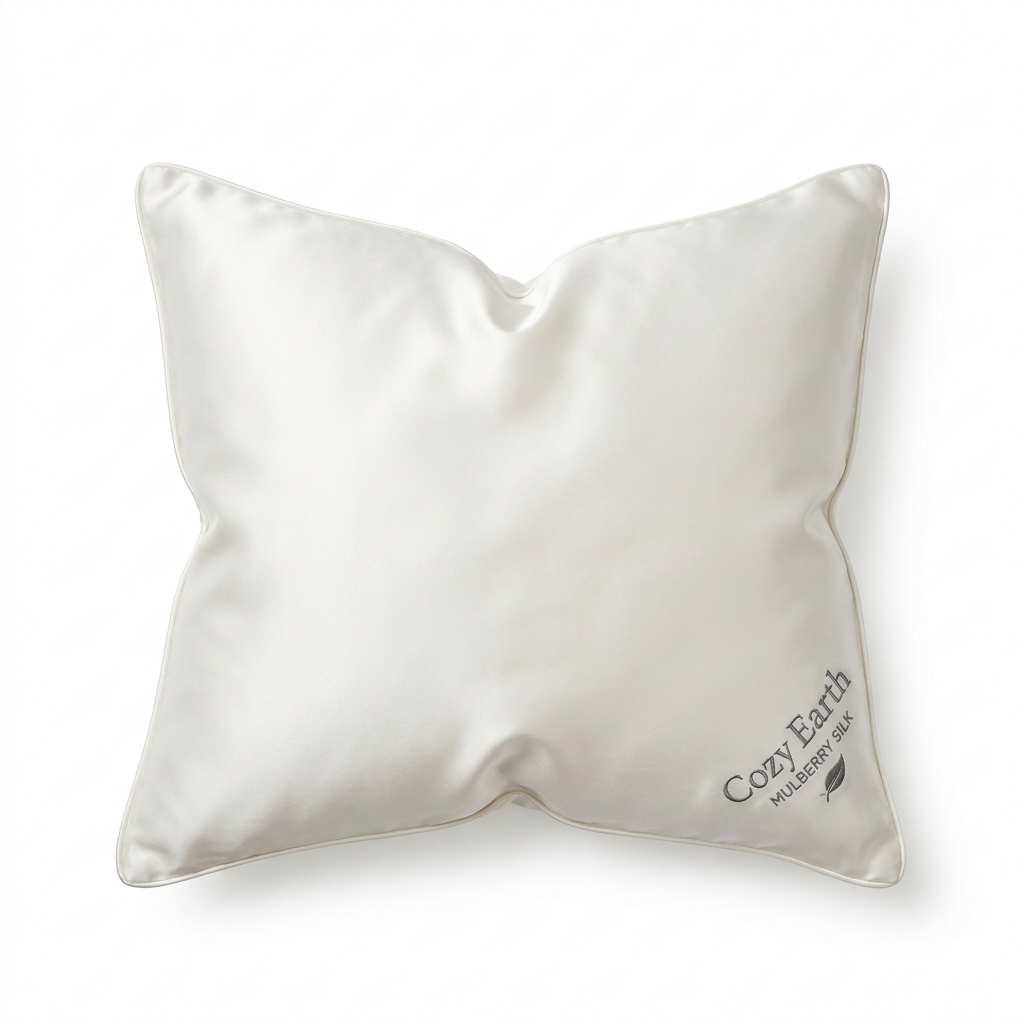
Pros
- Wicks and releases moisture to keep sleep surface drier
- Excellent for sensitive skin and clamminess
Cons
- Passive cooling only (moisture management)
- May lack support for broad-shouldered side sleepers
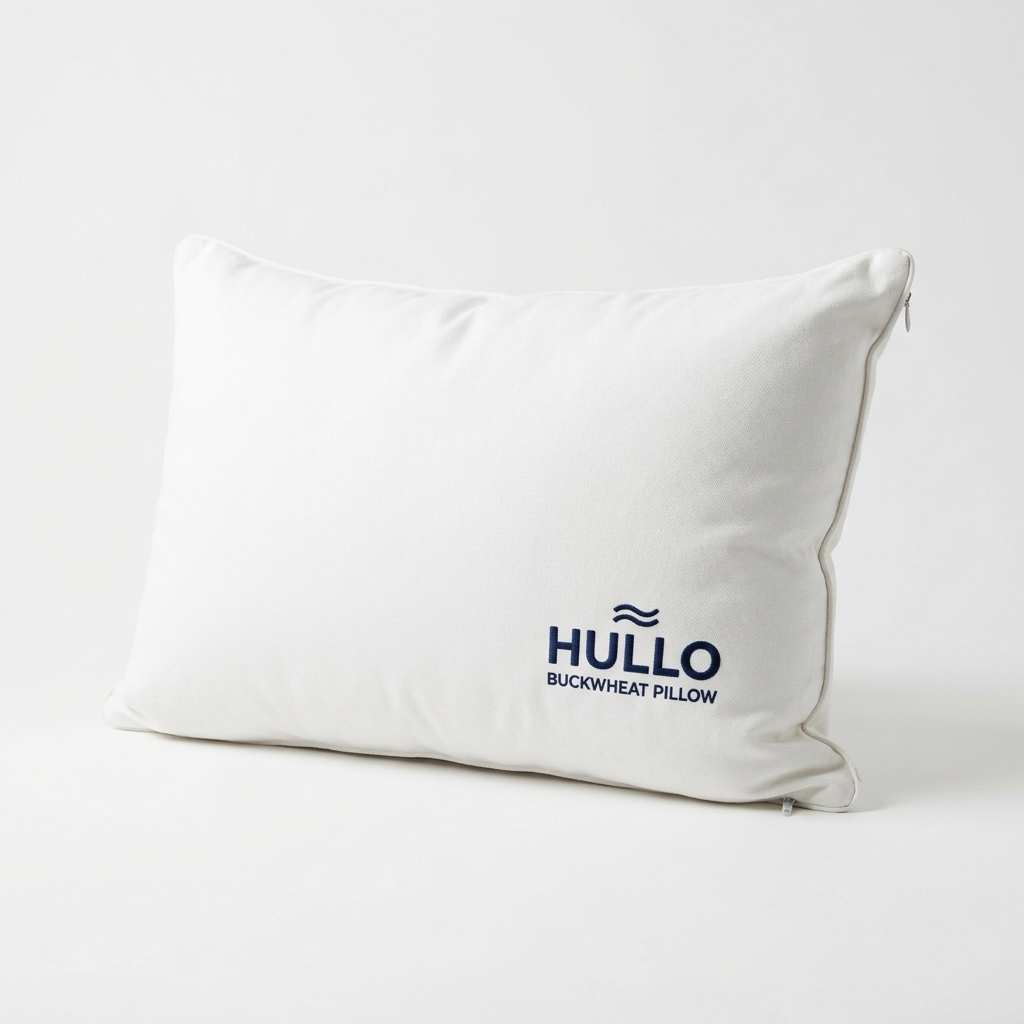
7. Hullo Buckwheat Pillow
✓ Spec-verified
Pros
- Highest sustained airflow of any fill
- Structural support never compresses or traps heat
Cons
- Extremely firm and non-negotiable
- Audible rustling sound from hulls
What the Specs Reveal: Passive vs. Active Cooling
Every cooling pillow on this list uses one of two mechanisms. Or both. The distinction determines how long the cooling effect lasts.
Active / time-limited cooling (gel, PCM) absorbs a fixed quantity of heat before reaching thermal equilibrium. Research from Universitat Politecnica de Catalunya documented a 1.3-2.5°C skin temperature reduction from PCM textiles during initial contact and the first 30-60 minutes. After that window, the material needs to cool and reset before the mechanism runs again.
Passive / continuous cooling (buckwheat hulls, open-cell latex, ventilated grid) relies on moving air rather than storing heat. Because air is always moving, there is no equilibrium ceiling. The mechanism does not degrade within a single night’s use.
Most sleepers who wake soaked at 2 a.m are experiencing the gap between these two approaches. They bought a gel or PCM pillow that was genuinely cool at bedtime and genuinely ineffective four hours later.
| Pillow | Mechanism | Duration | Feel |
|---|---|---|---|
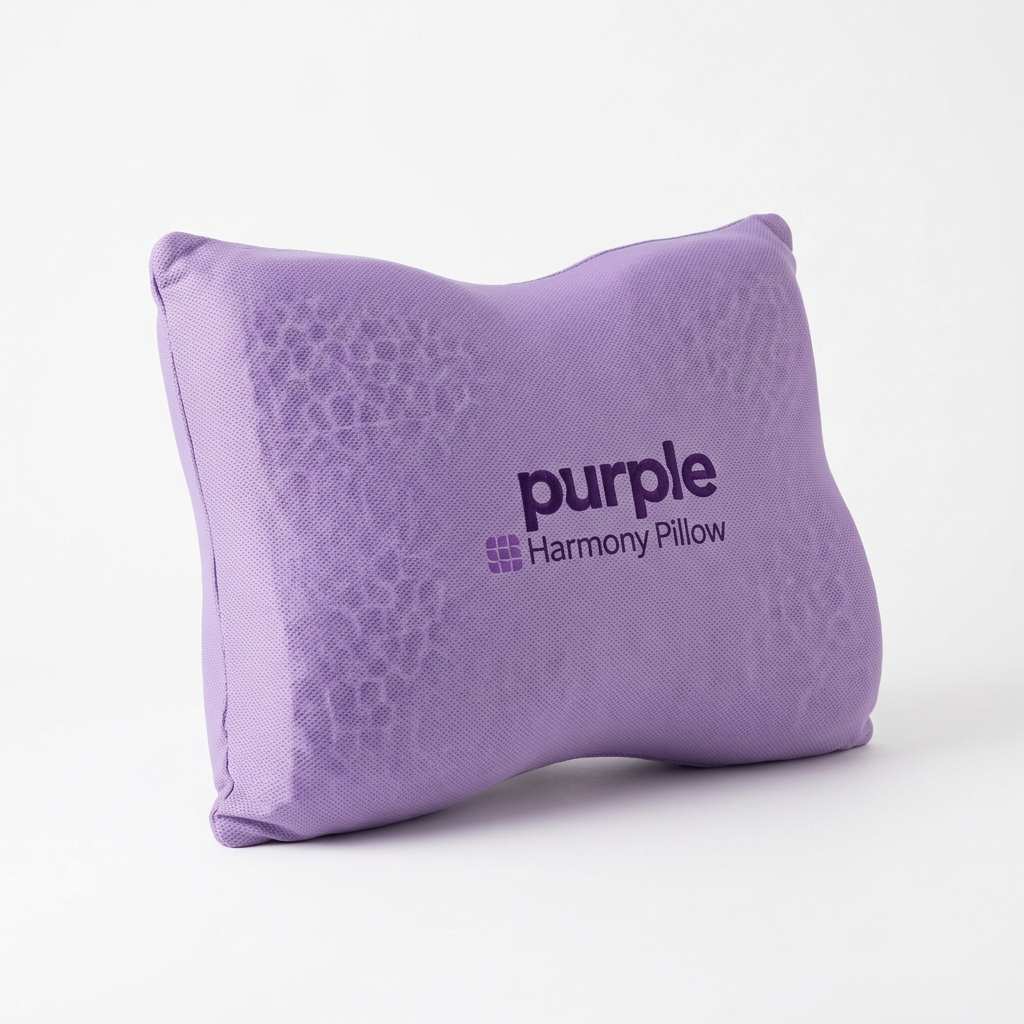
| Purple Harmony | Passive (grid + latex airflow) | Continuous | Responsive, medium-firm |
| Saatva Latex | Passive (open-cell shredded latex) | Continuous | Plush-supportive |
| Slumber Cloud UltraCool | Active (Outlast PCM cover) | 30-60 min per cycle | Soft, traditional |
| Coop Eden Cool+ | Active (gel-infused foam) | Diminishes at equilibrium | Adjustable, plush |
| Avocado Shredded Latex | Passive (open-cell shredded latex) | Continuous | Medium-firm, adjustable |
| Cozy Earth Silk | Passive (moisture management) | Continuous | Soft, low-loft |
| Hullo Buckwheat | Passive (structural hull airflow) | Continuous | Firm, adjustable |
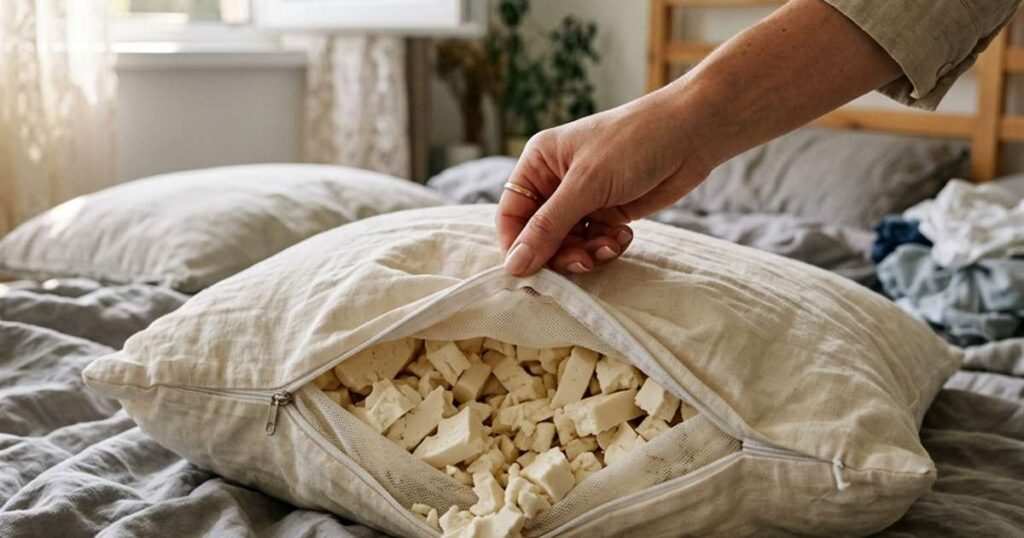
The Myth That’s Making You Sweat More: Bamboo vs. Silk Covers
Standard advice in this category recommends “bamboo covers” as the cooling solution. The reality is more specific, and the distinction matters for night sweaters.
Bamboo-derived viscose (the fiber used in most “bamboo” pillows) has micro-gaps in its fiber structure that pull moisture away from the skin. Active wicking. Silk, by contrast, is a protein fiber with a tighter weave that retains moisture near the surface rather than pulling it away. For someone whose primary problem is clamminess from mid-night sweating, a bamboo-cover pillow will keep the sleep surface drier. For someone who wants skin-protective friction reduction and only mild sweating, silk performs better.
The problem is that neither cover material fixes a fill that traps heat. A bamboo cover over a solid memory foam core is still a hot pillow. The cover handles the moisture at the skin interface; it cannot compensate for a fill that doesn’t move air. Both mechanisms need to work together. When manufacturers market bamboo cooling pillow as a single feature, they’re describing only half the system.
Frequently Asked Questions
Why do my memory foam cooling pillows get hot in the middle of the night?
Dense polyurethane foam lacks the open-cell structure needed to dissipate trapped body heat. Once the top layer of cooling gel reaches your skin temperature of around 91 degrees, the foam acts as an insulator. You need a material with high thermal conductivity and airflow. Be aware that even breathable pillows fail if your room temperature stays above 72 degrees.
Do buckwheat pillows actually keep you cool or are they just hard?
Buckwheat hulls create thousands of tiny air pockets that allow constant ventilation right against your scalp. They physically cannot trap heat the way synthetic foams do. Most users report a permanent drop in sleep temperature within three nights. You do have to adjust to the distinct crunching sound the hulls make when you shift positions.
Are latex pillows better than memory foam for severe night sweats?
Natural Talalay latex stays significantly cooler because its aerated structure promotes continuous airflow. Latex responds to pressure instantly without needing body heat to soften. A 100% natural latex core will out-cool any standard gel foam on the market. Just avoid synthetic latex blends which tend to trap moisture and heat.
Do cooling pillows actually work for night sweats?
It depends on the mechanism. Structural airflow fills, buckwheat, shredded latex, ventilated grid, work continuously by moving heat away from the head rather than storing it. PCM and gel options work well at sleep onset but reach thermal equilibrium mid-night. For mid-night sweating, the fill type matters more than any surface coating.
What is the best pillow fill for night sweats?
Buckwheat hulls provide the highest continuous airflow. Shredded Talalay latex is the best mid-range option that balances airflow with a conventional feel. PCM covers (like Outlast) are best for light sweating concentrated at sleep onset.
Is bamboo or silk better for night sweats?
Bamboo-derived viscose wicks moisture away from the skin faster due to the micro-gaps in its fiber structure. Silk retains moisture closer to the skin surface, making it better for skin hydration and friction reduction but less effective for active sweating. For night sweats, a bamboo cover over an airflow fill is the stronger combination.
How long does a cooling pillow stay cool?
PCM-based pillows provide documented cooling for 30-60 minutes before reaching thermal equilibrium, then reset as the room cools the material. Passive airflow fills (buckwheat, shredded latex, open-grid constructions) maintain cooling throughout the night with no reset required.
Can a pillow help with menopausal night sweats?
A pillow cannot treat the underlying hormonal cause of menopausal hot flashes. Hot flashes are a thermoregulatory phenomenon, a peripheral vasodilation response documented in the clinical literature , and readers with diagnosed vasomotor symptoms should consult a clinician before relying on a product intervention. A structurally cooling pillow (buckwheat or ventilated latex) can reduce the discomfort of the heat event when it occurs, but it does not address the cause. Reader guidance: if night sweats are frequent, disruptive, and accompanied by other symptoms, speak with a physician before purchasing bedding solutions.
Night-sweat cooling comes down to fill behavior. Our Pillow Materials guides compare what each material does with heat and moisture.