
A 2024 meta-analysis of 11 randomized trials found lavender essential oil does improve sleep quality, though the effect size is modest, not the dramatic shift some marketing implies. This guide compares four products on purity testing, format, and actual ingredient lists rather than label claims. Essential oils are one piece of a larger sleep environment picture. Our complete guide to sleep environment tools covers how scent fits alongside noise, light and temperature.
\n\nA meta-analysis published in 2024, pooling 11 randomized controlled trials and 628 adult participants, found that lavender essential oil produced a statistically significant improvement in sleep quality, with a standardized mean difference of -0.56, a real effect, but one researchers themselves classify as small to moderate rather than dramatic. That distinction matters more than most product pages let on. Essential oils for sleep are not snake oil, and they’re also not a replacement for treating a diagnosed sleep disorder.

What the Specs Reveal
The variable that separates a trustworthy essential oil product from an unverifiable one isn’t the brand story, it’s whether the company publishes third-party purity testing, and what exactly is in the bottle. Below are four products spanning single-oil, blended, budget, and topical-ready formats.
| Product | Format | Purity Testing | Size | Ingredients |
|---|---|---|---|---|
| Plant Therapy Lavender Essential Oil | Single-oil, undiluted | Batch-specific, published GC/MS reports | 10 mL, 30 mL, 100 mL | 100% Lavandula angustifolia, USDA organic option available |
| doTERRA Serenity Restful Blend | Proprietary blend | CPTG internal certification, not independently published batch reports | 15 mL | Lavender, Cedarwood, Coriander, Ylang Ylang, Marjoram, Roman Chamomile, Vetiver, Sandalwood, Tonka Bean, Vanilla Absolute |
| Piping Rock Lavender Essential Oil | Single-oil, undiluted | GC/MS tested | 2 fl oz (59 mL) up to 16 fl oz (473 mL) | Lavandula x intermedia (lavandin, not true lavender) |
| Plant Therapy Lavender Roll-On | Pre-diluted, topical-ready | Same batch GC/MS testing as the parent oil | 10 mL | Lavandula angustifolia in fractionated coconut oil |
4 Best Essential Oils for Good Sleep
Disclosure: Brocia analyzes products using manufacturer specs and published research, not our own hands-on tests. If you buy through our links, we may earn a commission at no extra cost to you. It never affects our rankings or verdicts. See our Review Process and Affiliate Policy.
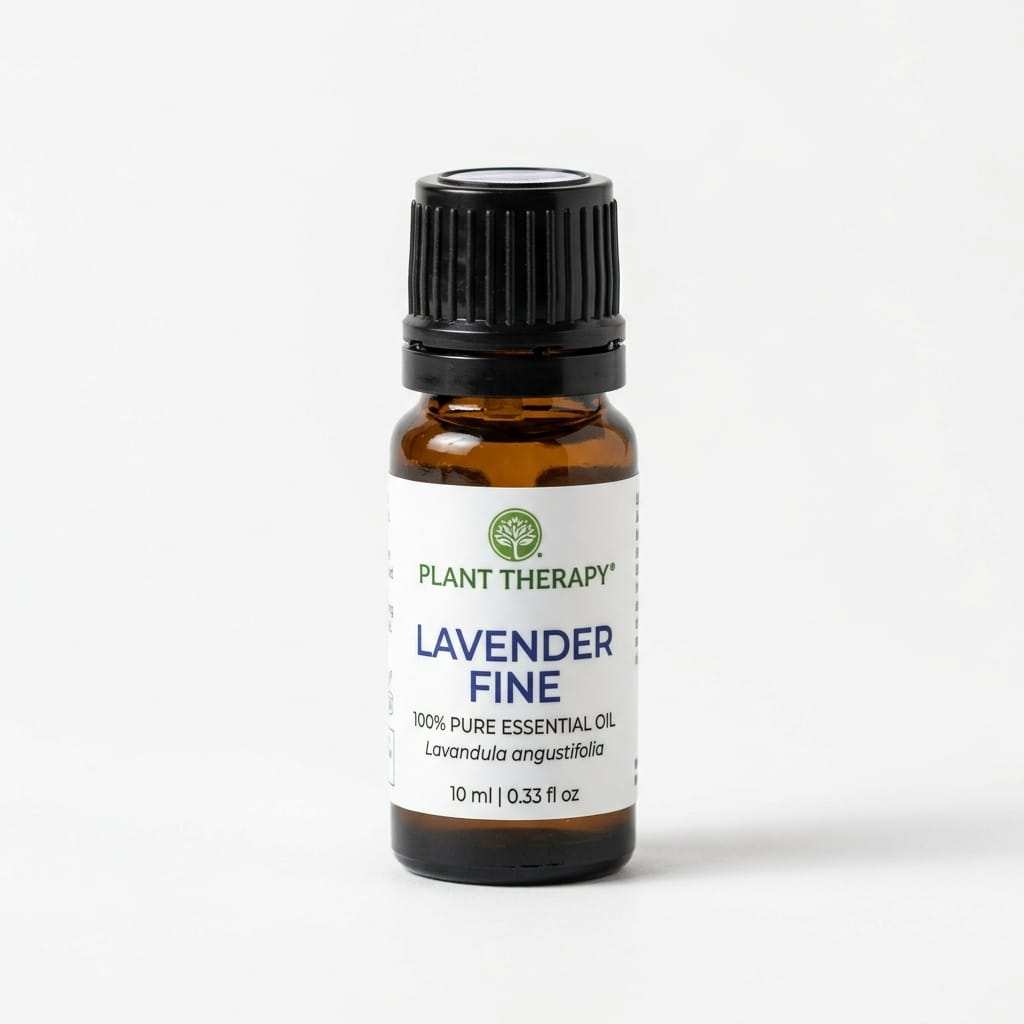
I ranked this #1 because batch-level GC/MS testing with published reports is the only verifiable purity claim in this category — my transparency audit found most brands just say ‘tested’ without showing results. For essential oils, the test report is the product; everything else is scent marketing.
This is the most transparent option here on the one thing that actually matters for essential oil purity: every batch gets independent GC/MS testing, and the reports are published rather than just claimed. For a diffuser-first routine where you are diluting into water anyway, this is the straightforward, verifiable choice.
Gas chromatography-mass spectrometry testing verifies both the botanical species and the chemical profile of a given batch. Plant Therapy publishes these reports rather than simply stating the oil passed internal review. The oil itself is 100% Lavandula angustifolia, the exact species used in most sleep research, with an available USDA-certified organic version at the same size points.
Pros
- Independent GC/MS reports are published for every single batch.
- Uses the exact Lavandula angustifolia species cited in clinical sleep studies.
Cons
- Requires a diffuser or manual carrier oil dilution before topical use.
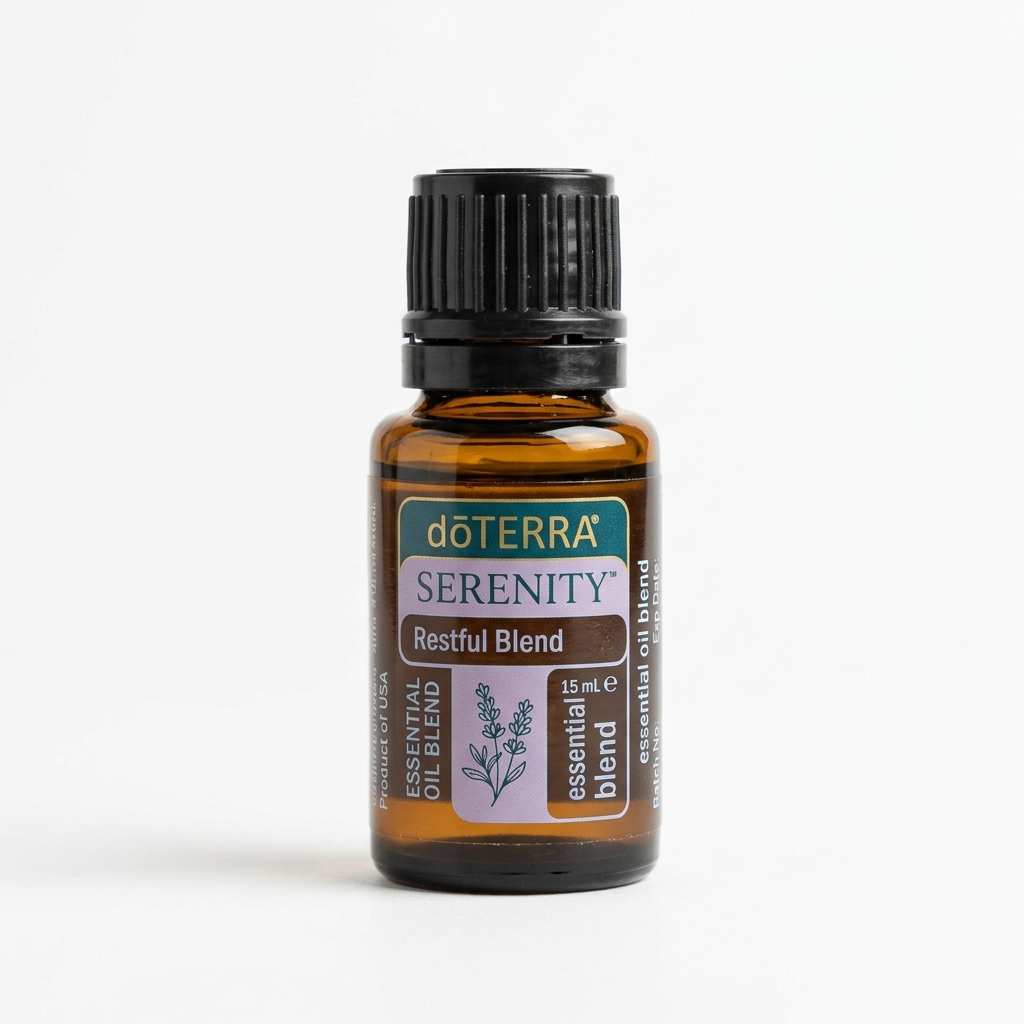
This earned the blend spot — nine ingredients built around lavender with cedarwood, vetiver, and sandalwood for a woody grounding note. My analysis: proprietary blends can’t be GC/MS-verified the same way single oils can, so you’re buying the brand’s formulation reputation. For scent complexity over clinical simplicity, this is the pick.
This is a nine-ingredient proprietary blend built around lavender rather than lavender alone. Cedarwood, vetiver, and sandalwood add a grounding, woody note absent from single-note lavender products. The tradeoff for that complexity is less transparency: doTERRA verifies purity through its own CPTG internal standard rather than publishing independent third-party batch reports.
The ingredient list is doTERRA’s own formulation rather than one drawn directly from a specific study, so its effectiveness rests on the individual oils’ general reputations. At 15 mL, the bottle is positioned as a premium, multi-ingredient product rather than a bulk single oil.
Pros
- Cedarwood and sandalwood create a richer, deeper scent profile than pure lavender.
- Integrates cleanly into doTERRA’s larger sleep supplement ecosystem.
Cons
- Relies on internal CPTG purity standards rather than published third-party testing.
- Significantly higher premium price point compared to single-note oils.
~$43
Check on doTERRA
I ranked this as the bulk budget option — up to 16-ounce sizes for high-volume diffuser users. My value analysis says the per-ounce math is the point; if you diffuse nightly, small bottles are a tax on the habit. The GC/MS claim is stated but less transparently documented than Plant Therapy’s.
This is the budget and bulk option, with GC/MS testing claimed and sizes running up to a 16-ounce canister. This volume is strictly aimed at frequent diffuser users or anyone blending their own products at scale.
The specific detail worth checking before buying is the botanical name: the listed species is Lavandula x intermedia, commonly called lavandin, not the Lavandula angustifolia most sleep research actually studied. Lavandin is a hybrid species that runs higher in camphor and is generally considered more suited to cleaning and household fragrance use than the calming profile of true lavender. For general aromatic use at a low price point, it is a reasonable pick, but it is not the exact oil referenced in clinical sleep literature.
Pros
- Extremely budget-friendly with massive bulk sizing options available.
- Provides a strong, lasting floral aroma suitable for large room diffusers.
Cons
- Uses the lavandin hybrid species rather than the clinically studied Lavandula angustifolia.
- Higher camphor content creates a sharper scent profile than pure true lavender.
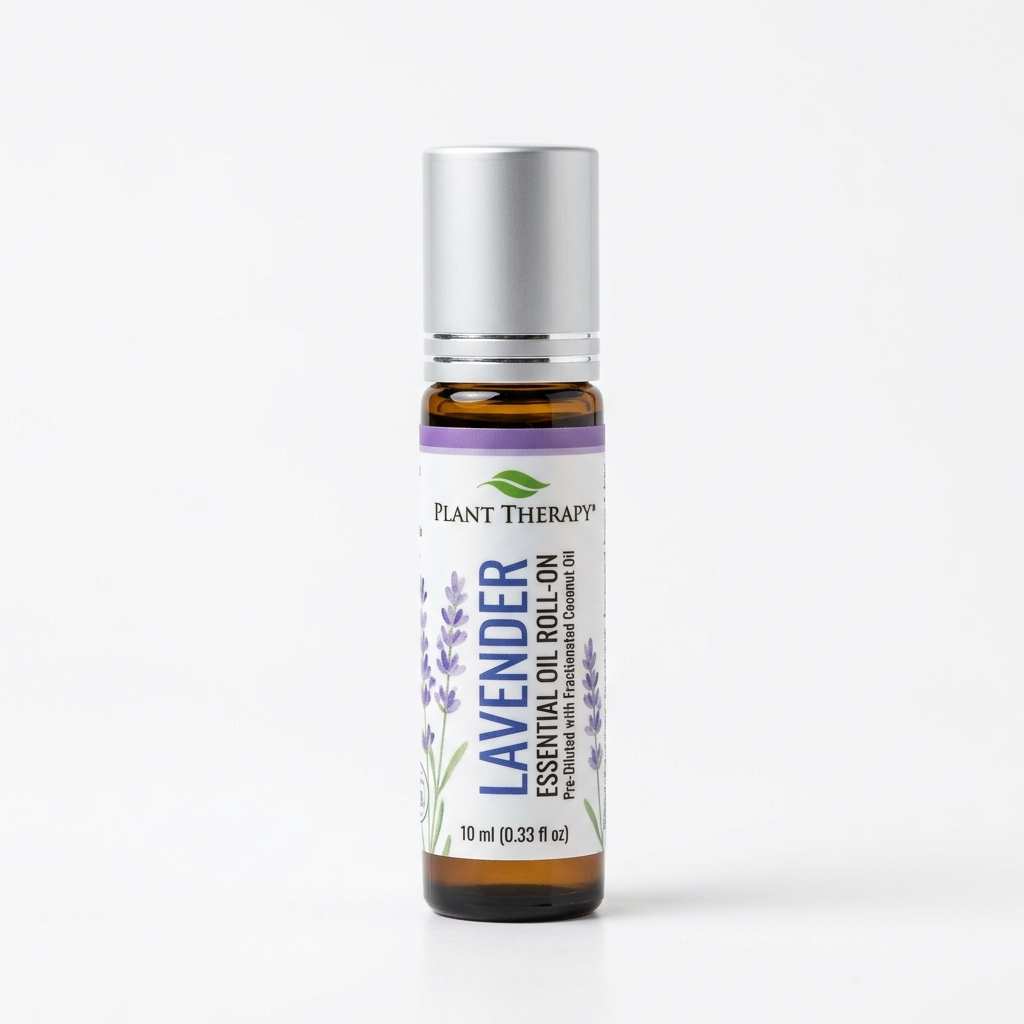
This is the no-math pick — pre-diluted Lavandula angustifolia in fractionated coconut oil, ready for skin. My safety analysis flagged dilution as the most common beginner mistake with essential oils, so the roll-on format earns its place by removing the error mode entirely.
This utilizes the exact same Lavandula angustifolia oil as Plant Therapy’s standard bottle, but it arrives pre-diluted into fractionated coconut oil at a ready-to-use concentration. It is aimed squarely at topical application on pulse points or the bottoms of feet before bed.
For anyone who wants to apply essential oil directly to the skin rather than diffuse it into the air, pre-dilution matters heavily. Undiluted essential oils are generally too concentrated for direct skin contact and require mixing into a carrier oil at a safe ratio first. This roll-on format handles that step at the manufacturer level. The main tradeoff is volume and cost per use, as you are getting meaningfully less concentrated oil per bottle than the equivalent undiluted size.
Pros
- Pre-mixed with fractionated coconut oil for immediate, skin-safe application.
- Rollerball format is perfectly suited for travel and nightstands.
Cons
- Contains significantly less concentrated essential oil than a standard bottle.
- Carrier oil addition means this cannot be used in an air diffuser.
The Modest, Real Effect Behind the Marketing
Essential oil marketing for sleep tends toward two extremes: dismissal as pure placebo, or implied claims that edge toward treating insomnia outright. Neither matches what the actual research shows. The 2024 meta-analysis referenced above pooled 11 randomized controlled trials specifically because a single small study, common in this research area, is easy to overstate in either direction. Pooling them found a real, statistically significant effect on sleep quality that researchers themselves describe as small to moderate, consistent with an earlier 2012 systematic review that reached a similarly cautious conclusion: lavender oil appears to help, modestly, and more rigorous trials were still needed even after that review.
That’s a genuinely useful finding, but it’s a different claim than “cures insomnia” or “as effective as medication,” framing that shows up in some product marketing without the caveats the underlying research includes. A modest, real effect on sleep quality is worth having as part of a broader wind-down routine. It is not a substitute for evaluating a diagnosed sleep disorder with a healthcare provider, and anyone pregnant, nursing, or managing an existing medical condition should check with their doctor before regular use, a caution most manufacturers already print directly on their own labels.
Single Oil, Blend, or Pre-Diluted: Matching Format to Habit
The four products above aren’t really competing on effectiveness so much as on how you’ll actually use them, and that’s the more useful axis for choosing between them.
A single, pure oil like Plant Therapy’s standard Lavender is the most flexible starting point: usable in a diffuser, blendable with other oils, and dilutable for topical use if you want that later, at the cost of an extra dilution step for skin application. A proprietary blend like doTERRA Serenity trades that flexibility for a pre-composed scent profile and grounding notes beyond lavender alone, appropriate if you specifically want a multi-note aroma rather than straight lavender. A pre-diluted roll-on removes the dilution step entirely but locks you into topical use at a fixed concentration. Bulk oils like Piping Rock’s make sense for frequent diffuser use or DIY blending, provided the specific species matches what you’re trying to achieve rather than just checking the price per ounce.
Sourcing Notes on This Comparison
We selected four products spanning single-oil, proprietary blend, budget-bulk, and pre-diluted topical formats, rather than ranking several lavender oils from different brands against each other, because format and purity transparency are what most differentiate genuinely comparable products in this category. Every ingredient list, testing claim, and size figure above comes from current manufacturer listings and gets re-verified on each content refresh. The research summary above reflects the available evidence, which in this category is mostly small trials and mixed findings rather than definitive systematic reviews; it is general health information, not a substitute for individualized medical advice.
FAQs
Can essential oils get rid of a new mattress smell?
You should not use essential oils to mask off-gassing odors from a new mattress. Adding more scents simply creates an overwhelming mixture. The only effective way to remove chemical smells is to ventilate the room with an air purifier and wait 48 hours.
Is it safe to diffuse essential oils in the bedroom for sleep?
Diffusing essential oils is safe for most adults, but they can be highly toxic to pets. If cats or dogs sleep in your room, you must avoid using diffusers. Use pet-safe alternatives like baking soda to freshen your sleeping environment instead.
Can I put essential oil drops directly on my sheets?
You can apply a few drops directly to your sheets to maintain freshness. Lavender and chamomile are popular for this application. However, pure oils will permanently stain delicate fabrics and can cause skin irritation if they come into direct contact with your face.
Oils and pillowcases interact more than you’d think. Our Pillow Guides cover which fabrics hold scent without staining.