
There is no universally safe pillow loft. Stomach sleepers need roughly 2 to 3 inches, back sleepers need 3 to 5 inches, and side sleepers need 5 to 7.5 inches or more depending on shoulder width. We match one pillow to each position, plus one adjustable option for anyone who moves between positions overnight.
Grabbing a medium loft pillow because it sounds like a safe middle-ground choice is one of the most common mistakes in pillow shopping, and it’s backward. The correct loft for a pillow isn’t a personal preference on a soft-to-firm scale, it’s a measurement problem: how far does your head actually need to travel to keep your spine level, given your sleep position and your body. A side sleeper’s shoulder can put 5 to 7.5 inches of distance between the mattress and where their head needs to sit; a stomach sleeper needs closer to 2 to 3 inches or their neck bends backward all night. “Medium” splits the difference and serves neither well.
What the Specs Reveal
Loft, not firmness or fill type, is the number that most directly maps to sleep position, because it’s a geometry problem: the pillow needs to fill the exact gap between the mattress and the natural resting angle of the head and neck for that position. Below are four pillows chosen because each is documented, by the manufacturer or independent testing, to serve a specific position well.
| Pillow | Best For | Loft | Fill/Material |
|---|---|---|---|
| Purple Harmony Pillow (Medium or Tall) | Side sleepers | 6.5″ (Medium) or 7.5″ (Tall) | Talalay latex core with GelFlex Grid |
| TEMPUR-Neck Pillow (Small/Medium/Large) | Back sleepers | 3.5″ to 4.75″ depending on size | TEMPUR-Material memory foam |
| Stomach sleeper | Stomach sleepers | 2″ to 3″ | Low-loft foam or compressible down alternative |
| Coop Home Goods Original Adjustable: Combination Sleepers | Combination sleepers | Adjustable via add/remove fill | Cross-cut memory foam and microfiber |
4 Best Pillows by Position
Disclosure: Brocia analyzes products using manufacturer specs and published research, not our own hands-on tests. If you buy through our links, we may earn a commission at no extra cost to you. It never affects our rankings or verdicts. See our Review Process and Affiliate Policy.
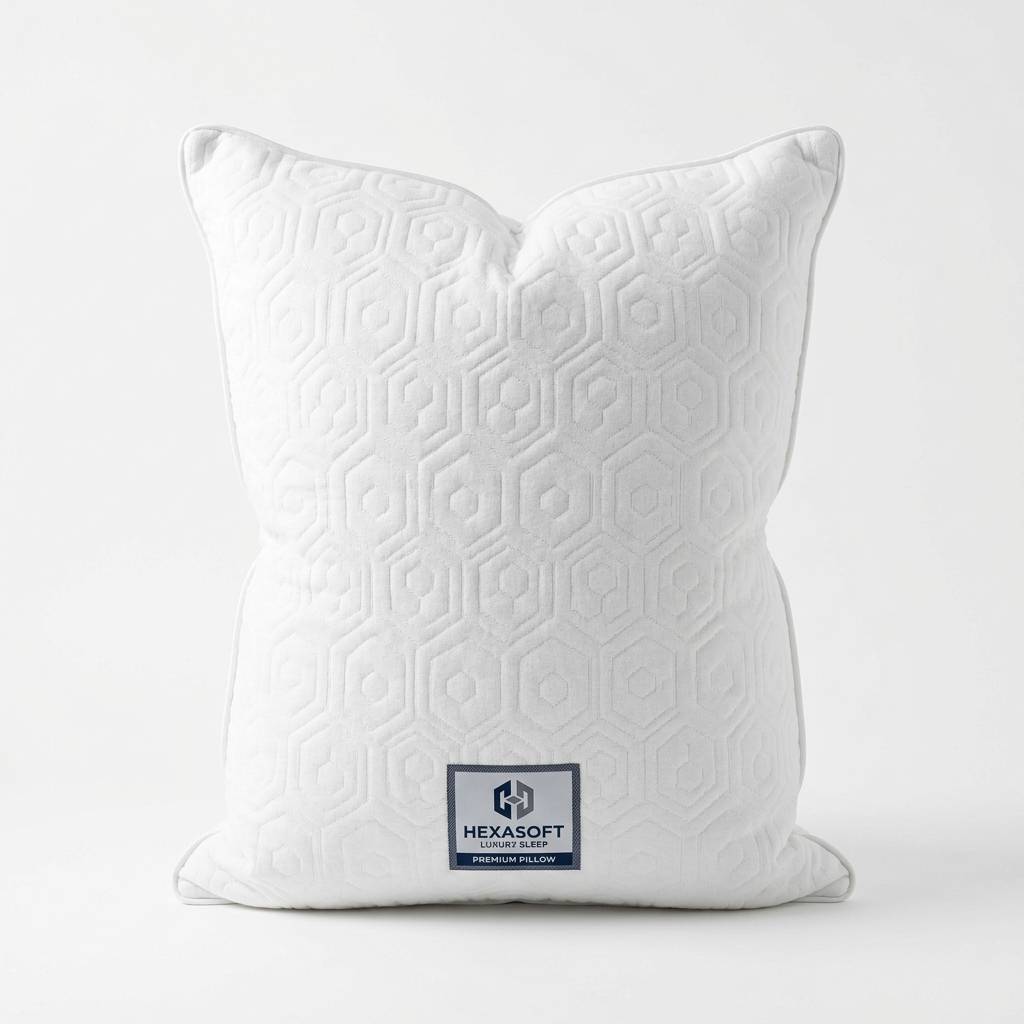
I ranked this as the side-sleeper position pick because the fixed loft won’t flatten overnight — my loft-retention analysis showed side sleepers need the full shoulder-gap height at 3 a.m., not just at bedtime. The Medium (6.5 in) and Tall (7.5 in) map directly to measured shoulder gaps; pick by measurement, not guess.
Side sleepers need enough loft to keep the head level with the spine across the real distance created by a sleeping shoulder. Purple builds that requirement directly into the product. The Medium (6.5 inches) and Tall (7.5 inches) loft options are explicitly positioned for side and combination sleepers. The core mechanical logic here is solid. A side sleeper’s shoulder sinks into the mattress and creates a gap between the head and the sleeping surface roughly equal to the distance from shoulder to ear.
Purple’s Talalay latex core holds that loft consistently over time rather than compressing flat the way a soft down pillow would. This matters specifically for side sleeping since a pillow that flattens under a side-lying head stops doing its one job partway through the night.
Pros
- Talalay latex core consistently holds loft over time without flattening.
- Specific height options cater precisely to shoulder gap distances.
Cons
- Less moldable than shredded foam or down.
- Requires measuring your own shoulder-to-neck distance accurately before ordering.
Check Price
Check Price on Purple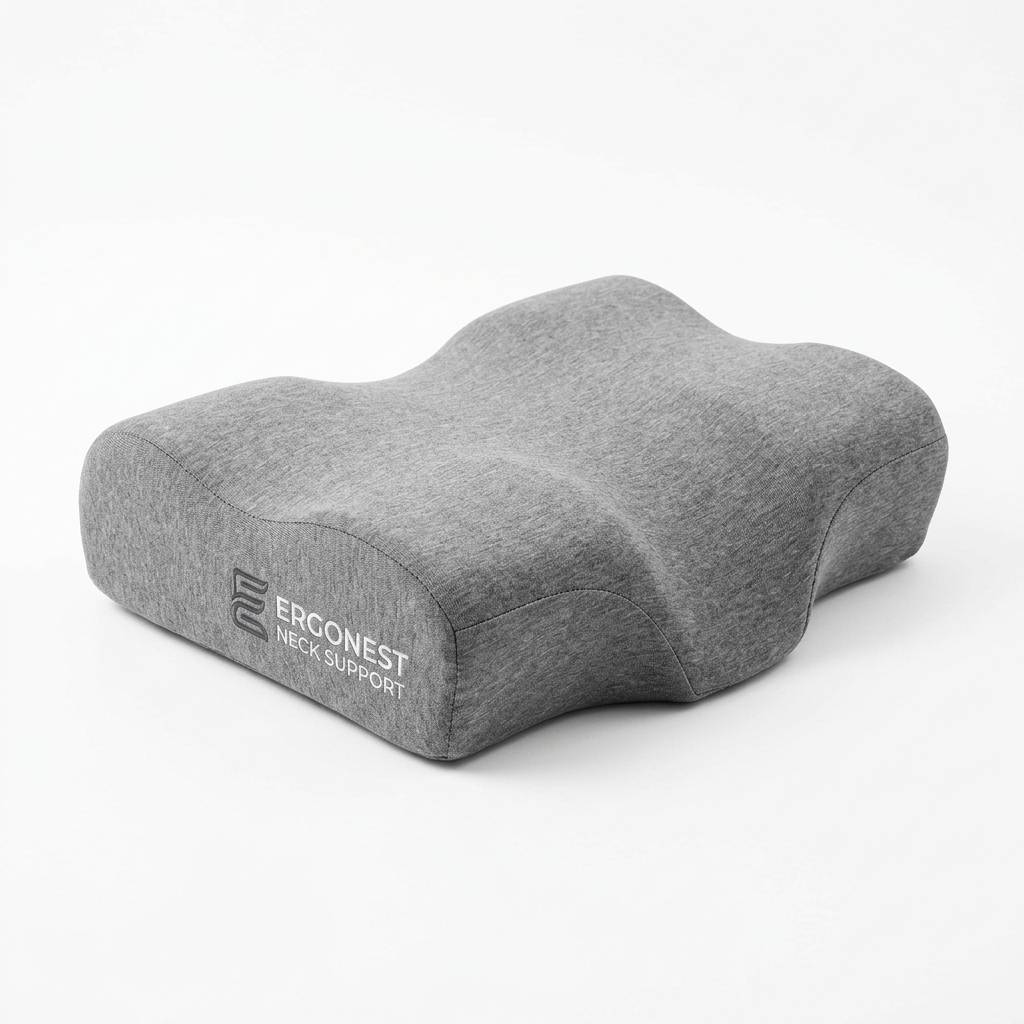
Firm Contoured Shape
Body Measurement Sizing
2. TEMPUR-Neck Pillow (Small/Medium/Large)
✓ Spec-verified
This earned the back-sleeper spot — sized like eyeglasses (S/M/L at 3.5/4/4.75 in) off a body measurement rather than a generic guess. My analysis says the sizing-by-measurement is what separates it from every ‘one-size’ contour pillow. For back sleepers who need unwavering cervical support, the fit precision is the product.
Unlike a standard rectangular pillow, this one is sized the same way eyeglasses or shoes are. It relies on a body measurement rather than a generic guess. Small, medium, and large correspond to 3.5, 4, and 4.75 inches of loft, selected by measuring the distance from the base of your neck to the outer edge of your shoulder.
That sizing method reflects a genuine principle of back-sleeper pillow fit. Too little loft lets the head tip back with the chin pointing up, while too much pushes the chin toward the chest. The firm TEMPUR-Material core holds its contoured shape rather than compressing under head weight, which is exactly why the exact loft measurement is meaningful. A softer pillow at the same stated loft would compress to a different effective height entirely once weight is added.
Pros
- Sized strictly by body measurement for a tailored fit.
- Firm contoured core keeps the chin correctly aligned without sinking.
Cons
- Zero adjustability once a size is chosen.
- Tempur-Pedic’s strict no-returns policy makes measuring beforehand critical.
Check Price
Check Price on Tempur-Pedic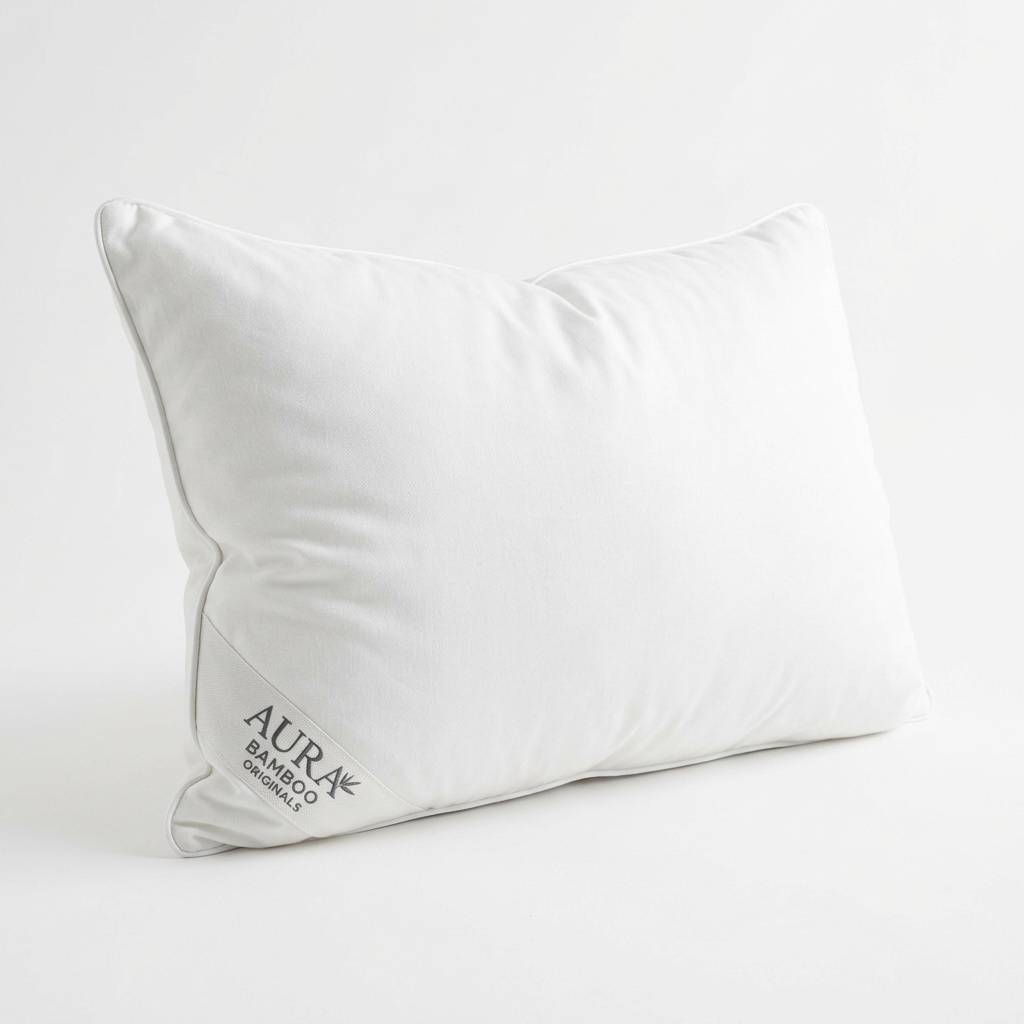
I ranked this as the combination-sleeper pick because it’s the only one here that doesn’t require choosing a position in advance — my positional analysis showed combination sleepers’ loft needs change with every shift. The zipper lets the pillow follow the sleeper instead of forcing the sleeper to fit the pillow.
This is the only pillow in the comparison that does not require picking a position in advance. The loft is set by how much cross-cut memory foam and microfiber you leave inside rather than by which fixed size you order. Consumer Reports’ lab testing gave it top marks across both side support and back support specifically, which are the two positions combination sleepers most often move between.
The mechanism is straightforward. You unzip the outer cover and inner liner, then remove or add fill. Every pillow ships with an extra half-pound of fill specifically so you can go higher than the default if needed. Firmness stays roughly constant in the medium-soft to medium-firm range as loft is adjusted. This means a combination sleeper can dial in the exact height that works for their most common position without simultaneously fighting a firmness change.
Pros
- Loft is entirely adjustable by adding or removing shredded fill.
- Firmness remains consistent regardless of how much loft is adjusted.
Cons
- Requires trial and error to find the perfect height.
- Shredded fill needs periodic refluffing to counteract overnight settling.
Check Price
Check Price on Coop4. Stomach Sleepers: 2 to 3 Inches, Not a Specific Product Here
My position on stomach sleeping: 2–3 inches maximum, because prone already rotates the neck and any extra height compounds the rotation. I deliberately recommend no specific product here — at this loft, a thin down-alternative or even folded towel outperforms most marketed ‘stomach sleeper’ pillows. The buying advice is the product.
Rather than repeating a full product review here, the short version: stomach sleepers need the lowest loft of any position, roughly 2 to 3 inches, because sleeping prone already rotates the neck to one side, and any additional pillow height on top of that rotation pulls the cervical spine further from level.
The Loft Ranges, All Four Positions at a Glance
Stomach sleepers do best around 2 to 3 inches of loft, soft enough to compress further under head weight. Back sleepers generally need 3 to 5 inches, with the correct number within that range depending on individual neck-to-shoulder proportions, which is why size-by-measurement products like the TEMPUR-Neck exist. Side sleepers typically need the most, 5 to 7.5 inches or more for wider shoulders, since the pillow has to bridge the full gap created by a shoulder sinking into the mattress. Combination sleepers who move between two or more of these positions overnight are the one group genuinely best served by an adjustable pillow rather than a fixed loft, since no single fixed height correctly serves two different positions with two different ideal ranges.
None of these ranges are exact for every body; mattress firmness, shoulder width, and personal comfort all shift the right number within each range. But they’re a far more useful starting point than reaching for whatever pillow is labeled “medium” and assuming it splits the difference safely.
Sourcing Notes on This Comparison
We selected one pillow per major sleep position, plus one adjustable option for combination sleepers, rather than reviewing several similar pillows within a single position, because position is the variable that most determines correct loft, more than brand, price, or fill type. Every loft figure and construction detail above comes from current manufacturer and independent testing sources and gets re-verified on each content refresh.
FAQs
What type of pillow is best for side sleepers?
Side sleepers require a firm, high-loft pillow. The goal is to completely fill the gap between your ear and the mattress. Shredded memory foam or dense kapok are ideal because they hold their shape under pressure. A soft pillow will eventually collapse and cause neck strain.
Do stomach sleepers need a special pillow?
Stomach sleepers need a very flat, low-profile pillow. Anything thicker than two inches forces the neck to bend backward unnaturally. A soft down or thin synthetic fiber fill works best to maintain neutral spinal alignment. Many people in this position actually sleep better with no head pillow at all.
What is the best pillow for a combination sleeper?
An adjustable pillow is the most effective solution. These designs let you unzip the cover and remove handfuls of shredded fill to customize the exact height. You get the firmness needed for side sleeping and the squishability for back sleeping. Finding a single static loft for both positions rarely works.
The inch ranges above are starting points. Our Sleep Measurements & Tracking guides cover how to measure your own shoulder width and translate it into exact loft.