The crinkle noise is a solved problem. Vinyl pillow protectors. The ones that sounded like a plastic grocery bag every time you moved. Are a 1990s remnant. Every protector worth buying today uses a polyurethane (PU) membrane rather than vinyl or PVC. PU is flexible, noiseless, and breathable in a way that vinyl never was. The reason most buyers still dread waterproof protectors is that the market is full of cheap products using thin polyester shells that trap heat, and genuine PU-membrane protectors are mixed in without clear label differentiation.
What separates a protector that disappears under your pillowcase from one that disrupts your sleep comes down to two specs: the outer surface material (cotton terry, bamboo viscose, or polyester) and whether the waterproof membrane is PU or vinyl. This piece ranks five protectors across three price tiers, with the surface material and membrane disclosed for each one, so the choice becomes mechanical rather than a guess.
Why Your Pillow Needs a Barrier (and Why a Pillowcase Alone Doesn’t Cut It)
A standard pillowcase has a thread count in the range of 200-400 and sits flush against the pillow shell. Every night, roughly 0.5-1 liter of perspiration. Along with skin oils, saliva, and whatever skincare products you apply before bed. Passes through that layer. Over weeks of use, moisture and organic matter saturate the pillow fill. That creates the conditions for yellowing see the full yellowing breakdown in the why do pillows turn yellow guide and more importantly, for dust mite colonization.
Dust mites require warm, humid environments and dead skin cells to survive. An unprotected pillow provides all three. According to Consumer Reports’ guidance on pillow protectors, a protector certified by the Asthma and Allergy Foundation of America (AAFA) has microscopic pores too small for dead skin cells and hairs to pass through. Which means dust mites lose their food source. The zippered encasement design also traps any mites already present inside the pillow, so they cannot reach the breathing zone.
A waterproof protector does both jobs: moisture barrier and allergen barrier. For anyone with allergies, asthma or eczema. Or anyone who simply does not want to replace pillows prematurely. A protector is not an upgrade. It is a base-layer requirement.
What the Membrane Actually Does: PU vs. Vinyl
The waterproof function in every modern pillow protector comes from a membrane laminated to the back of the outer fabric. That membrane is either polyurethane or vinyl (PVC).
Modern waterproof pillow protectors using PU or TPU membranes remain virtually noiseless, while older vinyl protectors were notorious for crinkling. The physical reason: PU is a porous polymer. Water vapor (sweat) passes through its microscopic pores while liquid water cannot. Vinyl has no such porosity; it blocks everything including airflow, which is why it traps heat and generates noise when compressed by body weight.
Practically, this means any protector with a disclosed PU membrane and a cotton, bamboo, or polyester terry outer surface will be undetectable in normal sleep. Mattress Miracle’s buyer guidance states it plainly: modern cotton or Tencel protectors with a thin polyurethane waterproof layer add no perceptible feel difference. If a protector is bothering you, it is worth upgrading to a breathable PU option.
The outer surface material determines the feel, not the membrane. Cotton terry (the same loop-pile weave used in towels) is the softest and most breathable outer option. Bamboo viscose runs slightly cooler. Polyester shells are cheaper to produce but trap heat more readily. The five protectors below cover each of those categories across a price range from about $8 to $65 per unit.
The 5 Best Waterproof Pillow Protectors
| Protector | Surface Material | Membrane | Price (queen, single) | Certifications | Machine Washable |
|---|---|---|---|---|---|
| Coop Home Goods Ultra-Tech | Polyester/bamboo viscose blend (Lulltra) | PU | ~$25 (2-pack) | OEKO-TEX | Low heat |
| SafeRest Premium | 100% cotton terry | PU, vinyl/PVC-free | ~$14-$18 | Hypoallergenic | Standard |
| Avocado Organic Waterproof | GOTS organic cotton (2 layers) | Bio-based PU (Susterra propanediol) | ~$59 | GOTS, GREENGUARD Gold, MADE SAFE | Cold/gentle |
| Linenspa Premium Smooth | 100% polyester | PU, vinyl-free | ~$8-$10 | – | Low heat |
| Brentwood Home Organic | GOTS organic cotton (95%) | PU (5%, GOTS-compliant) | ~$35-$45 | GOTS certified | Cold/gentle |
Disclosure: Brocia analyzes products using manufacturer specs and published research, not our own hands-on tests. If you buy through our links, we may earn a commission at no extra cost to you. It never affects our rankings or verdicts. See our Review Process and Affiliate Policy.
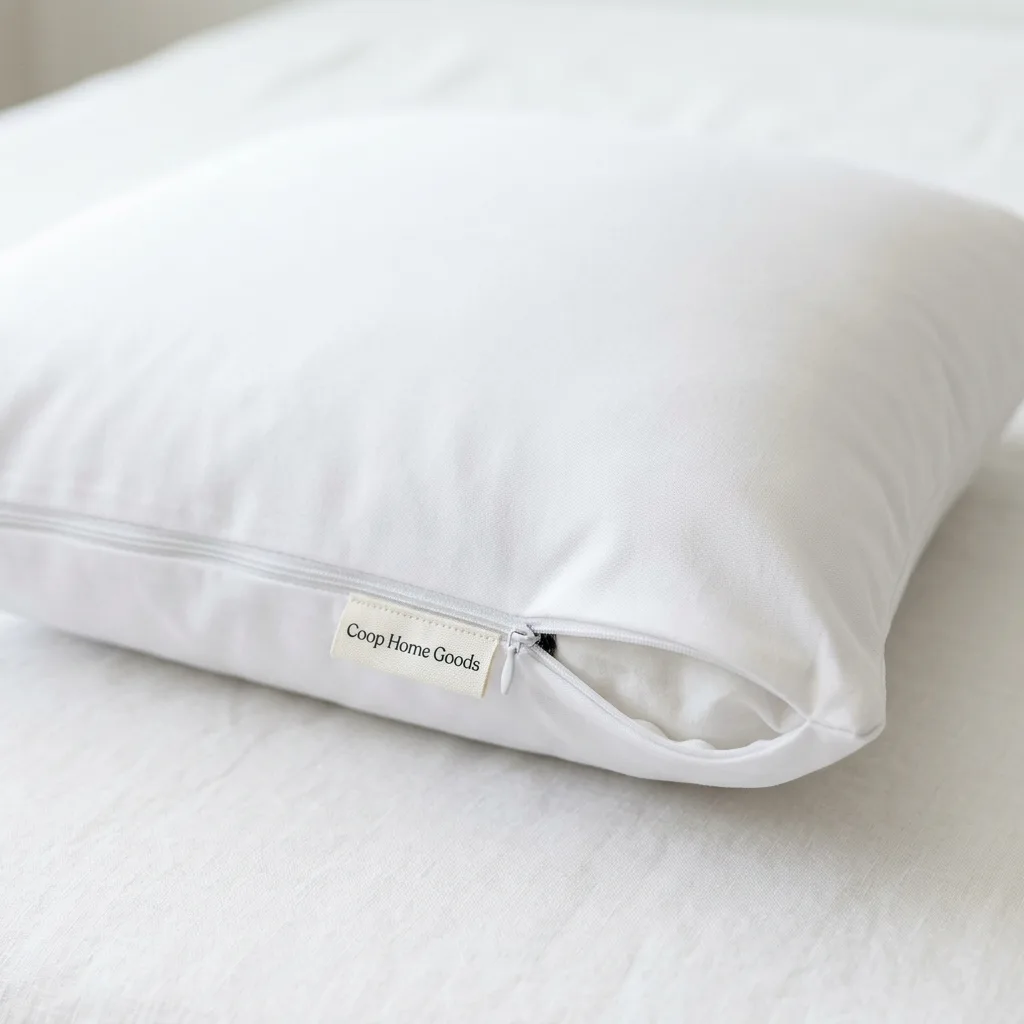
Pros
- Lulltra stretch fabric won’t restrict memory foam moldability.
- Polyurethane barrier is entirely crinkle-free and silent.
- Available in rare sizes like toddler and body pillow.
Cons
- Viscose blend requires low-heat drying to prevent shrinkage.
- More expensive than basic cotton terry alternatives.
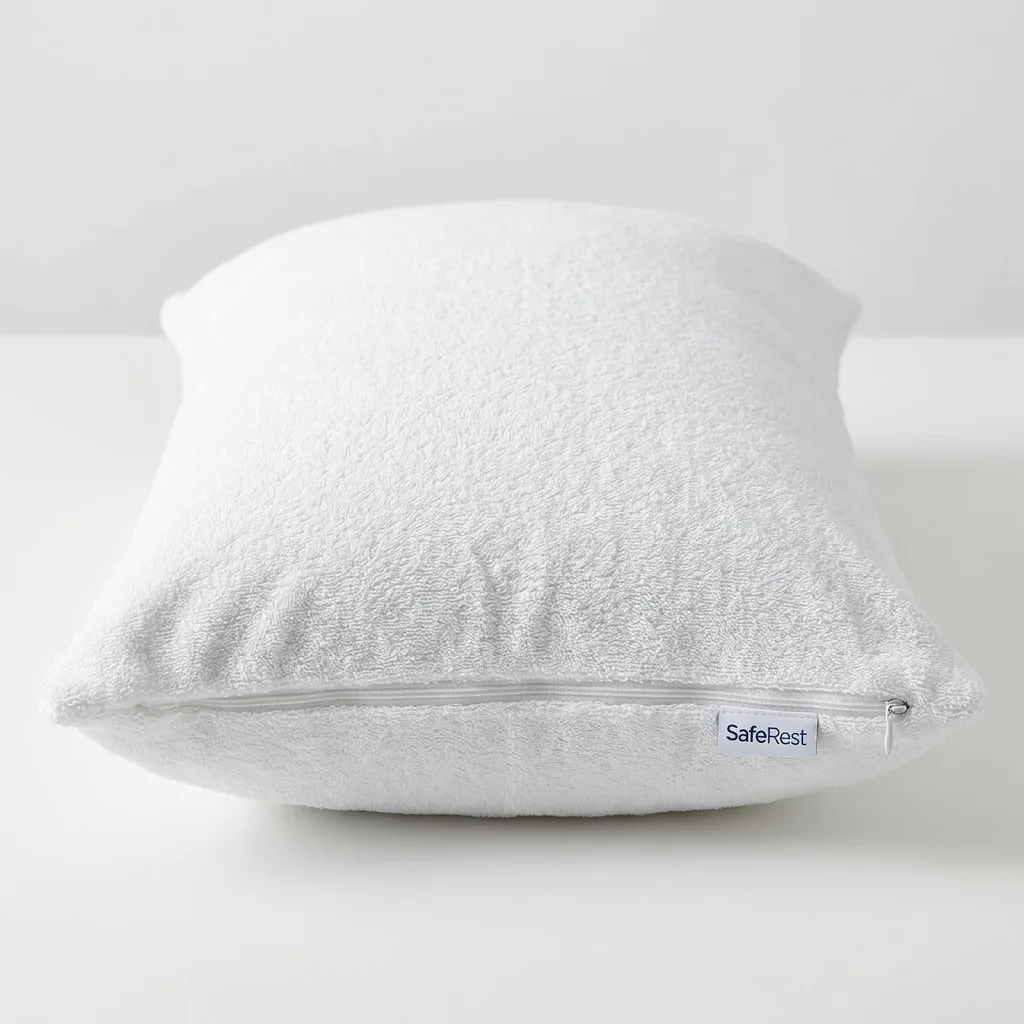
Pros
- Cotton terry loops naturally absorb sweat before it reaches the membrane.
- 100% vinyl-free and OEKO-TEX certified against harmful chemicals.
- Aggressively priced 4-packs are ideal for outfitting a whole house.
Cons
- Less stretch than viscose blends, which can slightly firm up soft pillows.
- Requires strict low-heat drying; high heat will blister the PU membrane.
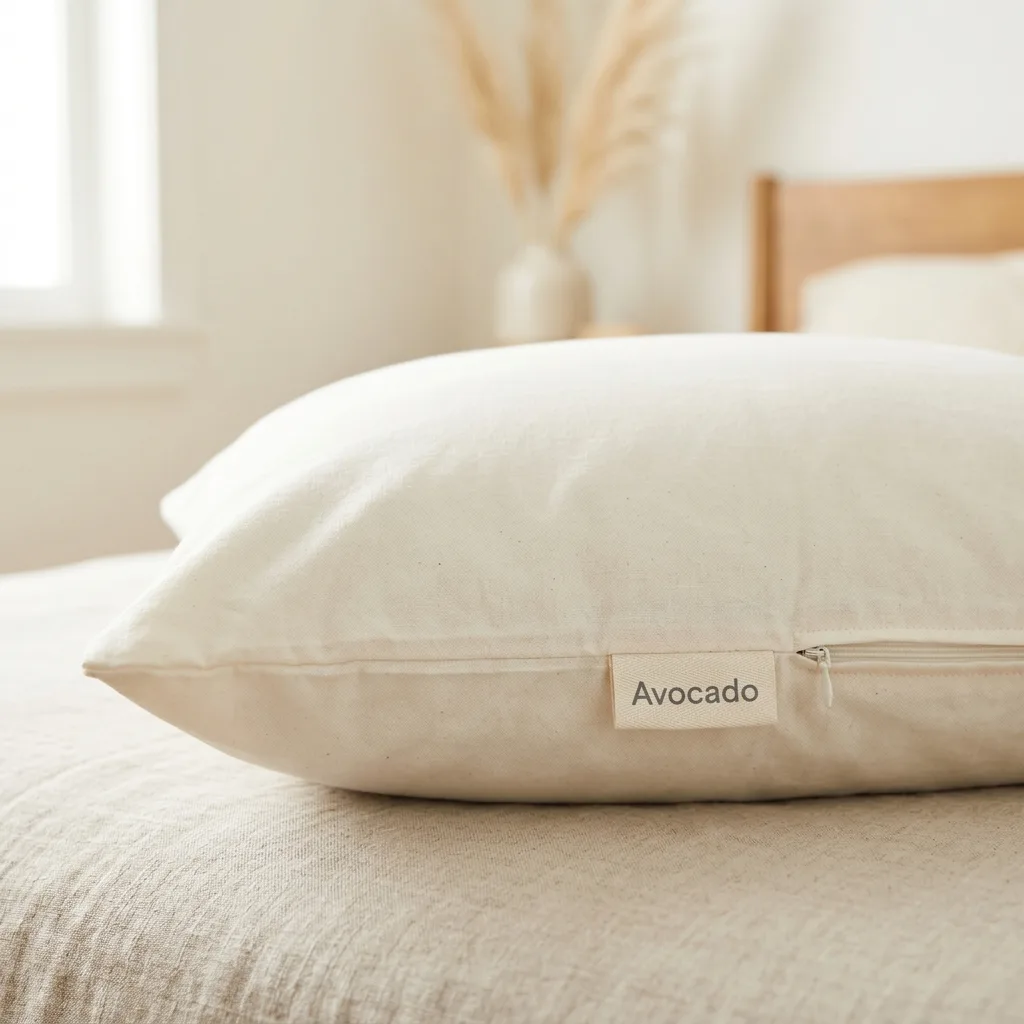
Pros
- Unmatched toxicity credentialing (GOTS, GREENGUARD Gold, MADE SAFE).
- Organic cotton breathes better than standard commercial cotton.
- Fair trade manufacturing certified.
Cons
- Premium price point (over double the cost of basic protectors).
- Short 1-year warranty relative to the price.
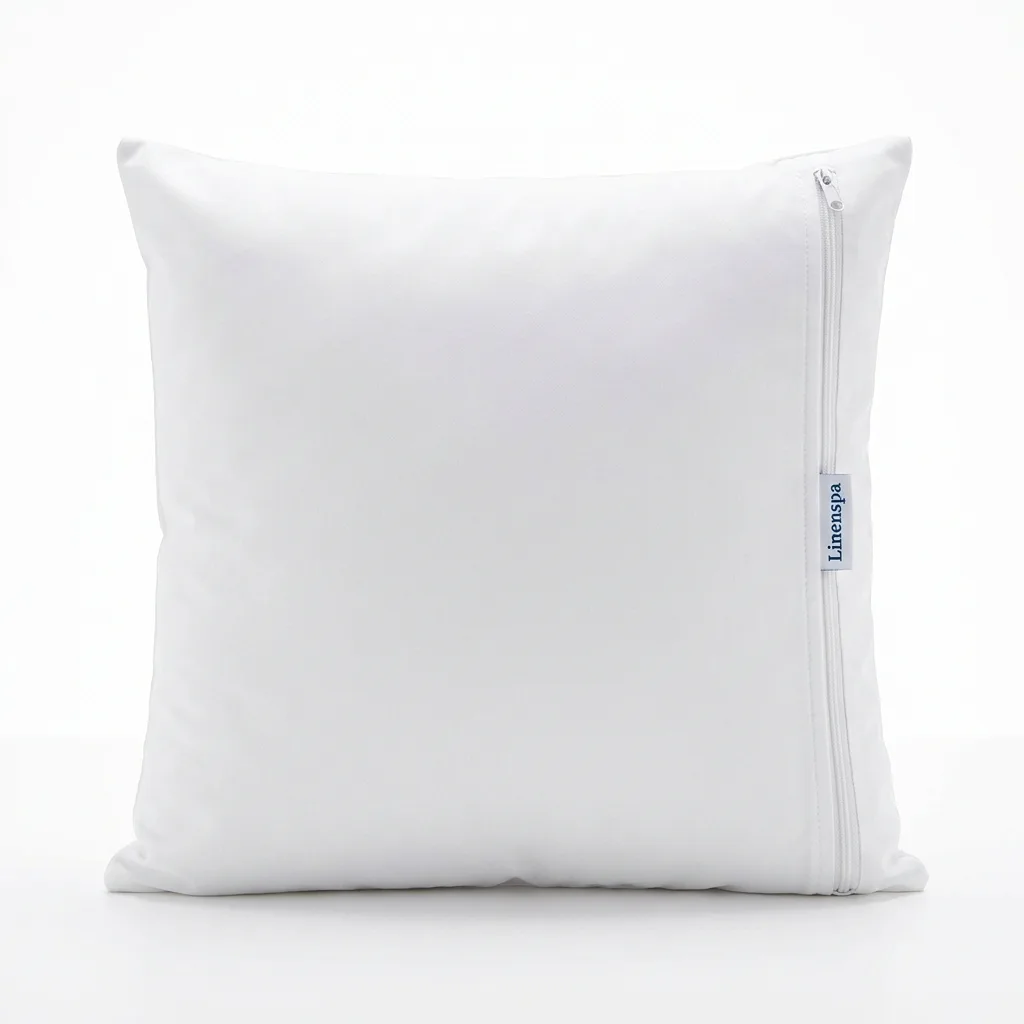
Pros
- Ultra-affordable price point.
- 10-year warranty is exceptional for the category.
- Smooth surface won’t print through thin silk or sateen pillowcases.
Cons
- 100% polyester shell traps heat and lacks the breathability of cotton or bamboo.
- No third-party toxicity certifications (OEKO-TEX / GOTS).
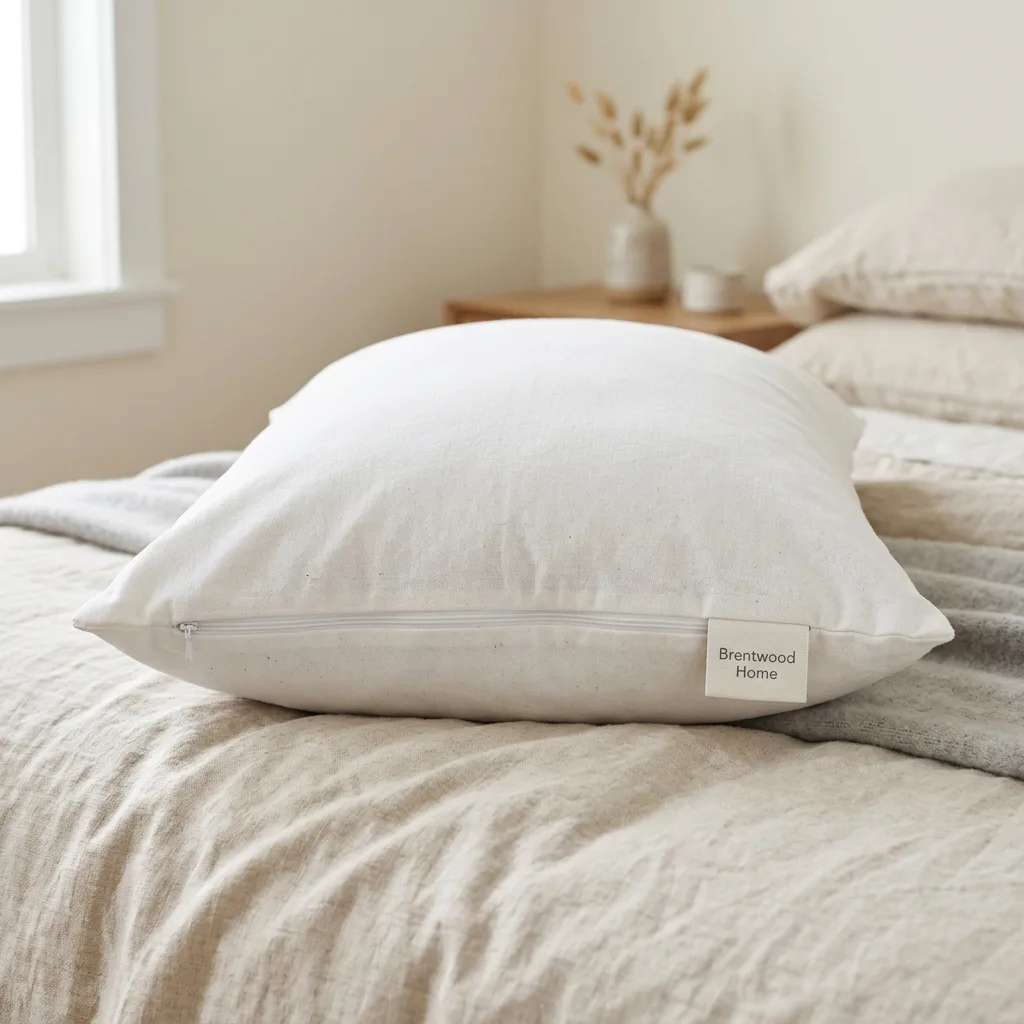
Pros
- Uses 95% GOTS-certified organic cotton for a premium, non-toxic feel.
- More accessible price point compared to competing organic protectors.
- Vinyl-free PU membrane is completely silent.
Cons
- Lacks the secondary GREENGUARD and MADE SAFE certifications found on the Avocado.
The Advice That Makes Waterproof Protectors Pointless
Most pillow protector buying guides tell you to choose based on feel and price, then mention washing “periodically” or “every few months.” That interval is long enough to undo most of the hygienic benefit and long enough for the sweat proteins and skin oils that turn pillows yellow to soak through into the fill.
A protector blocks moisture from reaching the pillow fill. But moisture accumulates on the protector’s outer surface, along with the skin cells that dust mites need. If the protector is not washed regularly, it becomes the contaminated layer instead of the pillow. Best Bedding’s care guidance recommends washing protectors monthly under normal use and more often for people with allergies, using mild detergent and no fabric softeners, fabric softener coats PU membranes and reduces breathability over time.
The wash schedule the protector actually needs depends on how you sleep and what products you use at night. Skin care products applied before bed pass through the pillowcase and contact the protector’s surface. Night sweats increase the moisture load. Wet hair at bedtime can saturate the pillowcase within the first hour of sleep. The picker below maps your sleep habits to a realistic washing interval.
A protector changes the feel of the pillow underneath. Our Pillow Setup & Adjustment guides cover re-tuning loft after adding one.
Frequently asked Questions
Do waterproof pillow protectors make a crinkly noise?
Fully waterproof pillow protectors often make a crinkly sound because of their plastic backing. You can minimize this noise by choosing a protector that uses a thermoplastic polyurethane backing sandwiched between soft cotton layers. The Coop Sleep Goods Ultra-Tech protector is frequently praised for being quiet. Always remember that any waterproof layer will still alter the feel of your pillow slightly.
Will a waterproof pillow cover make me sleep hot?
A waterproof pillow cover will absolutely trap more heat than a standard cotton case. The moisture barrier prevents air from flowing freely through the pillow, which means your body heat has nowhere to escape. You can offset this slightly by choosing a protector with a breathable terry cloth surface. If you sleep exceptionally hot, you might need to rely on a thick, non-waterproof allergy cover instead.
Why does my pillow feel like a balloon with a waterproof protector?
Your pillow feels like a balloon because the waterproof barrier traps air inside the casing along with the pillow itself. When you lay your head down, the air cannot escape quickly enough, creating a stiff or bouncy sensation. You can fix this by partially unzipping the protector by one inch to allow air to vent out when you apply pressure.