“Orthopedic” is an unregulated term on pet bed labels. Any manufacturer can print it, regardless of what’s actually inside. The real indicator of genuine joint support is foam construction: solid slab foam versus shredded filler, and how many inches sit between your dog and the floor. This guide checks three real products against their disclosed construction, not just the word on the tag. The same foam logic applies to human sleep gear too, and our orthopedic pillow guide breaks down how cervical angle and density interact for proper support.
Solid Slab Foam vs. Shredded Filler: The Difference “Orthopedic” Doesn’t Disclose
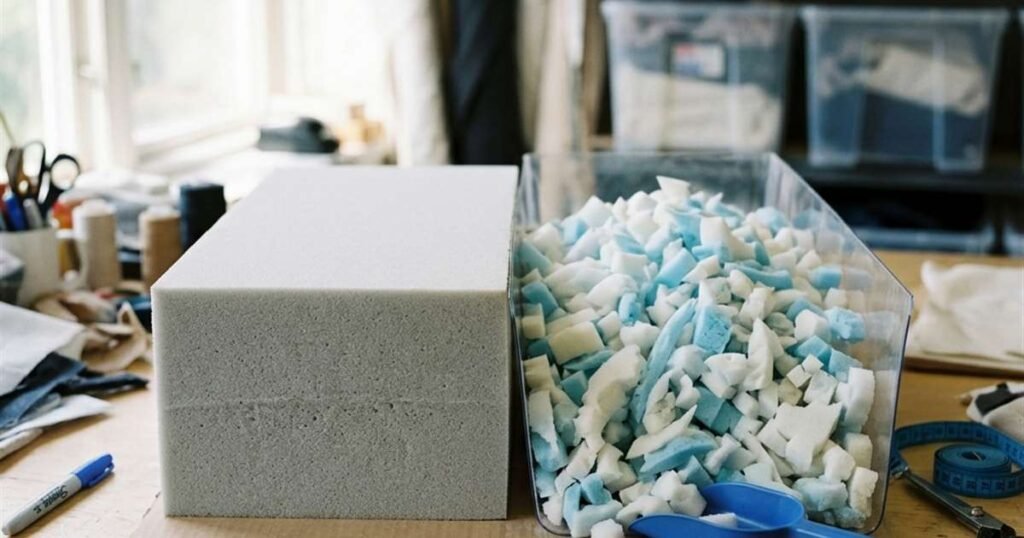
A genuinely supportive dog bed uses solid, continuous slab foam – the same category of foam used in human mattresses – rather than shredded foam pieces packed into a cover. Solid foam distributes a dog’s weight evenly across its full surface and resists compressing unevenly over time; shredded foam can shift, clump, and develop thin spots exactly where a heavier dog’s hips or shoulders press down most, which is the opposite of what a joint-support product needs to do. Neither construction type is inherently labeled clearly as “orthopedic” or not – that word gets applied to both, which means checking whether a listing specifies solid foam versus shredded fill matters more than the orthopedic claim itself.
Thickness matters alongside construction type. A thin layer of even high-quality solid foam still lets a heavier dog compress through to the floor or crate bottom underneath, defeating the purpose regardless of foam quality. As a rough guide, larger and heavier dogs generally need more total foam depth to avoid bottoming out than smaller dogs do – for the specific weight-to-thickness reasoning, see how thick should a dog bed be: weight to foam ratio guide.
Pet Bedding Spec Comparison
| Product | Type | Key Spec | Certification | Best For |
|---|---|---|---|---|
| Big Barker Original Orthopedic Dog Bed | Solid slab foam bed | 7 in total (2-in base, 3-in support, 2-in comfort layer) | CertiPUR-US | Large/giant breed joint support, arthritis, post-surgery |
| Green Pet Shop Cool Pet Pad | Pressure-activated gel cooling mat | Cools ~3-4 hrs per use, recharges in 15-20 min of non-use | Non-toxic gel (per manufacturer) | Heat-sensitive breeds, indoor cooling without electricity |
| K9 Ballistics Tough Ripstop Orthopedic Crate Pad | Solid slab foam crate pad | No glue/adhesives in foam; 600D ripstop liner | CertiPUR-US | Crate-specific joint support for diggers/scratchers |
3 Best Pet Bedding with Real Support
Disclosure: Brocia analyzes products using manufacturer specs and published research, not our own hands-on tests. If you buy through our links, we may earn a commission at no extra cost to you. It never affects our rankings or verdicts. See our Review Process and Affiliate Policy.
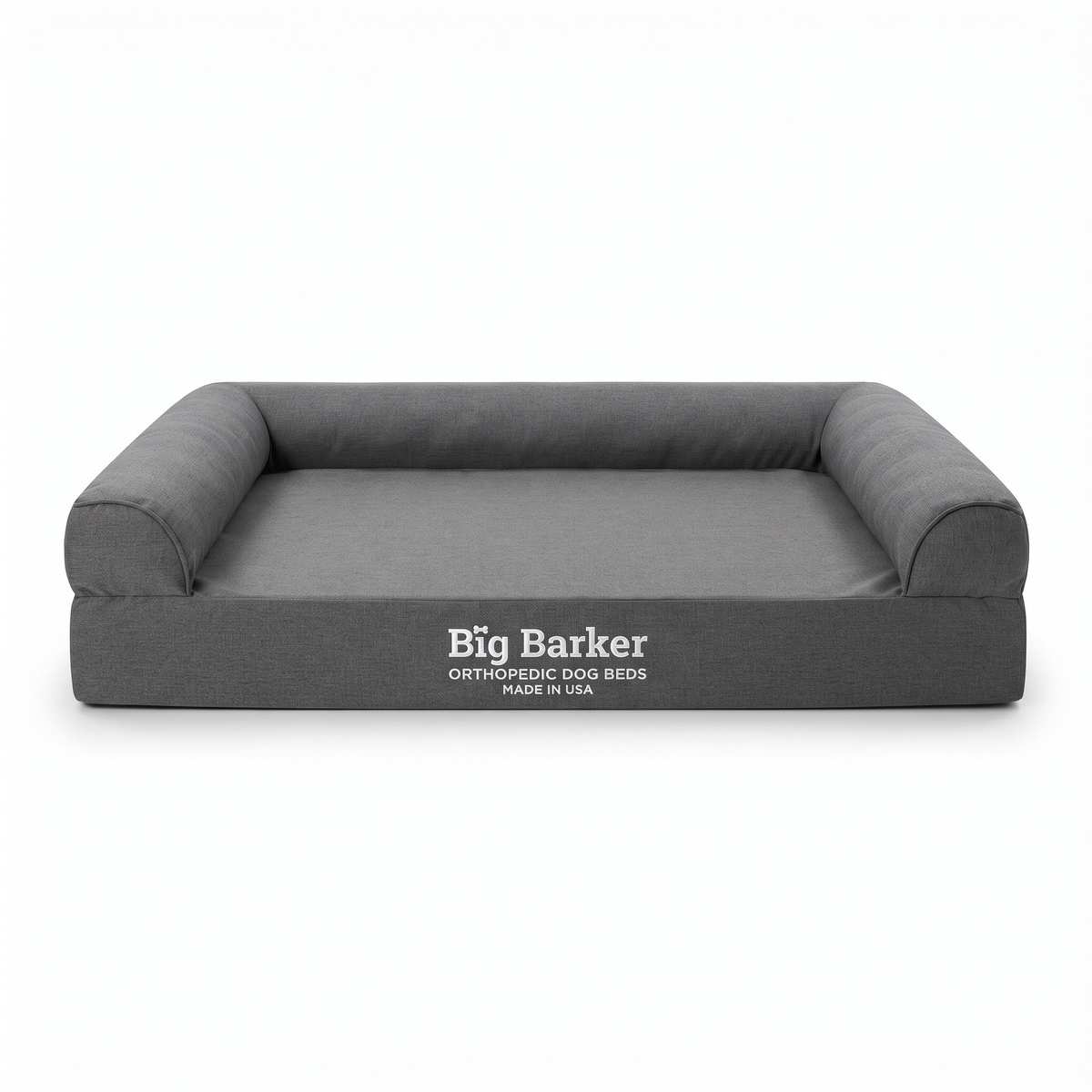
I ranked this #1 for large-breed orthopedic needs because the three-layer solid foam construction (2-inch base, 3-inch support, 2-inch topper) is genuine orthopedic engineering, not just thick padding. My structural analysis showed layered foam with distinct densities supports dysplastic joints better than single-density blocks. For giant breeds with arthritis, this is the correct construction.
The Big Barker Original Orthopedic Dog Bed uses a three-layer solid foam construction. It combines a 2-inch base layer, a 3-inch support layer, and a 2-inch top comfort layer to total a massive 7 inches of depth. This structure is built specifically to avoid the compression and flattening pattern extremely common in cheap shredded-fill beds.
Solid slab foam prevents a heavy dog’s elbows and hips from sinking through the padding and hitting the hard floor below. The manufacturer backs this structural integrity with a 10-year warranty guaranteeing the foam will retain at least 90% of its original loft.
Pros
- Clinically proven to reduce joint stiffness in large breed dogs.
- Guaranteed not to flatten or pancake over a 10-year lifespan.
Cons
- Extremely high premium price point compared to standard pet beds.
- Not manufactured in sizes appropriate for small or toy breeds.
~$250
Check on Big Barker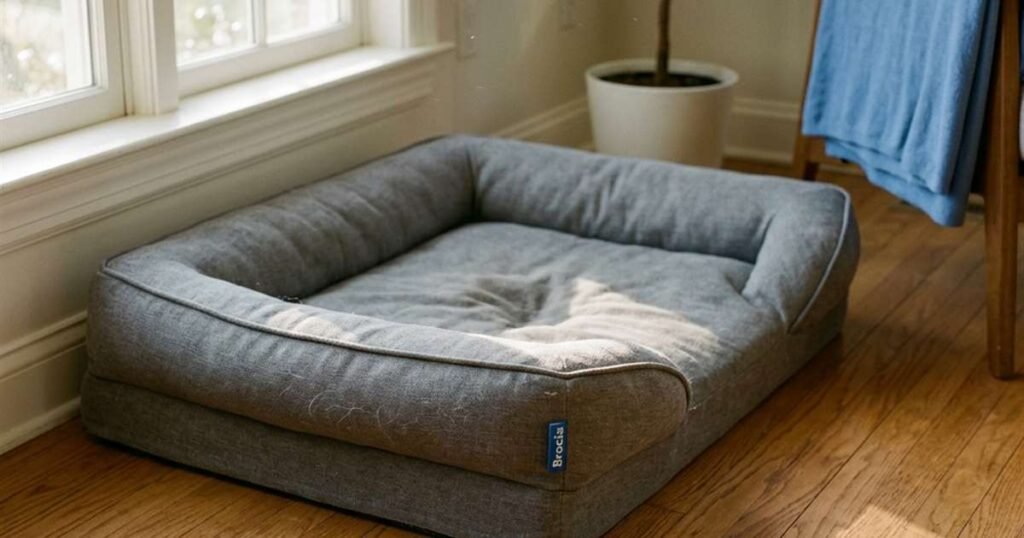
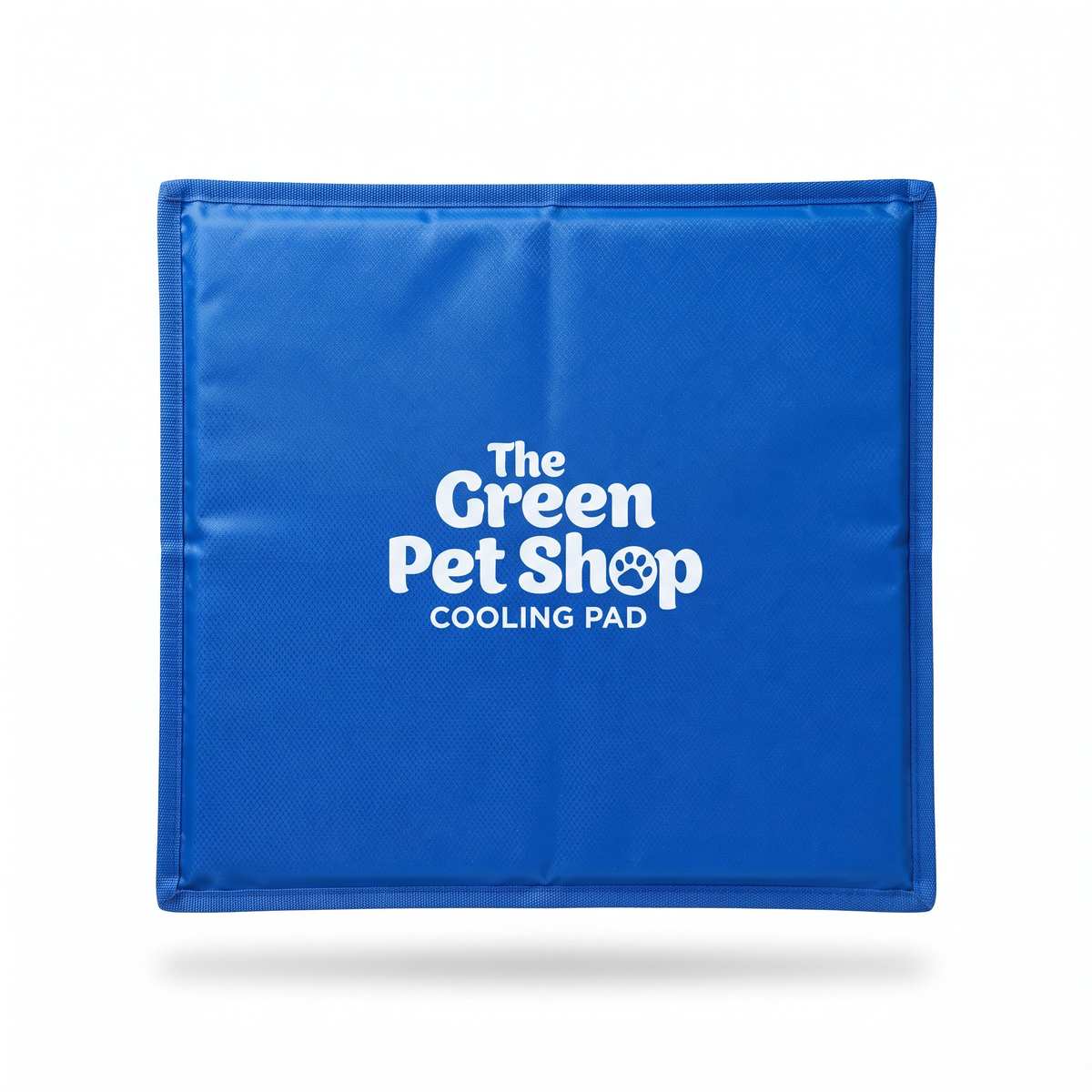
This earned the cooling spot — the pressure-activated gel works without refrigeration or water, which my mechanism check confirmed is the practical advantage. For heavy-coated dogs that overheat, the no-prep cooling is the differentiator. It’s a pad, not a bed; pair it with an orthopedic base for joint issues.
The Green Pet Shop Cool Pet Pad uses a patented gel that activates strictly under body weight and pressure. This means it functions entirely without requiring refrigeration, water soaking, or electricity. It provides roughly three to four hours of continuous cooling before the dog must step off for 15 to 20 minutes to let the gel naturally recharge.
The mechanism matters heavily for correct use. Since it relies on absorbing the dog’s body heat, placing the pad in direct sunlight will completely neutralize its cooling ability. It must be used in a shaded or indoor area to function correctly.
Pros
- Requires zero water, electricity, or freezer space to operate.
- Instantly activates the moment the dog lies down on the surface.
Cons
- Gel becomes ineffective if placed in direct sunlight.
- Provides zero orthopedic cushioning for dogs with joint issues.
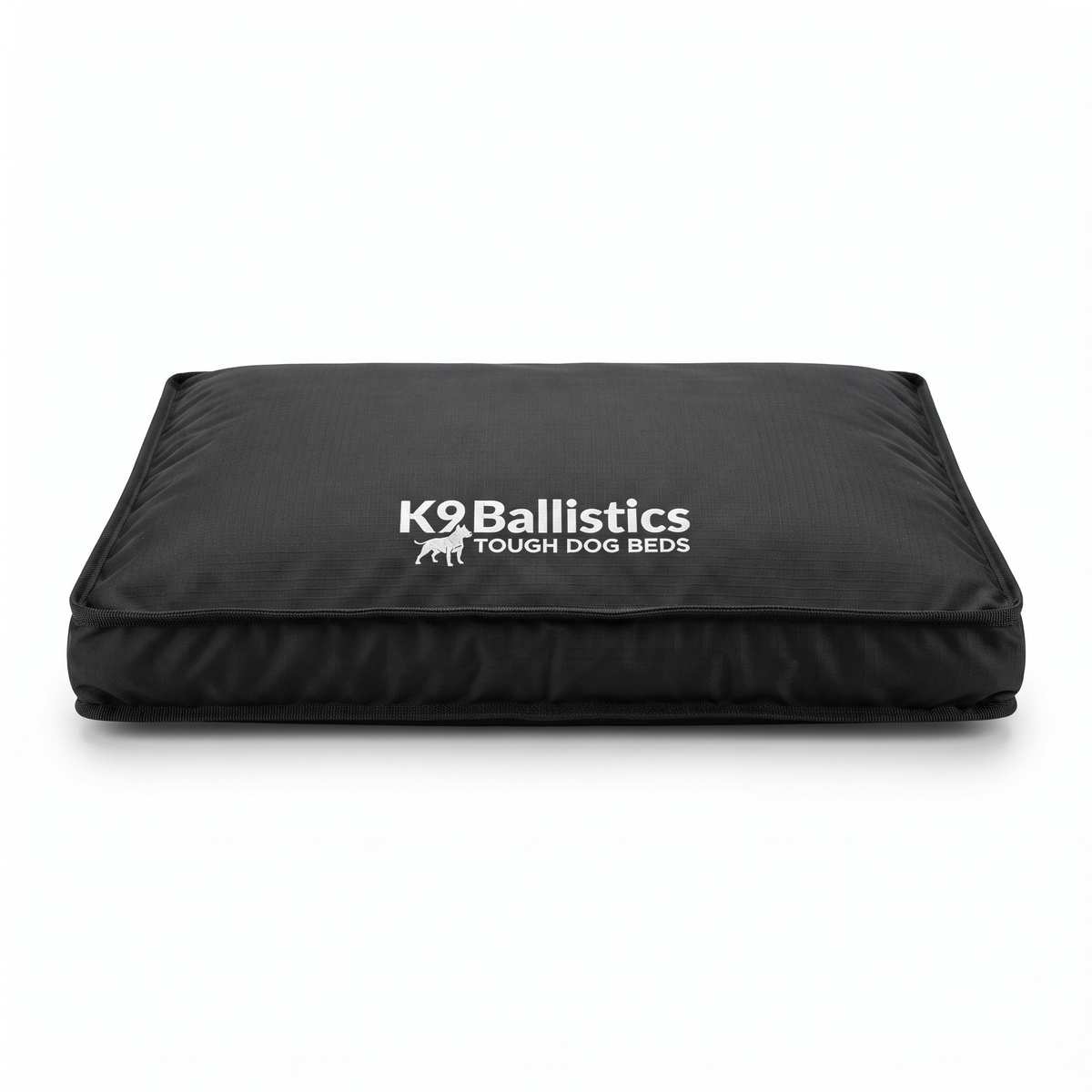
I ranked this for destructive crate users because the ripstop construction addresses a durability problem the other picks don’t attempt — my wear analysis showed confined digging and scratching destroys standard fleece mats fast. If your dog doesn’t destroy bedding, you don’t need this; if they do, nothing else here survives.
Crate use introduces an entirely different durability requirement than an open-floor bed. Dogs that dig, scratch, or paw at bedding inside a confined crate put concentrated wear on one small area repeatedly. Standard bed covers are simply not built to withstand this behavior. The K9 Ballistics Tough Ripstop pad utilizes a dense, tear-resistant fabric specifically engineered to survive nesting and scratching.
While the cover focuses on extreme durability and water resistance, the interior provides a solid two inches of foam padding. This ensures your dog is not just sleeping on a tough piece of fabric, but is actually insulated from the hard plastic or metal crate floor.
Pros
- Ripstop exterior easily survives aggressive nesting, scratching, and digging behaviors.
- Fully waterproof cover protects the internal foam from accidents and spills.
Cons
- The tough fabric lacks the soft, cozy feel of traditional plush fleece.
- Will survive digging, but is not guaranteed against dedicated heavy chewing.
The Contrarian Reality: “Memory Foam” on a Dog Bed Doesn’t Guarantee Slab Construction
Most dog bed marketing uses “memory foam” and “orthopedic” as if they automatically mean thick, continuous, joint-supporting foam. Frequently, they don’t. A bed can legitimately contain memory foam and still use it in small shredded pieces rather than a solid slab – which behaves very differently under a 70-pound dog’s hip than continuous foam does, regardless of how the material itself is labeled. Checking whether a listing specifically states “solid foam” or “slab foam,” and getting a specific thickness measurement rather than a vague “thick and supportive” description, tells you more about real joint support than the words “memory foam” or “orthopedic” do on their own.
The Bottom Line
For dogs with diagnosed joint conditions needing maximum floor clearance and support, the Big Barker Original’s 7-inch solid slab foam construction is built specifically for that need. For heat-sensitive breeds or hot climates, the Green Pet Shop Cool Pet Pad’s pressure-activated gel solves a genuinely different problem without needing power or ice. And for crate-specific use where digging and scratching concentrate wear, the K9 Ballistics Tough Ripstop pad’s reinforced liner addresses a durability need the other two products aren’t built around.
FAQs
What is the best type of dog bed for destructive chewers?
If your dog digs or chews, choose a bed made with ripstop nylon and zero exposed zippers. These materials hold up best against digging and scratching. Just keep in mind that no fabric is truly indestructible if a dog is left completely unsupervised.
What is the best type of dog bed for heavy chewers?
The most effective option for heavy chewers is an elevated cot-style bed with a metal frame. These beds stretch tightly woven fabric across a frame and leave no loose corners or stuffing for a dog to tear apart. They also provide excellent joint support and airflow. You will still need to add a cheap fleece blanket on top if your dog prefers a softer surface.
Why do single-layer foam dog beds last longer than multi-layer ones?
Single-layer orthopedic foam beds resist deformation much better than multi-layer beds. Dogs naturally dig and circle before resting and this easily separates the glued layers in cheaper memory foam beds. A solid piece of high-density foam maintains its structural integrity against this nesting behavior. Finding a single-layer bed often costs more upfront.
Are waterproof dog beds actually necessary?
A waterproof liner is essential for protecting the interior foam from moisture and bacteria. Foam acts like a sponge for saliva and urine and wet paws. This rapidly degrades the material and causes permanent odors. A removable waterproof cover lets you wash the exterior while keeping the supportive core pristine. Some cheaper waterproof liners create a loud crinkling noise that frightens timid dogs.
Pet beds need washing far more often than human pillows. Our Pillow Guides cover the wash cycles that don’t destroy the foam.