Post-surgery pillows aren’t one product. Mastectomy pillows protect incisions and drains. Shoulder systems offload arm pressure at a shallow angle. Wedge pillows handle a different use case: torso elevation for swelling and acid reflux. Our best wedge pillows guide covers the angle and elevation specs in detail if that’s your situation. This guide compares four purpose-built post-surgery options by exact angle, dimensions, and fill. Your surgeon’s instructions take priority over any of this.
\n\nA steeper incline is not automatically a better one. A general-purpose bed wedge built for acid reflux typically sits at 30 to 45 degrees, while a shoulder-surgery positioning system is deliberately built at a much gentler 10 degrees, because the two products are solving different mechanical problems. One is fighting gravity to keep stomach acid down; the other is offloading pressure from an arm and shoulder joint that needs to stay roughly level, not propped up. Buying whichever wedge has the biggest number on the box is how a lot of post-surgery sleepers end up uncomfortable in a product built for someone else’s recovery.

What the Specs Reveal
Post-surgery pillows split by the specific problem they solve, not by generic comfort claims, and the manufacturer specs below (incline angle, dimensions, and fill) tell you which problem each one is actually built for.
| Model | Built For | Angle/Height | Dimensions | Fill |
|---|---|---|---|---|
| Sleep Again Pillow System | Mastectomy, back-sleeping support | N/A, side-bolster system | Wedges 30″ wide (vs. a standard 24″) | Side/head pillows: polyester fiber; wedges: dense foam |
| Intimate Rose Mastectomy Pillow | Mastectomy, chest/underarm barrier | N/A, wearable | Adjustable via shoulder straps | 3 removable pillows inside a stretch case |
| MedCline Shoulder Relief System | Shoulder/rotator cuff surgery | 10-degree incline, 6″ wedge height | Wedge 30″ wide x 31-34″ long; body pillow 22″ wide x 50″ long | CertiPUR-US gel-infused foam; adjustable shredded foam body pillow |
| InteVision Foam Bed Wedge Pillow | General elevated post-op sleeping | 7.5″ height (also sold in 9.5″ and 12″) | 26″ x 25″ x 7.5″ | 2″ gel memory foam over firm polyurethane base |
4 Best Post-Surgery Pillows
Disclosure: Brocia analyzes products using manufacturer specs and published research, not our own hands-on tests. If you buy through our links, we may earn a commission at no extra cost to you. It never affects our rankings or verdicts. See our Review Process and Affiliate Policy.
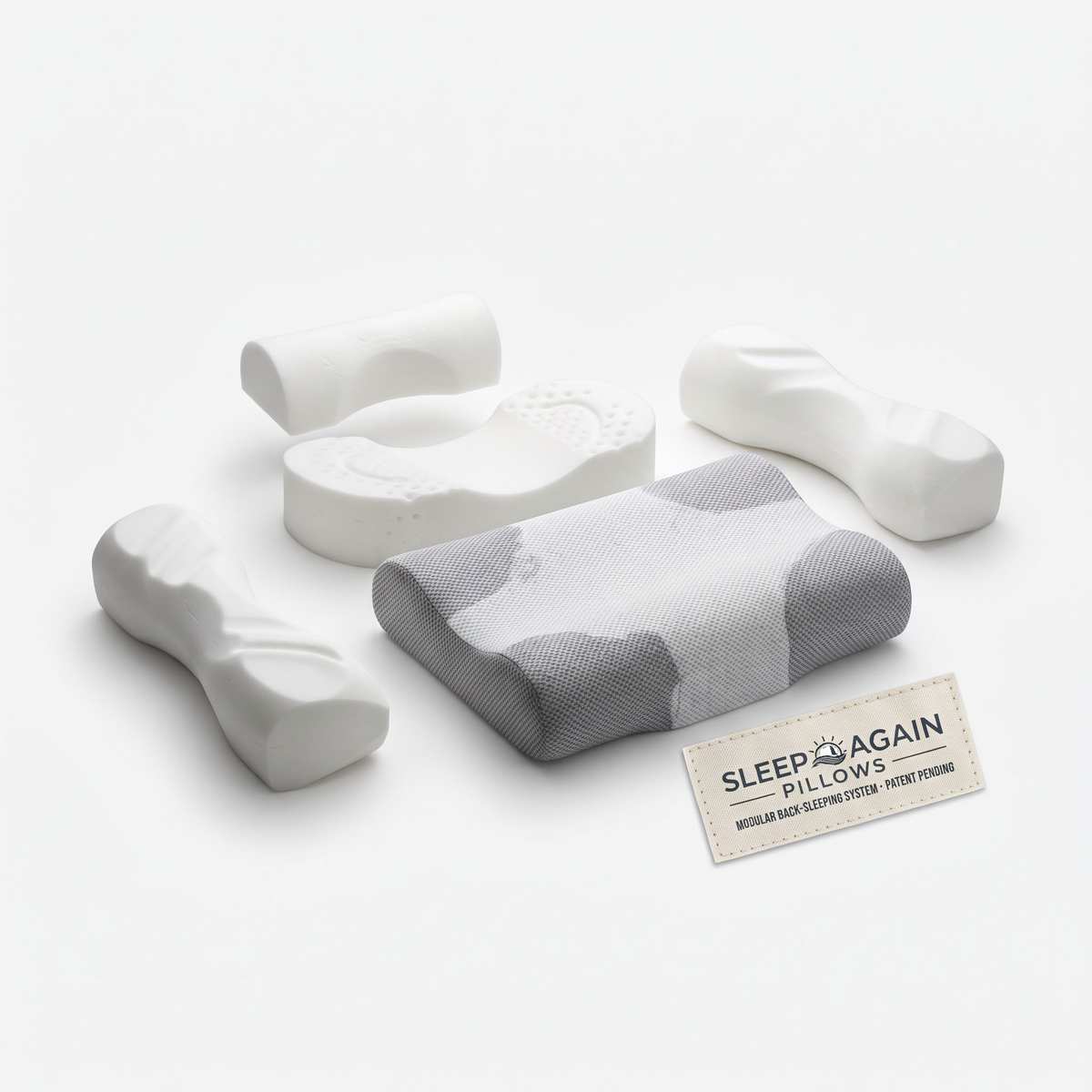
I ranked this #1 for mastectomy recovery because the five-piece system is built around a single non-negotiable requirement — staying on the back all night. My analysis showed the wider-than-standard wedges are what make that enforceable; a single wedge lets you roll. For this specific recovery, the system’s constraint is the feature.
This five-piece system is built specifically to keep a mastectomy patient securely on her back through the entire night. It utilizes wider-than-standard wedges measuring 30 inches across, rather than a typical 24-inch wedge, paired with two separate side bolsters. This modular approach eliminates the need to rely on a single pillow to do every job at once.
Most post-mastectomy medical guidance centers heavily on staying off the surgical side and avoiding pressure on the chest. That advice is straightforward but incredibly hard to follow for natural side sleepers. The Sleep Again system physically blocks the patient from rolling over in their sleep, which prevents accidental damage to drains or incisions.
Pros
- Physically prevents unconscious rolling during the night.
- Extra-wide 30-inch wedge accommodates broader shoulders comfortably.
Cons
- Very high premium price point compared to standard wedges.
- The full 5-piece setup takes up a massive amount of bed space.
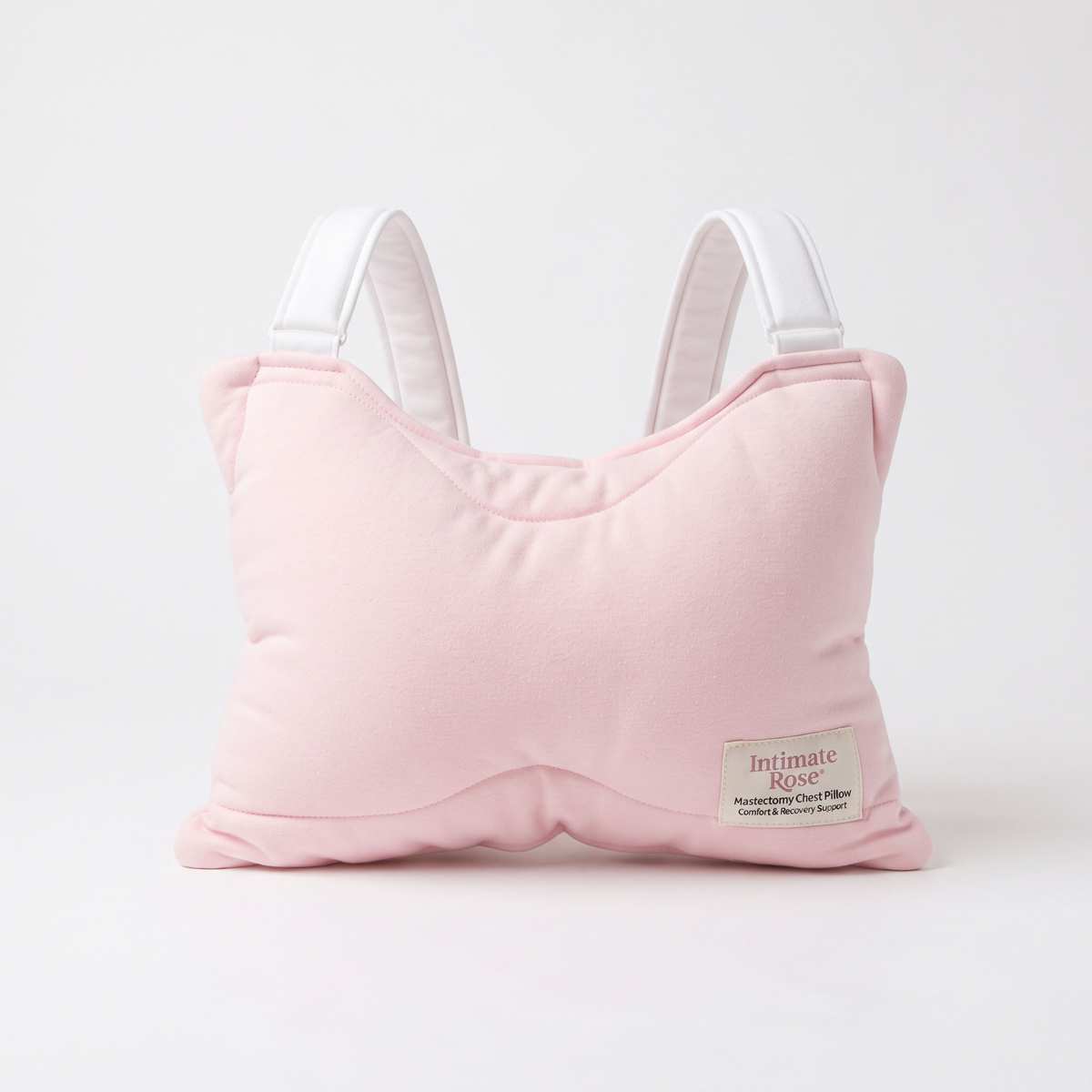
This earned its spot as the daytime protection pick — a wearable pillow worn across the chest against seatbelts, pets, and children. My use-case comparison showed none of the bed-based systems address moving around during the day. It’s a different problem from sleep positioning, and this is the only pick here that solves it.
This is a wearable option rather than a bed-based sleep system. It is worn directly across the chest with adjustable shoulder straps so it moves with the body during the day. This provides a continuous physical buffer between healing surgical sites and the outside world.
Three removable inner pillows sit inside a stretch case, letting you adjust the overall thickness as post-surgical swelling changes. Unlike the Sleep Again system, which is built entirely around staying in one bed position overnight, this pillow is explicitly designed to be worn out of the house or in a vehicle.
Pros
- Wearable straps keep the pillow securely against the chest while walking.
- Provides a vital padded barrier against seatbelts during car rides.
Cons
- Does not assist with overnight positioning or back-sleeping support.
- Can feel warm and restrictive when worn for several hours straight.
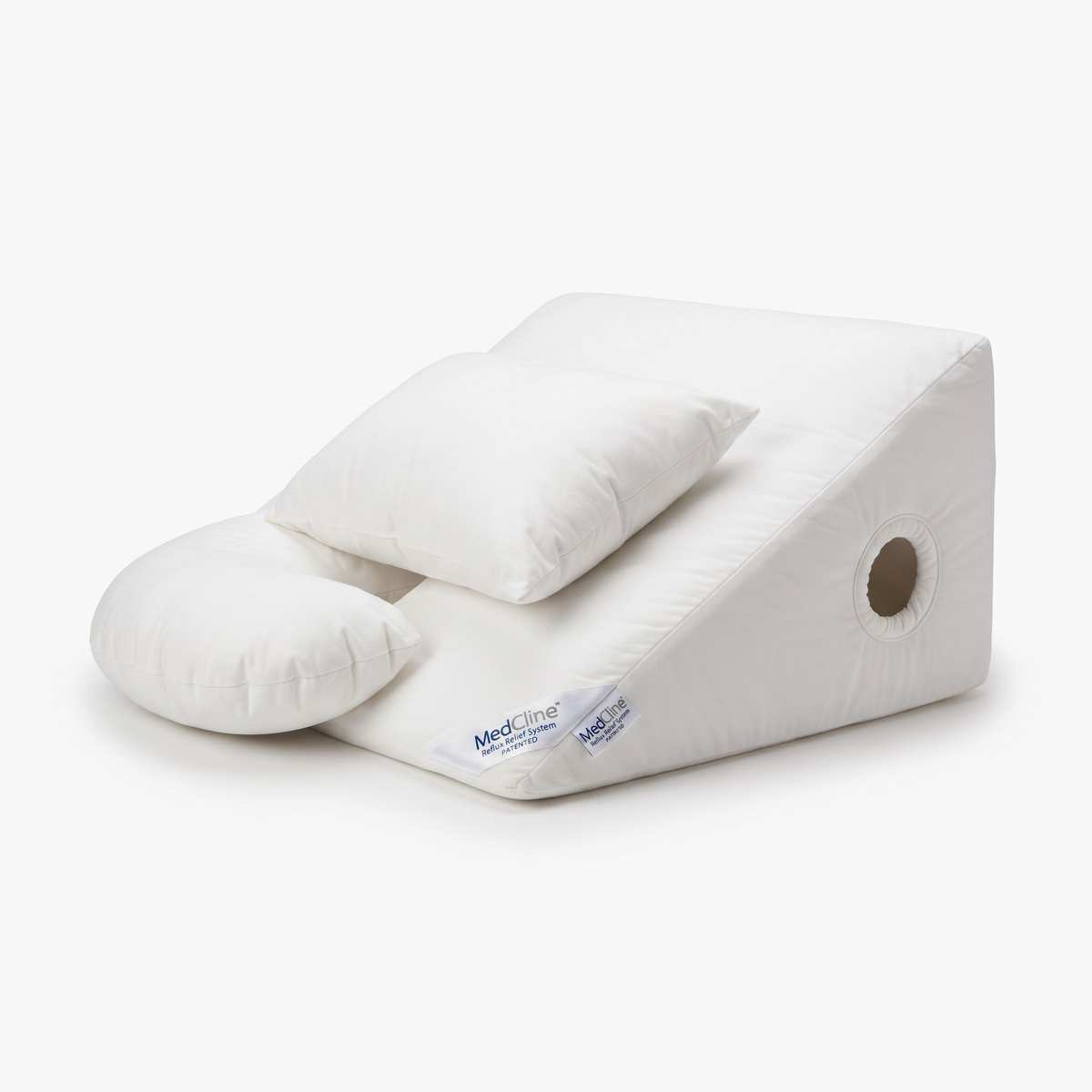
I ranked this for rotator cuff recovery because the patented arm pocket plus the gentle 10-degree incline is meaningfully different from standard wedges — my angle analysis showed 30–45 degrees is wrong for shoulder surgery, where the requirement is side-sleeping without loading the joint. The lower incline is the correct prescription for this diagnosis.
This system is built around a patented arm pocket and a deliberately gentle 10-degree incline. This is meaningfully lower than the 30 to 45 degrees typical of a general acid reflux wedge. The mechanical goal here is keeping the shoulder joint level and unloaded, not propping the entire torso completely upright.
The system comprises three pieces: a shoulder relief wedge, a therapeutic body pillow, and a smaller insert pillow. They work together to lift the torso just enough to let the painful downside arm drop into the pocket, completely removing pressure from the surgical site while maintaining a side-sleeping posture.
Pros
- Arm pocket completely removes body-weight pressure from the downside shoulder.
- Allows patients to comfortably sleep on their side post-surgery.
Cons
- The massive wedge takes up nearly half of a standard mattress.
- Takes several nights of trial and error to position the arm correctly.
~$250
Check on MedCline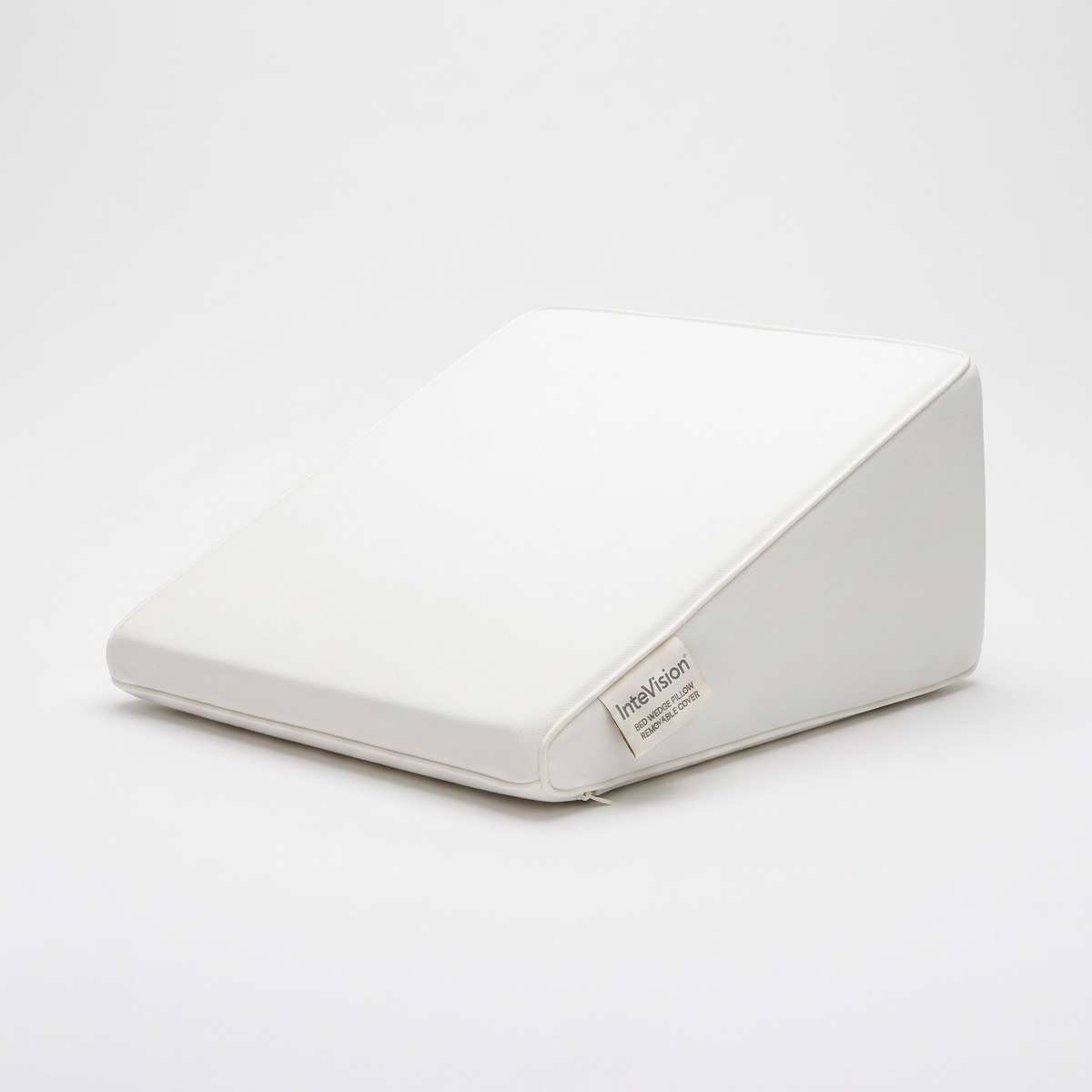
This is the general-purpose default — my analysis says most post-op elevation needs (knee, leg, facial) just require reliable gravity assistance, not a diagnosis-specific system. I ranked it here because simple and versatile beats specialized when the surgery doesn’t dictate the geometry. Don’t buy a mastectomy system for a knee scope.
This is a general-purpose elevation wedge, not built around any single surgery type. That simple versatility makes it the right default choice for post-op elevation needs that fall outside the highly specific mastectomy or shoulder use cases outlined above. At 26 by 25 by 7.5 inches in its standard version, it fits easily into a normal bed setup.
The wedge is built around a two-inch gel memory foam top layer fused over a firmer polyurethane base. This dual-layer construction prevents the user from sinking straight through to the mattress while still providing enough surface contouring to prevent pressure sores on the heels or lower back.
Pros
- Dual-layer foam balances firm structural support with soft surface contouring.
- Highly versatile for either upper body elevation or knee and leg propping.
Cons
- Lacks the specialized cutouts needed for dedicated shoulder or chest relief.
- The standard cover is functional but not exceptionally soft or breathable.
~$50
Check on AmazonWhy a Gentler Incline Beats a Steeper One, Depending on What You’re Protecting
The instinct with any recovery pillow is to assume more elevation equals more protection, and that assumption holds for some surgeries and actively works against others. A steep 30 to 45 degree wedge, the standard angle for reflux and general swelling reduction, is doing a specific job: using gravity to keep fluid and pressure away from a surgical site on the torso or abdomen.
That same steep angle does very little for a shoulder recovering from rotator cuff repair, which is why a dedicated shoulder system uses roughly 10 degrees instead, a small enough incline that its real function isn’t elevation at all, it’s the arm pocket underneath that keeps the joint from bearing weight. Reaching for the tallest, steepest wedge available because it seems like the most “serious” recovery product can leave a shoulder-surgery patient with a pillow that solves a problem they don’t have while ignoring the one they do.
The practical takeaway: match the product to the joint or area actually being protected, not to whichever pillow has the most dramatic-looking angle. A general elevation wedge, a mastectomy-specific system, and a shoulder-specific system are not interchangeable, even though they all get marketed under the same “post-surgery pillow” umbrella.
Sourcing Notes on This Comparison
We selected one pillow per recovery category (mastectomy bed system, mastectomy wearable, shoulder-specific incline system, and general elevation wedge) rather than ranking several similar products within one category, because the type of surgery is what determines which mechanical design actually helps. Every dimension, angle, and fill description above comes from current manufacturer specification pages and gets re-verified on each content refresh. None of this is medical advice; it describes comfort and positioning products, not treatment, and your surgeon’s specific post-op instructions should take priority over anything here.
FAQs
Do I need to buy a specialized post-surgery pillow?
You rarely need an expensive specialized pillow. Most patients find that stacking four or five standard pillows works just as well. This Lego method allows you to adjust the height and angle precisely as your swelling decreases. Specialized wedges are sometimes too firm for the initial recovery phase.
How should I sleep after abdominal surgery to avoid pain?
Keep your upper body elevated with a wedge pillow and place another soft pillow directly over your stomach. Hugging this soft pillow acts as a physical barrier and absorbs pressure if you cough or sneeze. Always confirm your specific elevation requirements with your surgical team.
What is the best pillow setup for shoulder surgery recovery?
A firm airplane-style neck pillow keeps your head aligned and prevents leaning. Pair this with a recliner for the first few weeks if bed mobility is restricted. Just make sure the neck pillow is firm enough to stop your head from rolling onto the surgical side.
Recovery pillows need covers you can wash constantly. Our Pillow Guides round up the protector and case options built for that.