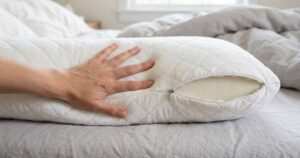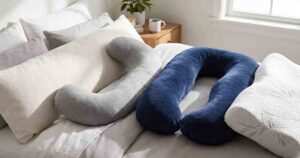
Yellowing is caused by sweat, body oil, and oxidized fill fibers penetrating unsealed fabric covers. Below is the material-by-material breakdown of why oxidation happens, plus how to prevent future fluid penetration using waterproof versus breathable encasements in our buyer’s guide to best pillow protectors.
Yellowing is oxidation chemistry, not a hygiene failure. I treat it as a material-science problem, not a cleaning problem. The prevention hierarchy I derived from the material breakdown: a quality protector from day one beats every cleaning method, because once sweat oxidizes inside the fill, you’re managing damage, not reversing it. Wash the protector, not the pillow.
The Short Answer: Yellowing Isn’t Dirt, It’s Chemistry
A pillow doesn’t turn yellow because it’s dirty in the way a stained shirt is dirty. It turns yellow because sweat, saliva, and skin oils are absorbed into the fill material over years of nightly use, and those substances oxidize on contact with air the same way a cut apple browns. In polyester and down fill, the yellowing sits mostly in the fibers themselves. In polyurethane memory foam, the material also oxidizes on its own over time from UV and oxygen exposure, independent of anything your body contributes, which is why even a pillow kept in a sealed case can develop a faint amber tint after a few years.
That distinction matters because it changes what actually fixes the problem. Surface cleaning removes what’s on top of the fibers. It does very little for oxidation that has already happened inside them. This guide covers the full material-by-material care routine, not just yellowing, since the same washing, drying, and humidity habits that slow yellowing are also what keeps a pillow supportive and hygienic for its full lifespan. If yellowing specifically is what brought you here and you want the deeper material chemistry, why pillows turn yellow gets a full standalone treatment; this guide keeps that section brief and focuses on the complete care picture.
Care by Material: What Actually Works
1. Memory Foam
Solid memory foam should never go in a washing machine or be submerged. Washer agitation breaks down the foam’s cell structure permanently, and a fully saturated foam core can take days to dry from the inside, which invites mold growth in the meantime. The correct method is a damp cloth with a small amount of mild detergent, blotted rather than rubbed, followed by a second clean damp cloth to lift the soap back out, then air drying flat in a well-ventilated space away from direct sun. Shredded memory foam pillows are more forgiving; many have a machine-washable outer cover even though the foam pieces themselves still shouldn’t be machine washed or dried on heat.
The oxidation issue specific to memory foam is worth understanding on its own, separate from anything sweat or oil contributes. Polyurethane foam continues reacting slowly with oxygen in the air for its entire lifespan, a process that accelerates with heat and light exposure. This is why an unused foam pillow stored for years in a closet can still develop a faint yellow tint, and why foam pillows kept near a sunny window tend to discolor faster along the exposed edge than the shaded underside. Keeping a foam pillow out of direct, prolonged sunlight and inside a breathable cover slows this process meaningfully, even though it can’t stop it entirely, since the oxidation is a property of the polymer itself rather than something external that washing can remove.
2. Latex
Latex behaves similarly to memory foam in that it should be spot cleaned, not machine washed, since prolonged water exposure and washer agitation can break down the cellular rubber structure. Latex has one additional vulnerability foam doesn’t: direct, prolonged UV exposure accelerates the natural rubber’s breakdown over time, causing it to become brittle and crack years before it otherwise would. A quick period of morning sun to air out odor is fine; leaving a latex pillow core in direct sunlight for hours, repeated over months, is not.
Dunlop and Talalay latex, the two dominant processing methods, hold up slightly differently under repeated compression and humidity. Dunlop latex, which is denser and settles with more sediment toward the base during processing, tends to be somewhat more resistant to long-term compression set, the gradual, permanent flattening that happens when a cellular material is compressed the same way, in the same spot, for years. Talalay latex, processed with a flash-freeze step that creates a more uniform, open cell structure, breathes better and feels lighter but can show compression wear slightly sooner under identical use. Neither difference changes the care routine, spot clean, indirect drying, but it does explain why two latex pillows of the same age from different processing methods can feel noticeably different in how much loft they’ve retained.
3. Down and Feather
Down and feather pillows are among the few types that generally can go in a washing machine, using warm water, a small amount of mild liquid detergent, and a gentle cycle. The step people skip is drying: down needs to be completely, thoroughly dry, not just surface dry, or the plumes trap moisture and develop mold and a persistent musty odor. A dryer on low heat with a few dryer balls or clean tennis balls helps break up clumps as the down redistributes; this is the one material type where that trick genuinely earns its reputation, unlike the sun-drying approach covered below. If you’re skipping the dryer, see how to dry pillows without tennis balls for the air-dry alternative and why it takes considerably longer.
The reason down needs such thorough drying comes down to structure. A single down plume is a three-dimensional cluster of fine filaments radiating from a central point, not a flat fiber like polyester, which means water gets trapped deep inside the cluster rather than sitting on a surface that air can quickly reach. A down pillow that feels dry to the touch on the outside can still be damp at its core for a full extra day, which is exactly the window mold needs to establish itself. Squeezing (not wringing) excess water out before drying, and running an extra spin cycle if the washer allows it, both meaningfully cut down on that hidden moisture before drying even starts.
4. Wool
Wool pillows are typically hand-wash or dry-clean only; wool fibers felt and shrink irreversibly under washing-machine agitation combined with heat, the same mechanism that turns a wool sweater into a smaller, denser version of itself in a hot wash. Spot cleaning with cool water and a wool-safe detergent handles most day-to-day maintenance. Wool’s genuine advantage is that it’s naturally moisture-wicking and somewhat self-regulating, which means it needs less frequent full washing than synthetic fills to stay fresh, provided it’s aired out regularly in a dry space. Wool fiber is also naturally more resistant to dust mites than most other fill materials, since its structure and moisture-wicking properties make it a less hospitable environment for mites to establish a colony, which is part of why wool needs a full wash less often even under otherwise similar conditions.
5. Buckwheat Hulls
Buckwheat pillows separate cleanly into two components that need different care: the hulls and the cotton casing. The hulls themselves aren’t washed; they’re emptied out, spread in a single layer in indirect sunlight or a dry, ventilated space for a few hours to air out odor and moisture, then returned to a freshly washed casing. Direct, intense sun for extended periods can dry the hulls out to the point of becoming brittle and cracking, so indirect airing is the safer approach despite direct sun being the more commonly repeated advice.
6. Synthetic Fiberfill and Polyester
Polyester and synthetic down-alternative fills are the most forgiving material on this list. Most can be fully machine washed and machine dried on low to medium heat without the structural risk that foam, latex, or wool carry. This is also the fill type most likely to compress and lose loft permanently after repeated washing, so while the washing itself is low-risk, expect a gradual, cumulative flattening that eventually signals it’s time to replace rather than continue washing.
The Myth: Sun-Drying Is Always the Right Move
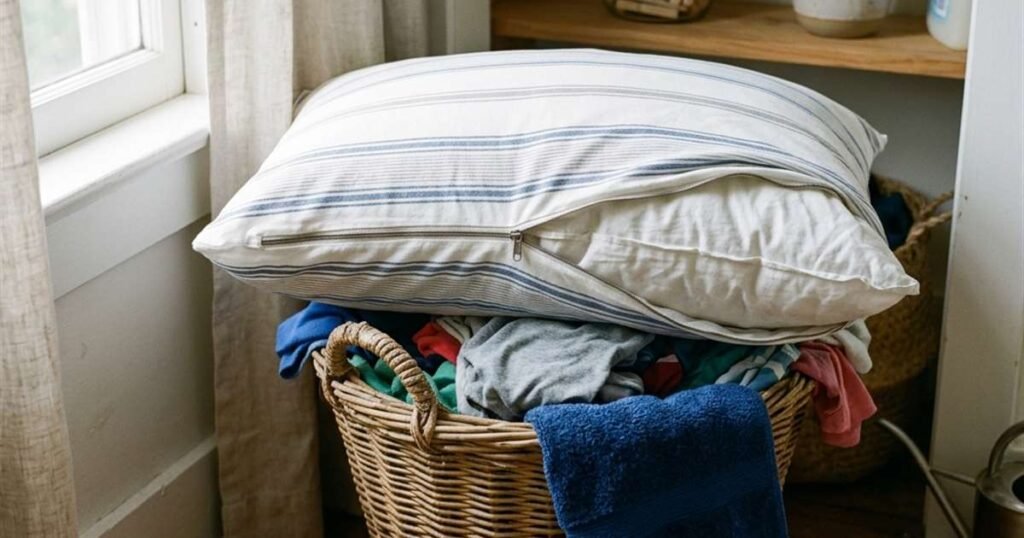
Drying high-density fill requires gentle heat distribution to avoid clumping or thermal degradation of foam cell walls. If you do not have dryer balls available, check our step-by-step methods on how to dry pillows without tennis balls based on your fill material.
Sun-drying a pillow is close to universal advice online, and it’s not wrong for every material. But it’s repeated as a blanket rule when it’s really a trade-off that depends on what the pillow is made of. Heat and direct UV genuinely help with two things: they contribute to the temperature threshold needed to kill dust mites, and they can reduce musty odor from trapped moisture in down and feather fill. Mayo Clinic’s guidance on dust mite control specifies that bedding needs to reach at least 130°F (54.4°C), sustained, to actually kill mites and denature their allergen proteins, a threshold casual sun exposure on a mild day often doesn’t reliably hit, which is part of why the dryer, not the sun, is the more consistently effective method for allergen reduction specifically.
Where the sun-drying myth actually causes damage is on latex, on any pillow with an elastane or spandex blend in the cover fabric, and on synthetic dyes that fade under repeated UV exposure. Latex and elastane are both polymers that degrade under sustained UV and heat, becoming brittle and losing elasticity years before they otherwise would. The fix isn’t to avoid sun exposure entirely, since airing a pillow out does help with odor and moisture regardless of material. It’s to keep latex, elastane-blend covers, and buckwheat hulls in indirect light or short sun sessions, and reserve extended, direct sun-drying for down, feather, and plain cotton or polyester casings, which don’t share that degradation risk.
How Humidity Affects Every Pillow on This List
Everything above assumes a reasonably dry environment, and that assumption doesn’t hold in every home or climate. Mayo Clinic recommends keeping indoor relative humidity below 50 percent specifically to limit dust mite populations, since mites thrive in humid air and struggle to survive when humidity drops. High humidity doesn’t just affect allergens, it also slows down how completely a pillow dries after washing, which is the single biggest risk factor for mold and mildew developing inside fill material that looks dry on the surface but isn’t dry at its core. If you live somewhere humid or are noticing a musty smell that persists even after washing, how humidity affects sleep covers the environmental side of this in more depth than fits here.
Treating Stains Without Setting Them In
Most pillow stains, sweat rings, drool marks, the occasional spill, respond to the same basic approach regardless of fill material, since stains live on the cover and outer fabric layer rather than deep in the fill itself. Mix a small amount of mild liquid detergent with cool water rather than hot; hot water can set some protein-based stains (sweat, saliva) rather than lifting them, the same reason laundry guides recommend cold water for blood or sweat on clothing. Dab the stain with a clean cloth dampened in the solution, working from the outside of the stain toward the center to avoid spreading it outward, then follow with a second cloth dampened in plain water to rinse the detergent back out before it has a chance to dry into the fabric.
For yellowed patches that have already set in, a paste of baking soda and a small amount of water, left on the stain for twenty to thirty minutes before blotting away, can lift some of the oxidized residue on fabric covers without the bleaching agents found in most commercial stain removers, which can weaken or discolor certain synthetic fabric blends over repeated use. Bleach in particular should be avoided on latex, wool, and most performance fabric covers, since it can degrade the fibers or trigger a chemical reaction with elastane blends that leaves the fabric brittle. If a stain has been present long enough to develop an odor along with the discoloration, that’s usually a sign moisture got trapped underneath rather than just sitting on the surface, worth treating as a drying problem (see the material sections above) rather than only a cleaning one.
How Often to Actually Wash and Replace
| Pillow Type | Washing Frequency | Method | Typical Lifespan |
|---|---|---|---|
| Memory foam (solid) | Spot clean only | Damp cloth, mild detergent, air dry | 2-3 years |
| Memory foam (shredded) | Cover: monthly-3 months. Fill: rarely, if machine washable | Cover machine wash; fill air dry only | 2-3 years |
| Latex | Spot clean only | Damp cloth, indirect-light air dry | 3-4 years, longer with UV protection |
| Down/feather | Every 3-6 months | Machine wash warm, dryer low heat with balls | 3-5 years, up to 10 with care |
| Wool | Spot clean; full wash rarely | Hand wash cool or dry clean | 3-5 years |
| Buckwheat hulls | Air hulls every few weeks; wash casing monthly | Hulls aired indirectly; casing machine washed | Hulls: 3-5 years, casing replaceable separately |
| Synthetic/polyester | Every 3-4 months | Machine wash warm, machine dry low-medium heat | 1-2 years |
Frequency numbers above are a starting point, not a fixed schedule, since actual wear depends on climate, allergy sensitivity, whether pets share the bed, and whether a pillow protector is in use. A protector genuinely changes this math: it intercepts most of the sweat, oil, and skin cells before they reach the pillow fill itself, which is the entire mechanism behind yellowing in the first place, so a protected pillow can often go longer between deep washes than the ranges above suggest. If you don’t already use one, the best pillow protectors is worth a look, since not every protector actually blocks the relevant particles the way a plain cotton case does not.
Knowing when a pillow is past saving, rather than just due for a wash, matters as much as the washing schedule itself. The Asthma and Allergy Foundation of America recommends replacing pillows roughly every two years specifically for allergen accumulation reasons, independent of how a pillow feels or looks; visible yellowing, permanent flattening that no longer bounces back after fluffing, and a persistent odor that survives a full wash cycle are the three physical signs worth checking. A full breakdown of exactly what to look for is covered in our guide to the five signs you need a new pillow.
Decorative and Throw Pillow Care Is a Different Problem
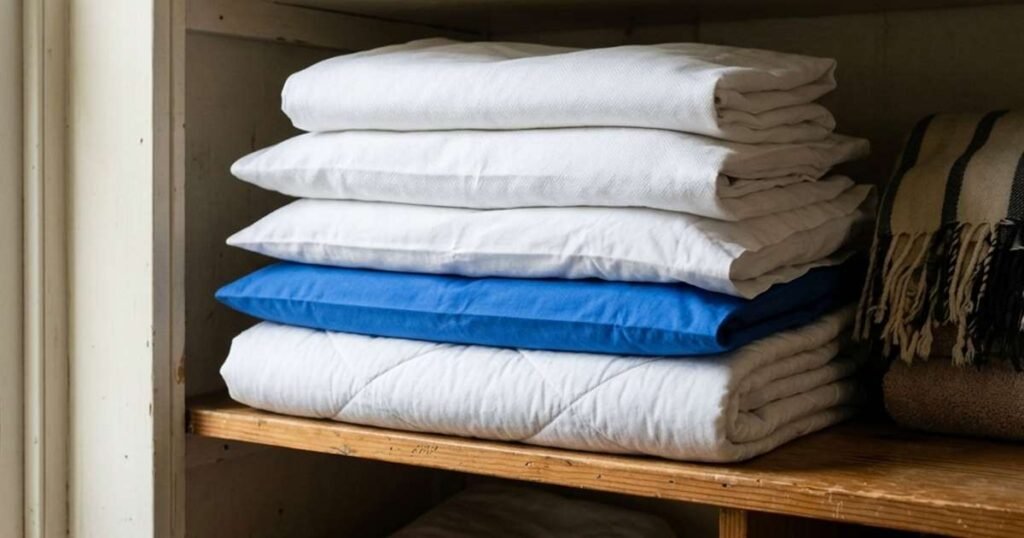
Everything above covers sleeping pillows. Decorative and throw pillows introduce two extra maintenance issues sleeping pillows generally don’t have: fixed inserts that need occasional restuffing as they compress from daytime use, and zippers or closures that see far more open-close cycles over a pillow’s life since covers get swapped seasonally more often than a pillowcase does. If a decorative insert has gone flat or lumpy, how to restuff a decorative pillow covers matching new fill to the original without over- or under-stuffing the shape. If the zipper itself has failed rather than the fill, that’s a separate, much cheaper fix covered in how to fix a pillow zipper rather than a reason to replace the whole insert. For pillows without a zipper at all, styled with a fabric knot instead, the knot pillow tutorial covers that construction and care method specifically, since a knotted cover can’t simply be unzipped and rewashed the way a standard cover can.
Care Beyond the Bed: Pet Bedding and Seasonal Planning
The same principles above, spot cleaning versus machine washing, drying completely rather than partially, and matching method to fill material, apply directly to pet bedding, which tends to accumulate moisture, oil, and odor faster than human bedding due to more frequent contact and outdoor exposure. If a foam dog bed has reached the point of needing a real clean rather than a surface wipe-down, how to wash a large foam dog bed applies the same foam-specific spot-cleaning logic covered above, scaled up for size.
Pulling all of the above into a single recurring schedule, rather than reacting one pillow at a time, is the difference between pillow care as an occasional chore and pillow care as a genuinely low-effort routine. An annual bedding maintenance plan lays out a season-by-season version of everything in this guide, so washing, airing, humidity checks, and replacement timing happen on a schedule rather than only when a pillow visibly needs it.
The Real Takeaway
Yellowing is chemistry, not a cleaning failure, which means the fix is prevention (protectors, correct washing frequency, humidity control) more than it is a deeper scrub after the fact. The material your pillow is actually made of determines almost everything else: whether it can be machine washed at all, whether sun exposure helps or quietly damages it, and how long it can realistically last before allergen accumulation, not appearance, is the real reason to replace it. Match the method to the material above, and the rest of this guide’s linked topics cover the specific edge cases, decorative inserts, pet bedding, humid climates, that a generic one-size wash instruction never quite accounts for.
FAQs
Why did my pillow turn yellow even with a protector?
Sweat and body oils still seep through most basic protectors over time. Even if you sleep cool, your body produces moisture that oxidizes in the pillow fibers. You need a zippered encasement, not just a sleeve, to stop this completely. Keep in mind that once memory foam oxidizes and yellows, you cannot wash the color out.
Can I wash the yellow out of a memory foam pillow?
No, you cannot wash memory foam. Liquid breaks down the cellular structure and causes it to crumble. The yellowing on memory foam is often just oxidation from air exposure rather than sweat. You should replace the pillow if it smells, but surface discoloration alone does not ruin the support.
Does bleach fix yellowed pillows?
Bleach actually makes the yellowing worse in many cases. It breaks down the fabric fibers and locks in the protein stains from sweat and oils. You get better results soaking a polyester pillow in a mixture of baking soda and vinegar before washing. Remember that natural latex pillows will turn brittle if exposed to harsh chemicals.
Prevention beats cleaning every time. Our Pillow Guides round up the protectors and washing routines that stop yellowing before it starts.