
Luxury on a pillow box is a price bracket, not a spec. The real differentiators are all measurable: fill power rating (true luxury starts around 650 to 750), gusseted wall depth for side sleepers, cover thread count of 400 or higher, and third-party certifications like GOLS, GOTS, RDS, or OEKO-TEX. Our best down pillows guide breaks down fill power in more detail if down is the category you’re shopping. This guide compares spec sheets for four pillows across the major luxury fills: down, silk and organic latex, so you can see exactly where each one earns its price.
Everything else on a product page beyond those core specs is usually just marketing copy layered on top. That holds true across the entire premium market, including the hospitality sector. If you’re looking at pillows claiming to be used by five-star resorts, our best hotel pillows guide separates the models actually licensed by properties like Westin and Ritz-Carlton from the ones just borrowing the word “hotel” for the box.
What Luxury Actually Means on a Spec Sheet
The word “luxury” has no regulated definition in bedding. A brand can print it on a $60 polyester pillow with the same legal freedom as a $300 mulberry silk one. The material science, though, draws a real line.
For down and feather fills, the number that matters is fill power, a lab measurement of how many cubic inches one ounce of down occupies when fully lofted. Higher fill power means superior warmth retention without extra physical weight. For GSM measurements and thermal specs across cold-weather bedding layers, explore our review of best bedding for winter alongside high-loft down options. Parachute’s Down Pillow publishes a 750 fill power built from an 85/15 down-to-feather blend, which puts it solidly in the range material scientists consider genuine luxury-grade down.
Thread count matters far less than marketing suggests, but it isn’t nothing: a cover woven at 400+ threads per square inch, like the sateen shell on the Brooklinen Down Pillow, holds fine down clusters inside more reliably than a 200-count cover and resists the fabric going threadbare under nightly friction.
Certification is the metric shoppers skip most often and should check first. GOLS (Global Organic Latex Standard) requires 95%+ certified organic latex content to earn the label – not just an “organic-inspired” marketing claim. GOTS covers the organic cotton casing. RDS (Responsible Down Standard) verifies the down wasn’t live-plucked or force-fed. OEKO-TEX Standard 100 tests the finished product for harmful substances. A pillow can be expensive without carrying any of these; a pillow that carries all of them has paperwork behind its claims, not just a price tag.
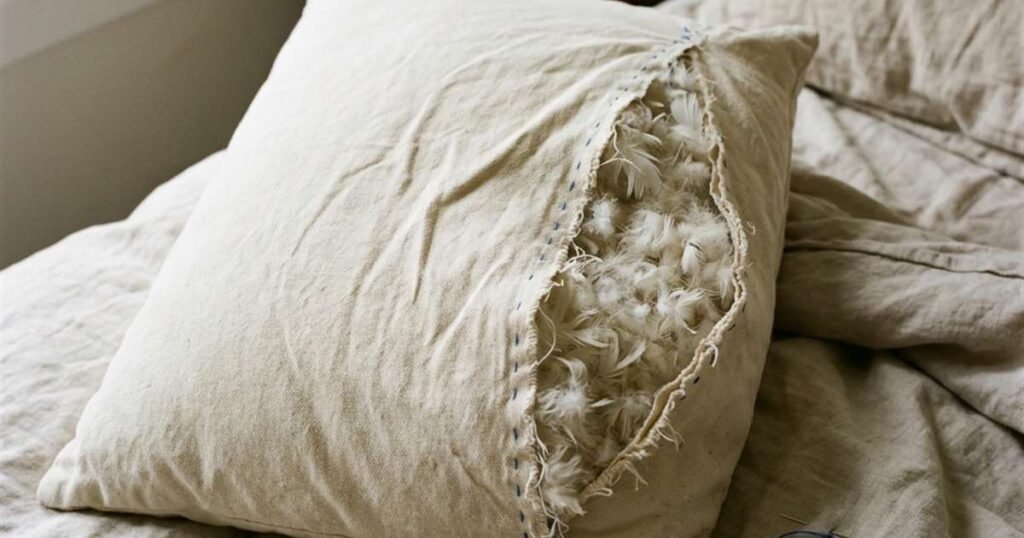
Luxury Pillow Spec Comparison
| Pillow | Fill Type | Key Spec | Cover | Certifications | Price Tier |
|---|---|---|---|---|---|
| Parachute Down Pillow | 85% down / 15% down-feather blend | 750 fill power, 3.5-in gusset | Cotton | RDS, OEKO-TEX, Climate Neutral | High |
| Brooklinen Down Pillow | Canadian duck down/feather, dual-core | 400-thread-count shell, 20/80 to 86/14 cluster ratios by firmness | 100% cotton sateen | OEKO-TEX, Ultra-Fresh antimicrobial | Mid |
| Cozy Earth Silk Pillow | 100% long-strand mulberry silk | Roughly 5-6 in loft, non-adjustable | Bamboo viscose | OEKO-TEX | High |
| Avocado Green Pillow | GOLS-certified organic latex + GOTS kapok, 70/30 by weight | Adjustable fill, ~3 lb standard | GOTS organic cotton | GOLS, GOTS, GREENGUARD Gold, MADE SAFE | Mid |
4 Best Luxury Pillows
Disclosure: Brocia analyzes products using manufacturer specs and published research, not our own hands-on tests. If you buy through our links, we may earn a commission at no extra cost to you. It never affects our rankings or verdicts. See our Review Process and Affiliate Policy.
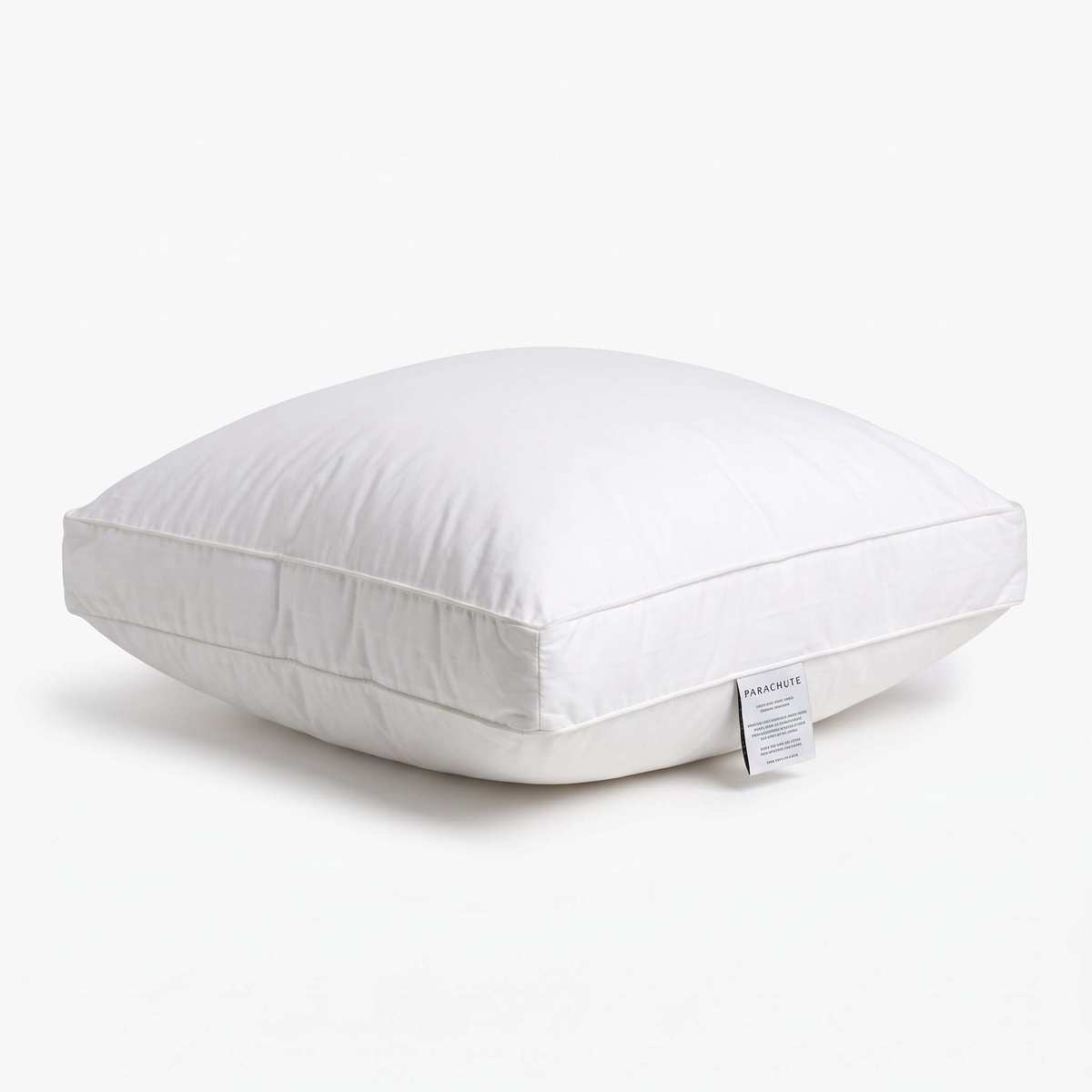
I ranked this at the top of luxury because 750 fill power at an 85/15 down-to-feather ratio is a verifiable spec, not a vibe — my comparison showed most ‘luxury’ down pillows hide their fill power. The edge support for shoulder gaps is what separates it from cheaper down that collapses by midnight.
The Parachute Down Pillow sits at the top of the luxury category because it utilizes high-end 750 fill power down in an 85/15 down-to-feather ratio. It provides the classic sink-then-rebound feel that only genuine down clusters can achieve by trapping air rather than compressing into a static foam block.
What separates this model from cheaper down options is its 3.5-inch fabric gusset running along the seam. That gusset depth approximates the physical gap between a side sleeper’s shoulder and head. This ensures the pillow holds its shape at the perimeter instead of collapsing completely flat under weight.
Pros
- Thick gusset completely changes how the pillow structurally supports side sleepers.
- Carries Responsible Down Standard (RDS) and OEKO-TEX certifications.
Cons
- Premium down clusters require daily fluffing to maintain their high-lofted appearance.
- Must be dry cleaned to avoid ruining the internal cluster integrity.
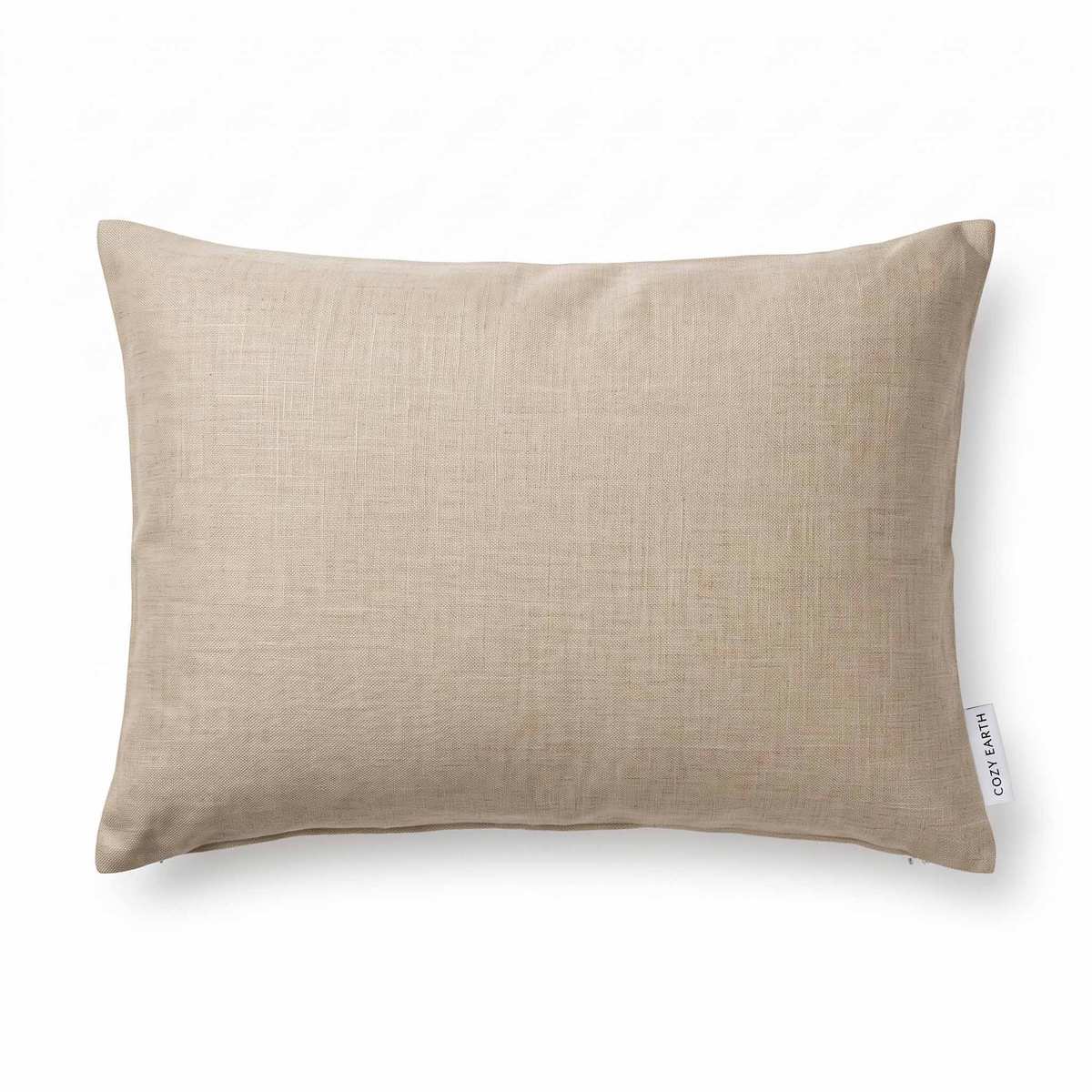
This earned its spot as the temperature-neutral luxury pick. My analysis: silk fill has no fill-power equivalent, so I judged it on drape and thermal behavior instead — and for sleepers who run hot but want luxury feel, silk’s passive regulation beats down’s insulation. No feathers poking through is a real secondary win.
Silk-filled pillows operate on entirely different metrics than down. They do not have a fill-power rating because that is a down-specific test. Instead, luxury in this category is determined by fiber grade, strand length, and the cover material used.
The Cozy Earth Silk Pillow uses 100% long-strand mulberry silk fill inside a highly breathable bamboo viscose cover. Silk naturally repels dust mites and offers arguably the best passive temperature regulation of any bedding material on the market. It provides a unique, heavy draping sensation that conforms closely around the neck rather than bouncing back aggressively like foam.
Pros
- Mulberry silk and bamboo viscose combine to create an incredibly cool sleep surface.
- Completely hypoallergenic and naturally resistant to dust mites.
Cons
- Non-adjustable fill means you are locked into the factory loft height.
- Flattens out significantly under weight compared to buoyant down or latex.
~$330
Check on Cozy Earth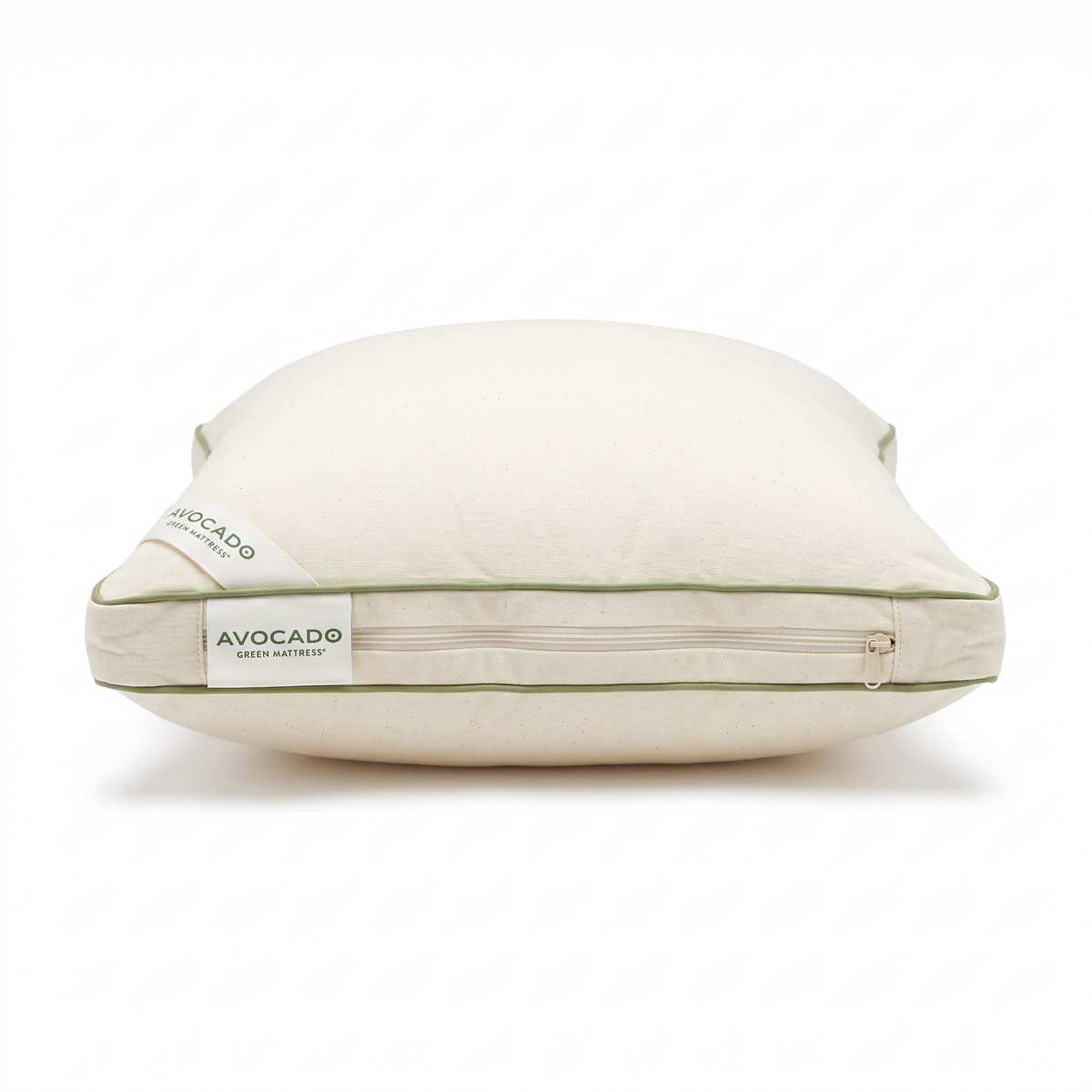
I ranked this as the eco-luxury pick because it’s the only one here where ‘luxury’ and verified organic sourcing overlap — my certification check confirmed the paper trail the others lack. If sustainability outranks cloud-softness for you, latex is the correct fill class; if softness wins, look at the down picks above.
If allergy safety and sustainability rank above pure cloud-like softness on your priority list, latex is the fill class built for that exact brief. The Avocado Green Pillow is the only option here that comes heavily certified at the raw-material level, not just the finished-product level.
It uses a 70/30 blend by weight of GOLS-certified organic shredded latex and GOTS-certified organic kapok fiber, encased in a GOTS organic cotton shell. This creates a highly resilient, buoyant feel. Because the fill is accessible via a zipper, it stands as one of the very few luxury options that allows you to manually adjust the loft height after purchase.
Pros
- Carries the highest possible tiers of organic and safety certifications (GOLS, GOTS, MADE SAFE).
- Kapok fiber softens the aggressive bounce of pure latex to create a luxurious, plush feel.
Cons
- Heavier and denser than traditional down, weighing roughly 3 pounds in the standard size.
- Adjusting the shredded latex and kapok fill can be a messy process.
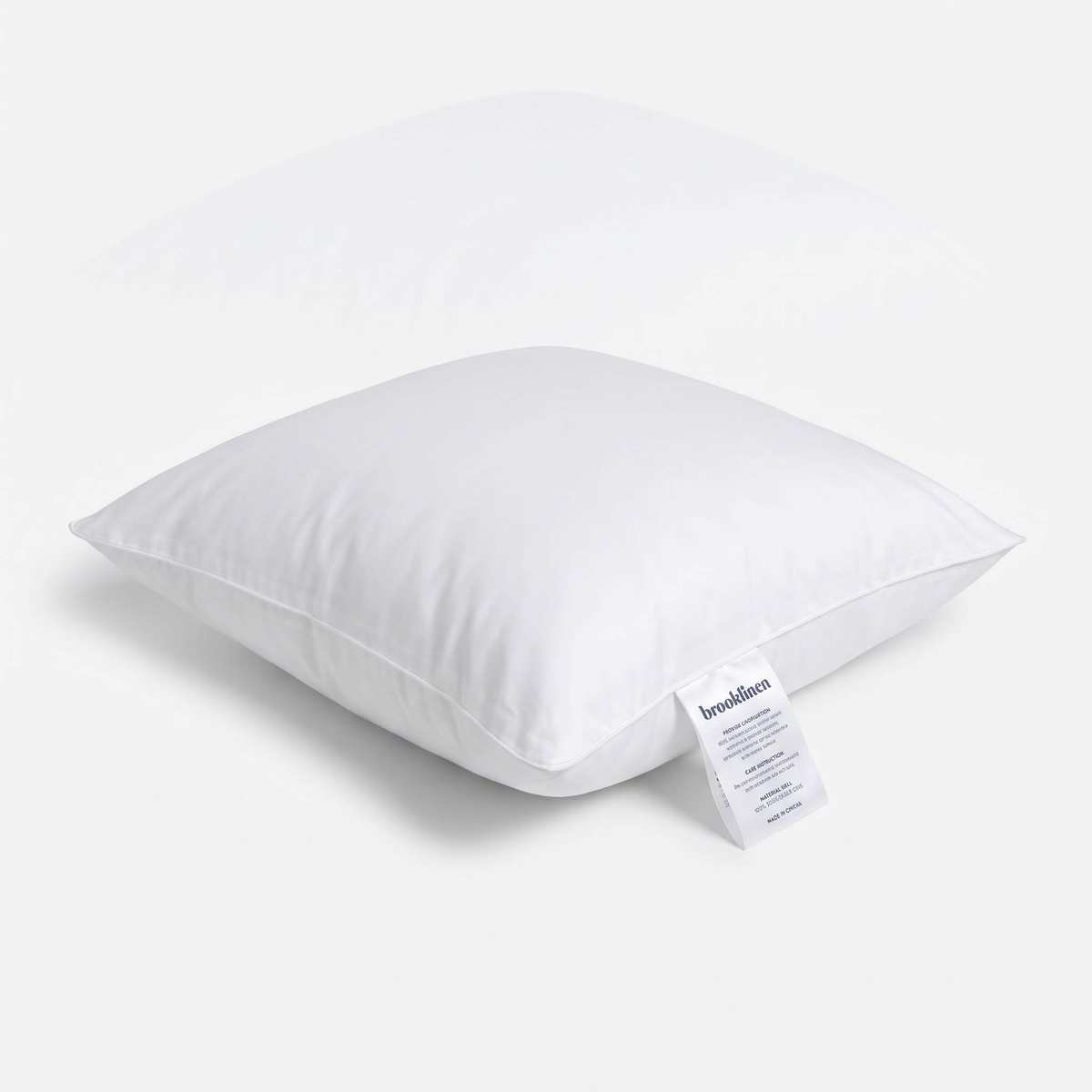
My analysis put this here for the buyer who wants down luxury with structural control — the dual-core construction (feather inner, down outer) is the most engineered approach on this list. I ranked it for position-specific buyers: you choose density by sleep position instead of accepting one loft. More deliberate than the Parachute, less simple.
The Brooklinen Down Pillow takes a highly structured approach to luxury with a dual-core construction. It features a feather-filled inner chamber designed specifically for shape retention, which is then wrapped in an outer chamber of soft Canadian duck down for surface plushness.
Instead of relying purely on fill power, Brooklinen adjusts the actual cluster-to-feather ratio across its firmness options. It shifts from 20/80 in the Mid-Plush to 86/14 in the Firm version, offering a more direct lever on how the pillow feels. Wrapped in a 400-thread-count cotton sateen shell with OEKO-TEX certification, it sits securely in the premium tier while keeping the price slightly lower than boutique competitors.
Pros
- Dual-core chamber design prevents the sharp feather quills from poking through the surface.
- Varying feather-to-down ratios allow you to dial in exact firmness levels.
Cons
- Duck down does not trap quite as much insulating air as ultra-premium goose down.
- Must be dry cleaned to maintain the integrity of the inner feather core.
~$119
Check on Brooklinen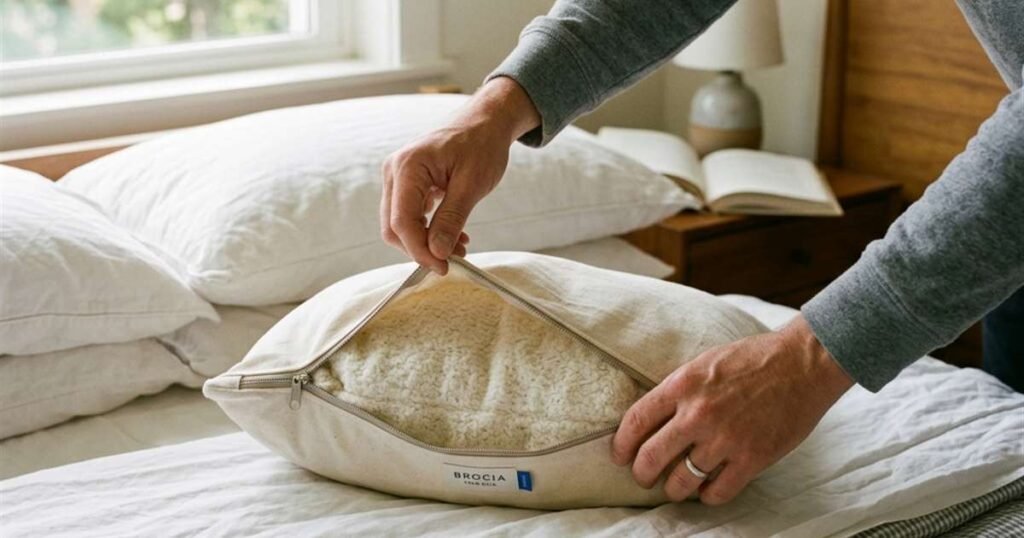
Gusseted Construction: Why It Matters More Than the Fill Itself
A pillow’s gusset – the strip of fabric sewn into the side seam – is one of the least-marketed specs that has the most measurable effect on how a pillow performs under a side sleeper’s shoulder. A flat-sewn pillow (no gusset) collapses at the edges under weight; a gusseted pillow holds a box shape that keeps the head at a more consistent height through the night. That structural difference is also why gusset depth is worth checking before buying.
“Hand-Crafted” Down: Real Construction Difference or Marketing Language?
Several luxury brands print “hand-crafted” or “hand-filled” on down pillow packaging. Sometimes that reflects a real manufacturing difference – hand-filling allows finer control over cluster distribution than machine-blown filling, which can leave thin spots. Sometimes it’s a label with no verifiable process behind it. Before paying a premium specifically for that claim, here’s how to tell the difference between genuine hand-crafted down construction and a marketing term.
Does a Protector Ruin the Feel You’re Paying For?
If you’re spending $150-300 on a pillow, the instinct to skip a protector to preserve the “feel” is understandable – and largely unnecessary with the right protector. Whether a pillow protector actually changes the feel of a luxury pillow comes down to the protector’s own material, not the luxury pillow underneath it.
The Contrarian Reality: Thread Count Is the Least Important Number on This List
Most luxury pillow marketing leads with thread count because it’s the easiest number for a shopper to compare at a glance. It shouldn’t be the deciding factor. A 1,000-thread-count cover wrapped around a low fill-power, non-certified down fill will still go flat within a year or two, because thread count describes the shell, not the substance inside it doing the actual work of supporting your head and neck. Fill power, gusset depth, and certification are structural and material claims you can verify against a spec sheet. Thread count above roughly 300-400 is a diminishing-returns marketing number – past that point, you’re paying for a marginally smoother hand-feel, not meaningfully better durability or support.
The Bottom Line
A luxury pillow earns the label through fill power, gusset construction, and verified certification – not price alone. For hotel-style down, the Parachute Down Pillow’s 750 fill power and 3.5-inch gusset are genuine luxury-tier specs. For value in the down category, Brooklinen’s 400-thread-count shell and OEKO-TEX certification deliver most of the trust signals at a lower price. For cooling, the Cozy Earth Silk Pillow’s long-strand mulberry fill is the standout. And for allergy safety, sustainability, or adjustability, the Avocado Green Pillow’s GOLS and GOTS certifications are the only ones in this set verified at the raw-material level.
FAQs
Why do the luxury hotel pillows I buy directly from the hotel go flat in 6 months?
Hotel pillows feel amazing because they are fluffed daily by housekeeping and replaced frequently. However, they are commercial-grade products designed for bulk purchase, not for years of residential durability. A true luxury residential pillow uses a much higher fill power (700+) than the typical 500-fill commercial pillows hotels use.
How do you choose between medium and firm online when spending $200 on a down pillow?
The safest approach is to choose a brand that offers adjustable fills or a generous trial period. Because ‘medium-firm’ is entirely subjective and not standardized across the industry, the r/Bedding community strongly advocates for pillows with zippered access so you can physically add or remove fill to match your exact shoulder geometry.
Are heavily advertised direct-to-consumer luxury bedding brands actually better than specialist brands?
Often, no. As heavily marketed brands scale up production, quality consistency can decline. You are generally better off buying from specialized linen companies (like St. Geneve or DeWoolfson) that are fully transparent about their down sourcing, fill power, and cluster-to-feather ratios, rather than relying on lifestyle marketing.
Why do some people prefer shredded latex over down for a luxury feel?
While down offers that classic ‘sink-in’ hotel feel, it compresses under sustained weight. Shredded latex offers a luxurious, plush surface but actually pushes back against your head, maintaining its loft all night. Many side sleepers switch to shredded latex because they are tired of their expensive down pillows flattening out by 3 AM.
At these prices, maintenance is part of the purchase. Our Pillow Guides detail washing and storage for high-fill-power pillows.