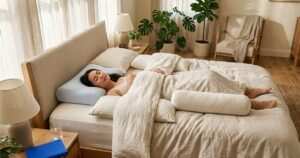
Pediatric guidance generally puts age 2 as the earliest safe starting point for a toddler pillow. Two other specs matter just as much: a firm loft between 2 and 3 inches, and a footprint no larger than 13×18 inches. This guide checks four toddler pillows against those safety specs directly. Your pediatrician’s guidance always comes first.
The instinct when shopping for a toddler’s first pillow is to look for something soft and plush, the same qualities that sell adult pillows. Pediatric guidance says the opposite: a toddler’s first pillow should be firm, thin, and small, because a soft pillow that molds around a young child’s face is the one most likely to cause a problem if they roll into it before they’ve built the motor control to push it away.
What the Specs Reveal
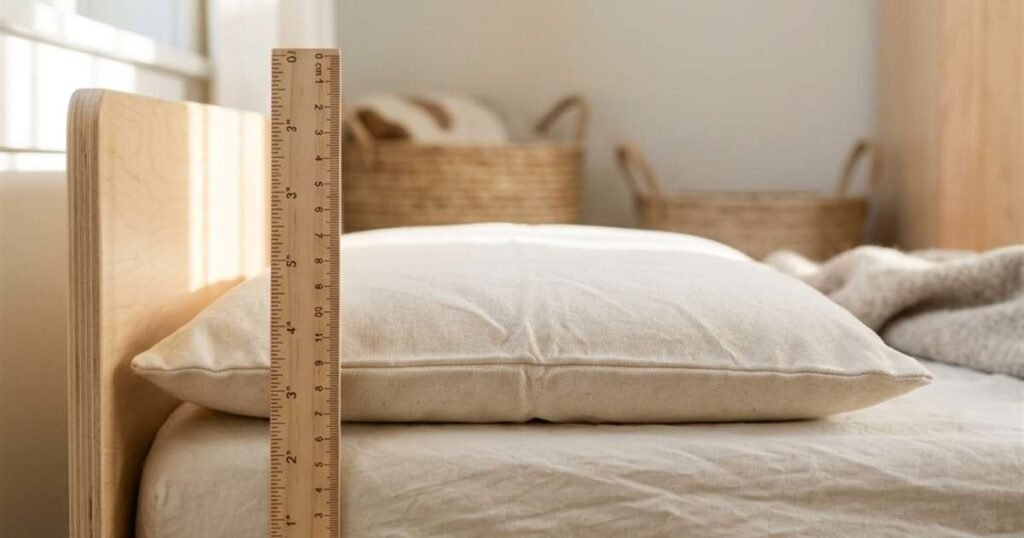
The number that matters most for a first toddler pillow is loft, followed closely by footprint and fill. Below are four pillows that sit in or near the 2 to 3 inch loft range most pediatric sources point to for a child’s first pillow, compared on the specs that actually differ between them.
| Model | Loft | Footprint | Fill | Washable |
|---|---|---|---|---|
| A Little Pillow Company Toddler Pillow | Adjustable via removable fill | 13″ x 18″ | Hypoallergenic KindCore polyester fiber | Machine washable and dryer safe |
| Woolino Premium Wool Toddler Pillow | Under 2″ (lowest measured in independent testing) | Toddler-sized | Untreated wool | Check manufacturer care instructions |
| KeaBabies Toddler Pillow | Standard toddler loft | 13″ x 18″ (also sold in 14″ x 20″ jumbo) | 220-thread-count hypoallergenic cotton | Machine washable, pillow and case |
| Utopia Bedding Toddler Pillow (2-pack) | 3.5″ | Toddler-sized | Polyester, cotton-blend cover | Machine washable |
Best Toddler Pillows That Actually Keeps Kids Safe
Disclosure: We independently research, analyze and spec-verify every product we recommend. If you make a purchase through our links, we may earn an affiliate commission at no extra cost to you. This financial support helps keep our testing independent. Read our full Review Process and Affiliate Policy.
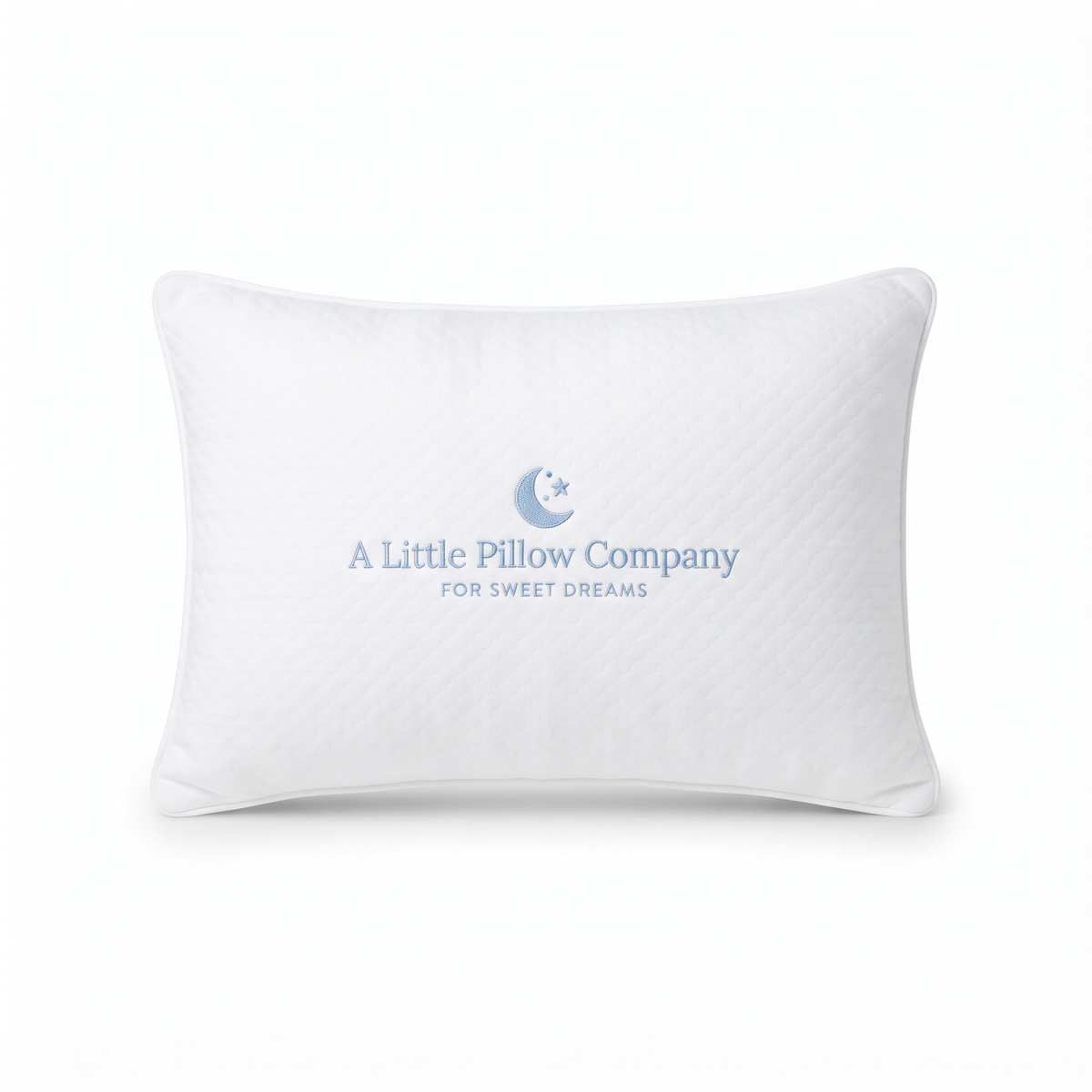
1. A Little Pillow Company Toddler Pillow
Best for: Parents who want a single pillow that can be adjusted continuously as their child grows from age two to four.
This is the most adjustable option here, letting a parent add or remove fill through a zipper as the child grows. That flexibility is genuinely useful, but it also means the loft is not fixed the way it is on a solid or single-fill pillow. You will need to check the fill level yourself rather than relying on the manufacturer to set a perfectly safe height out of the box.
The cover is made from organic cotton and the fill is a hypoallergenic synthetic cluster fiber designed to mimic down without the allergen risk. It holds up exceptionally well in the washing machine, which is a mandatory feature for anything going in a toddler’s bed.
- Zipper access allows you to customize the height exactly to your child’s shoulder width.
- Fully machine washable without the fill clumping together.
- Requires active monitoring to ensure you do not overfill it for a younger toddler.
- Premium price compared to fixed-fill synthetic pillows.
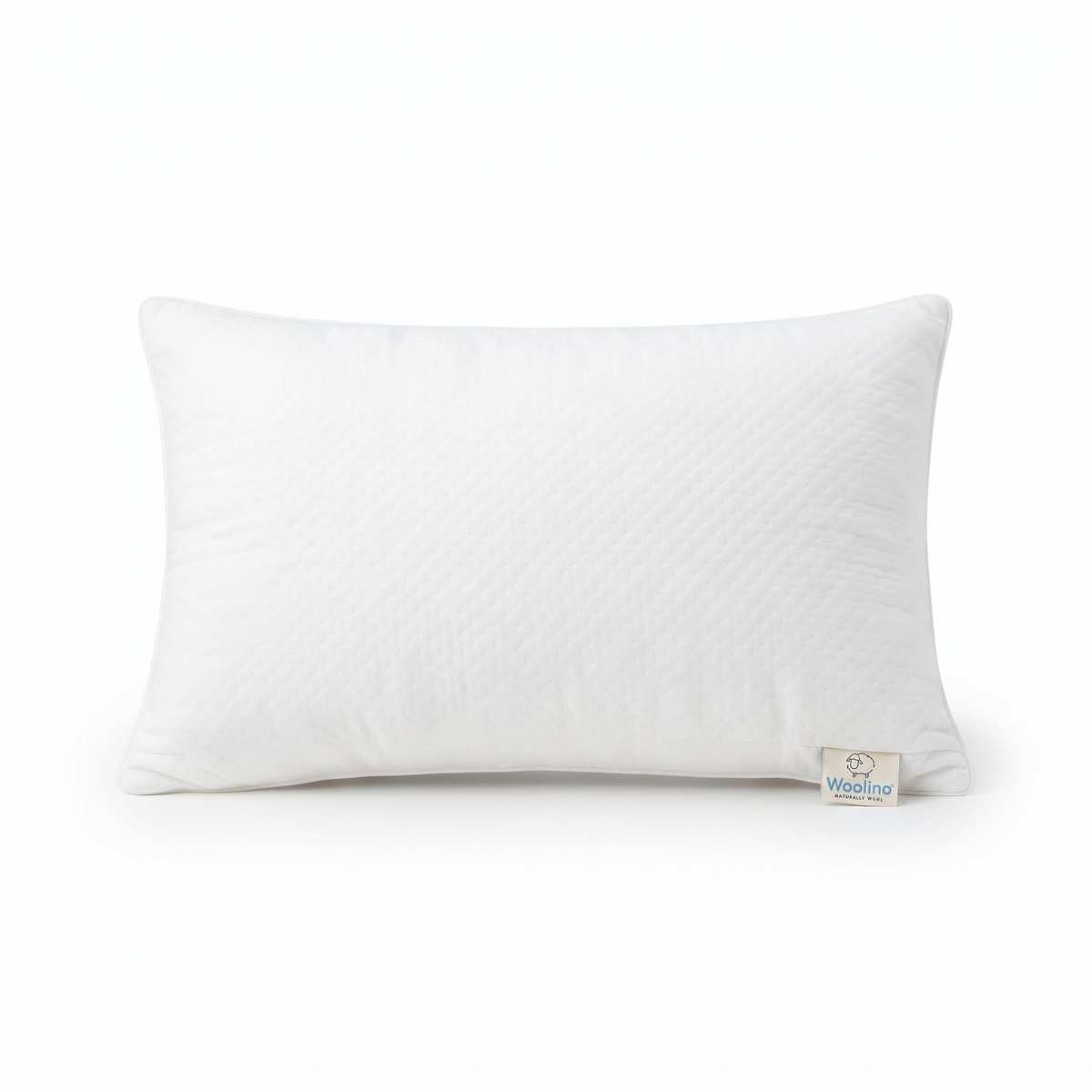
2. Woolino Premium Wool Toddler Pillow
Best for: A child’s very first pillow where minimal height and maximum breathability are the top priorities.
This has the lowest loft of the group, measuring under two inches in independent testing. This lines up closely with the strict pediatric guidance that a young child’s head should barely lift off the mattress. This is the pick to start with, not necessarily the one to stay with indefinitely as they grow.
The Australian wool fill is exceptional at temperature regulation. Toddlers are notorious for sweating profusely during early sleep cycles, and wool naturally wicks that moisture away better than any synthetic fiber or down alternative on the market.
- Extremely low profile ensures safe neck alignment for two-year-olds.
- Wool fill prevents the night sweats common with synthetic pillows.
- Fixed, ultra-low loft means older toddlers will outgrow it quickly.
- Highest price point in this comparison.

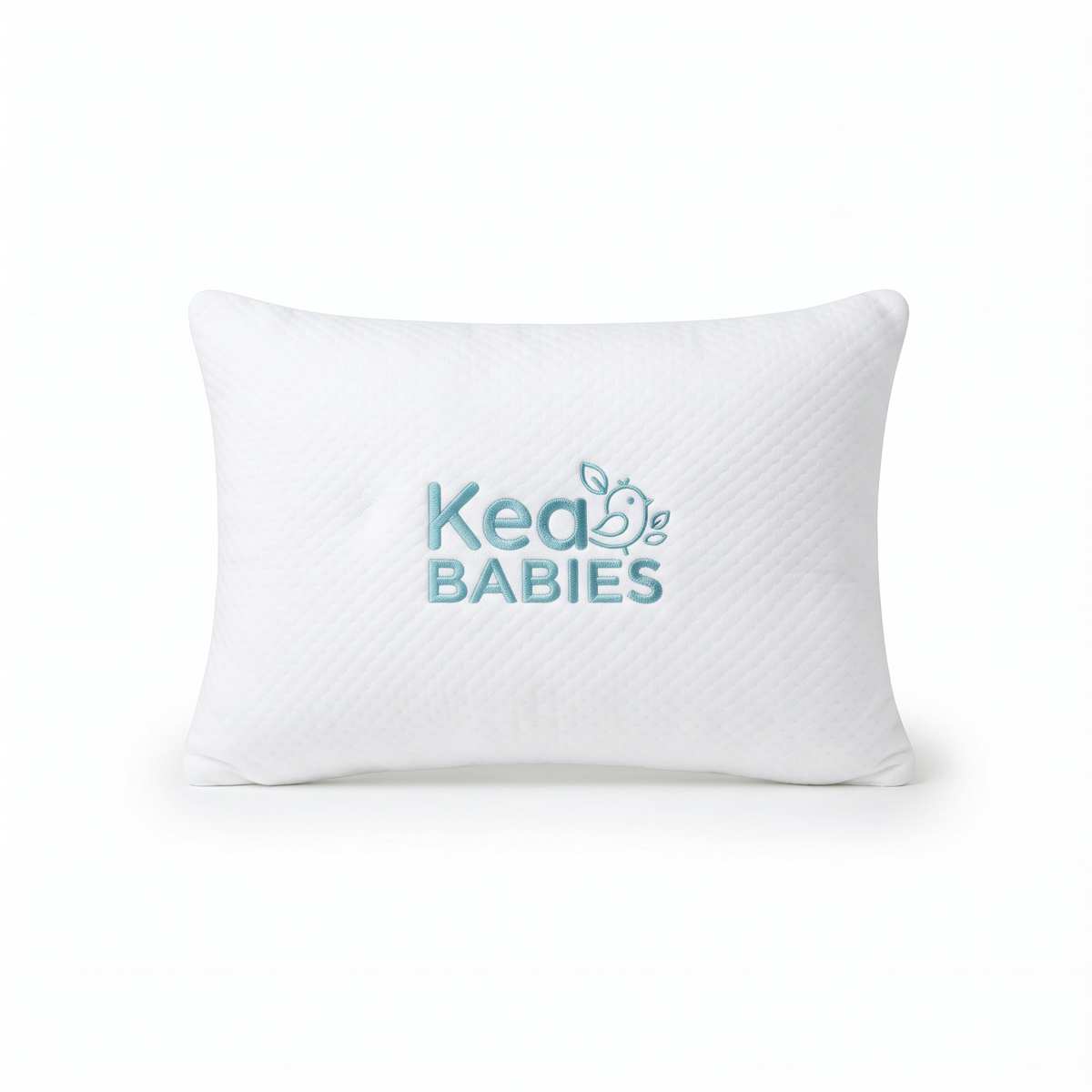
3. KeaBabies Toddler Pillow
Best for: Shoppers wanting a reliable, perfectly sized standard toddler pillow at an accessible price.
This is the middle-ground option: a standard toddler loft in the same 13×18 footprint as the A Little Pillow Company pick, but with a fixed rather than adjustable fill, and a lower price point. It is also available in a 14×20 jumbo size for when a child eventually outgrows the standard footprint.
The 220-thread-count cotton shell houses a ball-fiber synthetic fill that provides a gentle, soft support level without propping the child’s head up too sharply. Because the fill is fixed, you do not have to worry about accidentally overstuffing it or dealing with loose fiber spills.
- Affordable price point for a highly rated, safely proportioned pillow.
- Fixed fill removes the guesswork of setting the correct loft height yourself.
- Cannot be customized as the child’s shoulder width increases.
- Synthetic fill does not regulate temperature as effectively as wool.
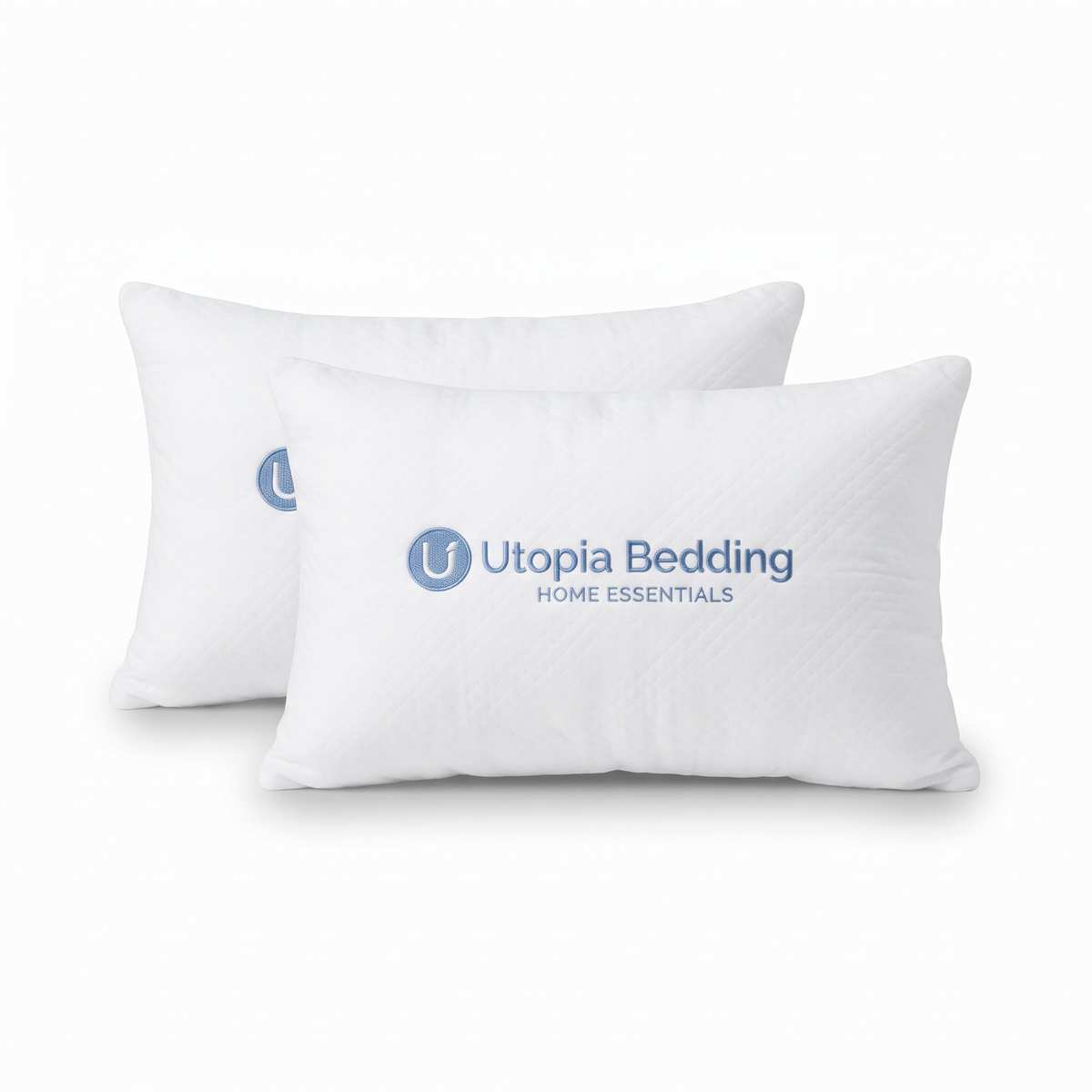
4. Utopia Bedding Toddler Pillow (2-pack)
Best for: Older toddlers who need a slightly higher loft, or parents needing cheap backups for daycare and travel.
At roughly 3.5 inches of loft, this runs higher than the other three options. This makes it a much better match for an older toddler who is already comfortable with a pillow, rather than for a two-year-old child’s very first one.
The two-pack format and extremely low price make it a highly reasonable choice for stocking a second bed, sending to daycare, or packing into a suitcase where losing it will not be a financial setback. You sacrifice the premium materials of the other brands, but gain undeniable convenience.
- Exceptional value with two pillows included in a single pack.
- Perfect cheap backup option for preschool nap mats or road trips.
- The 3.5-inch loft is dangerously high for younger toddlers just transitioning to a bed.
- Basic synthetic materials lack the breathability of higher-end options.
Soft Doesn’t Mean Safe: What Loft Actually Controls
Pillow marketing for adults leans on words like plush, cloud-like, and fluffy, and it’s an easy habit to carry into shopping for a toddler’s first pillow. Pediatric sources push back on that instinct directly: a smaller, firmer pillow is the safer starting point, not because firmness is inherently better, but because a soft, deeply compressible pillow can mold around a young child’s face if they roll into it, and a toddler is still developing the strength and motor control to push an object away from their nose and mouth.
Loft is the number that operationalizes that guidance. A pillow that barely lifts the head off the mattress, roughly one to two inches, keeps a toddler’s first experience with a pillow about as close to the flat, bare sleep surface they’re used to as possible. Most sources agree it’s reasonable to move toward a slightly higher, fluffier loft, generally in the 3 to 4 inch range, somewhere between ages 3 and 4, once a child has more consistent head and neck control. Memory foam specifically comes up as a material to avoid at this age across multiple sources, since its slow-rebound, deep-contouring feel is the opposite of the firm, low-profile surface pediatric guidance points toward.
When to Start: What the Guidance Actually Says
Most pediatric sources point to around age 2 as the earliest reasonable starting point for a toddler pillow, tied closely to the transition out of a crib and into a toddler bed. Some sources cite an 18 to 24 month range depending on the individual child’s development rather than a single fixed number. The American Academy of Pediatrics recommends keeping pillows and other soft bedding out of a crib for at least the first 12 months regardless of pillow size, since the concern in that window is broader than pillow design specifically. Readiness signs commonly mentioned alongside the age guidance include a child bunching up a blanket or stuffed animal under their head on their own, consistent independent sleep without swaddling, and solid head and neck control.
None of this is individualized medical advice, and every child develops on a different timeline. If your child has any respiratory, developmental, or medical considerations, or you’re simply unsure, that conversation belongs with your pediatrician rather than a product page.
Sourcing Notes on This Comparison
We selected four pillows spanning the loft range pediatric guidance actually references, from the lowest-loft starter option through a higher-loft pick for older toddlers, rather than ranking several similar mid-loft pillows against each other, because loft and footprint are the two specs that most directly relate to the safety guidance parents are searching for. Every loft figure, dimension, and certification above comes from current manufacturer listings or independently tested reviews and gets re-verified on each content refresh.
FAQs
When can a toddler start using a pillow?
Pediatricians and the American Academy of Pediatrics recommend introducing a pillow no earlier than age two. Your child must already sleep in a toddler bed and move freely. Introducing elevation too early strains a developing spine and creates airway hazards. Consult your pediatrician before adding any bedding.
What size pillow is best for a toddler?
The standard toddler pillow measures 13 by 18 inches. This compact frame prevents excess fabric from crowding a small face during sleep. Standard adult pillows (20 by 26 inches) push young necks into forced flexion. Always pair the pillow with a matching snug-fitting case.
Is memory foam safe for a toddler pillow?
Most pediatric guidelines advise against solid memory foam for young children. Viscoelastic foam traps body heat and maintains facial indentations rather than springing back quickly. Opt for breathable organic latex, wool, or cotton fill instead. If adjustability is required, shredded natural fills provide elevation without heat retention.
How firm should a toddler pillow be?
A toddler pillow must compress down to a 1.5 to 2.5 inch loft under actual head weight. Firm support prevents the head from sinking into plush material while maintaining neutral cervical alignment. Extremely soft down options pose a suffocation risk. Choose responsive organic latex or firm wool for consistent support.
Can a toddler use a regular adult pillowcase?
No, standard adult pillowcases measuring 20 by 30 inches are unsafe for toddler pillows. The extra seven inches of fabric bunch up at the open end, creating a loose barrier near the child’s breathing area. Only use dedicated 13 by 18 inch cases that fit flat without excess material.
How often should you wash a toddler pillow?
Wash the toddler pillowcase weekly and the inner pillow every four weeks. Frequent washing removes drool, night sweat, and allergens from intimate facial contact. Always verify the manufacturer care tag first. Wool and latex inner fills require spot cleaning rather than full machine washing.