TL;DR:
- Side Sleepers: The adjustable Saybrook or Coop Eden are required to match your specific shoulder gap.
- Back Sleepers: You need a low-loft latex core (like the Purple Harmony) to maintain cervical curve without pushing your chin to your chest.
- Stomach Sleepers: Require the lowest possible loft (under 2.5 inches) or no pillow at all to prevent hyperextension.
- Stop buying pillows based on generic “9.8/10” review scores. Buy based on your physical sleep mechanics.
If you search for the “best pillows of 2026,” you will find a dozen sites giving the same five pillows a “9.8 out of 10.” They will tell you they are “obsessed” with their #1 pick. They will not tell you why that pillow works for your specific body mechanics.
That is how you end up spending $150 on a premium pillow and still waking up with a kink in your neck.
A pillow is not a subjective comfort accessory; it is a mechanical tool designed to keep your cervical spine in neutral alignment with the rest of your back. According to the Sleep Foundation, the wrong pillow loft forces sustained lateral or upward stress on your neck all night.
We are throwing out the generic Top 10 lists. Instead, here is the mechanical truth behind the industry’s top models, broken down by how you actually sleep.
The 2026 Verified Roster
| Pillow | Fill Material | Adjustment Friction | Mechanical Match |
|---|---|---|---|
| Saybrook Adjustable | Gel-infused shredded memory foam + microfiber | High (Ships overstuffed, manual removal required) | Side Sleepers, Broad Shoulders |
| Purple Harmony | GelFlex Grid + Talalay Latex | Zero (Fixed loft at purchase) | Back Sleepers, Hot Sleepers |
| Coop Home Goods Eden | Shredded memory foam + microfiber | High (Manual calibration needed) | Side/Back Combo Sleepers |
The Side Sleeper Reality: Mind the Gap
Side sleeping creates a massive mechanical problem: a literal gap between your ear and the mattress. Your pillow’s only job is to fill that gap.
If the loft is too low, your head droops. If it is too high, your neck cranes upward. Because everyone’s shoulder width is different, a fixed-height pillow is mathematically guaranteed to fail most side sleepers.
This is why adjustable pillows dominate the side-sleeping category. Models like the Saybrook and the Coop Eden use shredded memory foam blends that let you manually unzip the cover and pull out handfuls of fill until the pillow perfectly matches your shoulder gap.
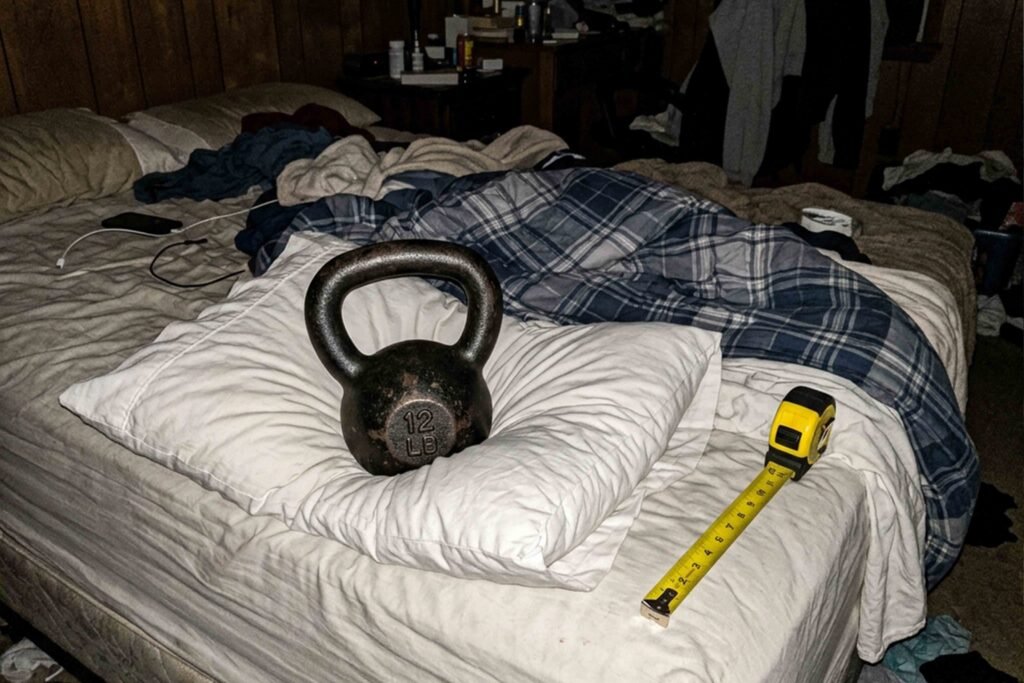
The Real Friction: Adjustable pillows almost always ship overstuffed. You cannot just take the Saybrook out of the box and go to sleep. You must spend 10 minutes lying down, measuring your alignment, and removing fill.
If a review site doesn’t mention this calibration process, they didn’t test the pillow. In fact, ignoring this manual adjustment is the number one reason we fail most models in our mechanical breakdown of the best pillows for side sleepers.
The Back Sleeper Reality: Cervical Support
Back sleeping is generally considered the healthiest position for spinal alignment by organizations like the National Institutes of Health, but it requires a very specific pillow profile.
If a back sleeper uses a thick, high-loft pillow (like an uncalibrated Saybrook), it forces their chin into their chest. This restricts the airway and strains the cervical curve. Back sleepers need a lower loft (usually 3 to 4 inches) that supports the neck without lifting the head.
This is where latex and grid technologies shine. The Purple Harmony (Low or Medium loft) uses a solid Talalay latex core wrapped in a GelFlex polymer grid. It provides instantaneous rebound, meaning it fills the small gap under your neck but compresses easily under the heavier weight of your skull.
However, the exact loft you need here is highly dependent on your mattress; if you have a softer bed, your torso will sink deeper, which changes the required angle. Understanding how mattress firmness impacts your sleeping posture is critical before buying a fixed-loft pillow.
The Stomach Sleeper Reality: Hyperextension
Stomach sleeping forces the neck to rotate 90 degrees and pushes the lower back into hyperextension. Adding a pillow under the head only makes this worse.
If you are a strict stomach sleeper, your best option is often no pillow at all. If you must use one, it needs to be incredibly thin—under 2.5 inches of loft. Soft, highly compressible materials like down or low-fill microfiber work best here, as they flatten out almost entirely under the weight of your head. High-rebound materials like solid latex will actively fight against you, which is why reviewing the exact differences between memory foam and latex is essential for stomach sleepers looking for minimal pushback.
Frequently Asked Questions
Are expensive pillows actually worth it?
Only if the mechanics match your body. Spending $150 on a premium solid latex pillow is a waste of money if you are a side sleeper who needs 6 inches of loft and you bought the 4-inch model. Buy for alignment first, material quality second.
What is the difference between the Saybrook and the Coop Eden?
Both use a blend of shredded memory foam and microfiber. The Saybrook uses a proprietary “Lion Down Alternative” and features a breathable bamboo-derived cover with premium YKK zippers. Both require manual calibration to find your ideal loft.
How do I know if my pillow is too high?
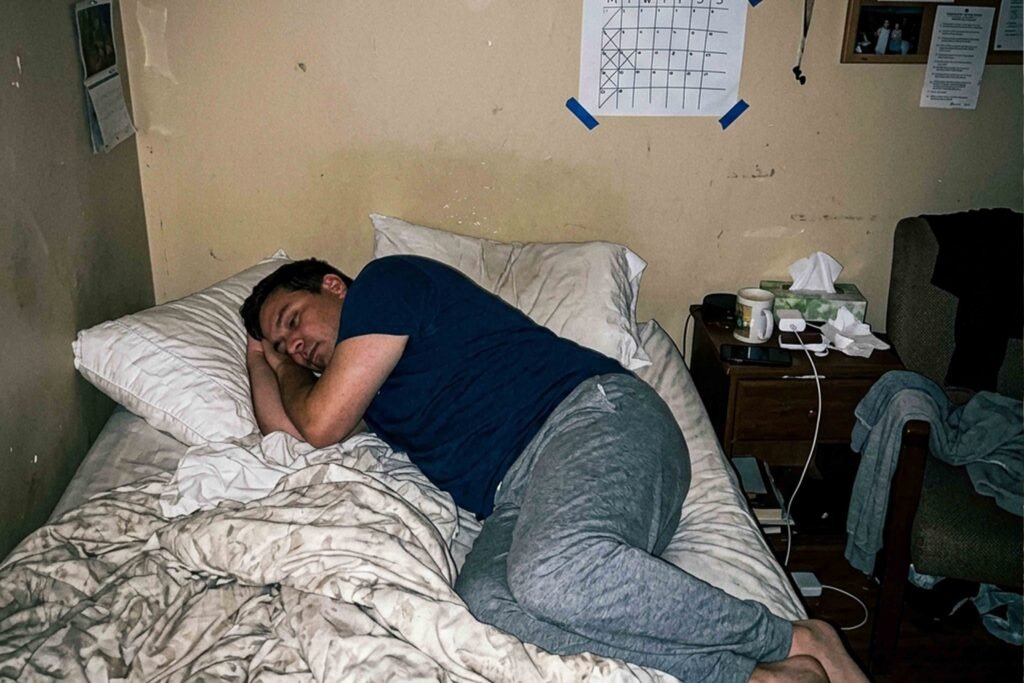
Tape our printable alignment grid to the wall next to your bed. Have someone take a photo of you lying in your normal sleep position. Your spine should form a straight, neutral line. If your head is tilting upward, your pillow is overstuffed.
Download Free Loft Calibration Log Sheet
Have a question about a specific brand? Drop it in the comments. We read every single one. The Brocia Team