Insights
Expert blogs, tips, and guides on dog care, training, nutrition, and products. Stay informed and inspired to give your furry friend the best life.

Intermediate Work: Prong (Pinch) Collar Commands and Cues
Teach commands on prong with micro cue-slack immediately reward. Keep the collar high, tight even, run short 3-5 minute sets and mark and reinforce every right opinion. For mileage, a front-clip harness; for precision reps only, the prong. Once your dog learns general leash pressure you can begin shaping more ... read more

How to Size a Prong Collar for Your Breed
Fit a prong collar to your dog’s high neck measurement (behind the ears) and pick the lightest gauge of link that holds its shape (frequently 2.25 mm for small/medium, 3.0–3.2 mm for large). Final fit will be achieved with addition/removal of links to achieve a high, snug and level collar ... read more
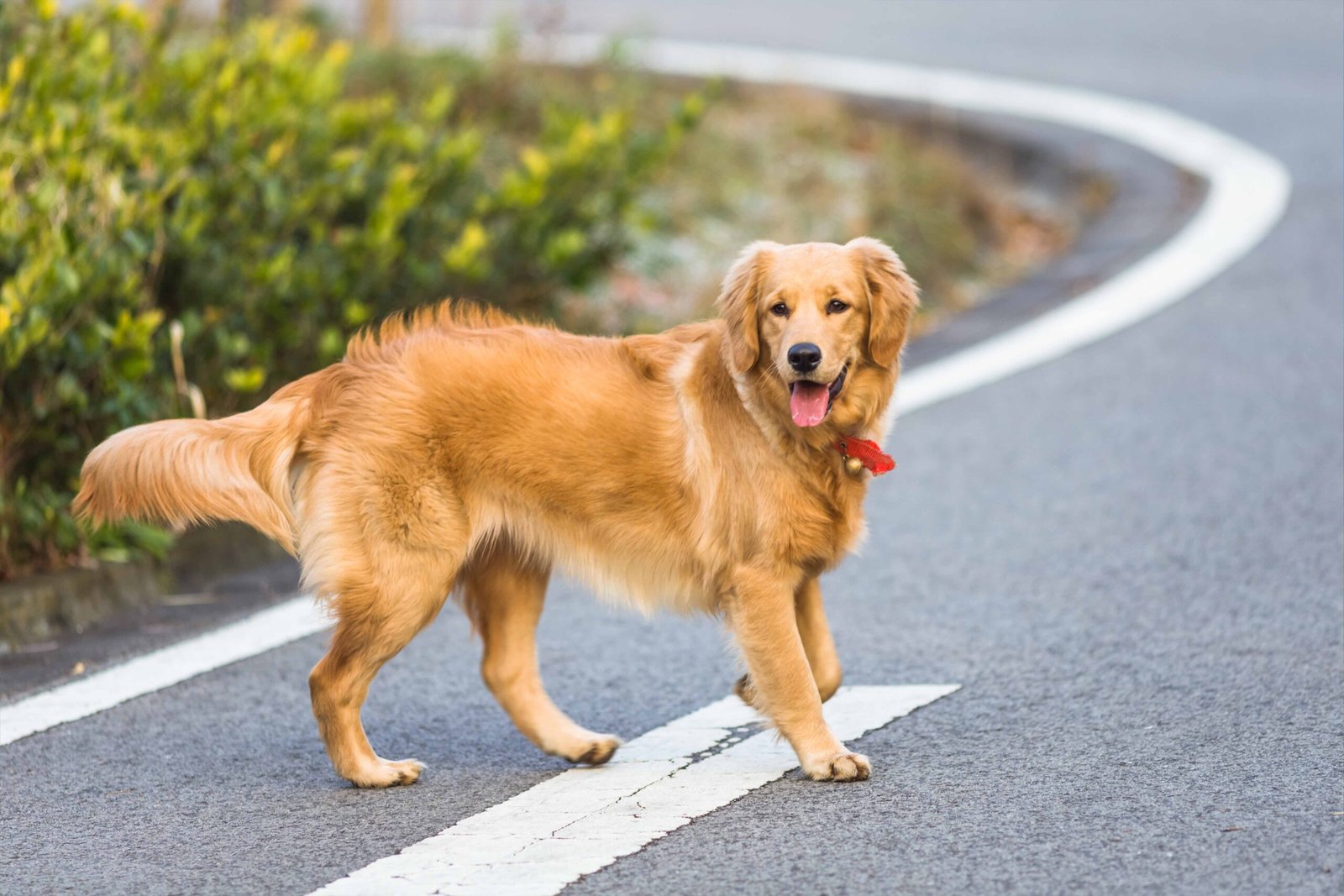
Step-by-Step: Prong (Pinch) Collar: Putting it on and Fit
Open one up, size it using adding/removing punches and make sure to settle the closed collar high behind the ears tight, even fit. You should get a nice solid click when it’s been seated (for quick-release that is) and have no slide over the ears. Carry as per cue relaxed ... read more
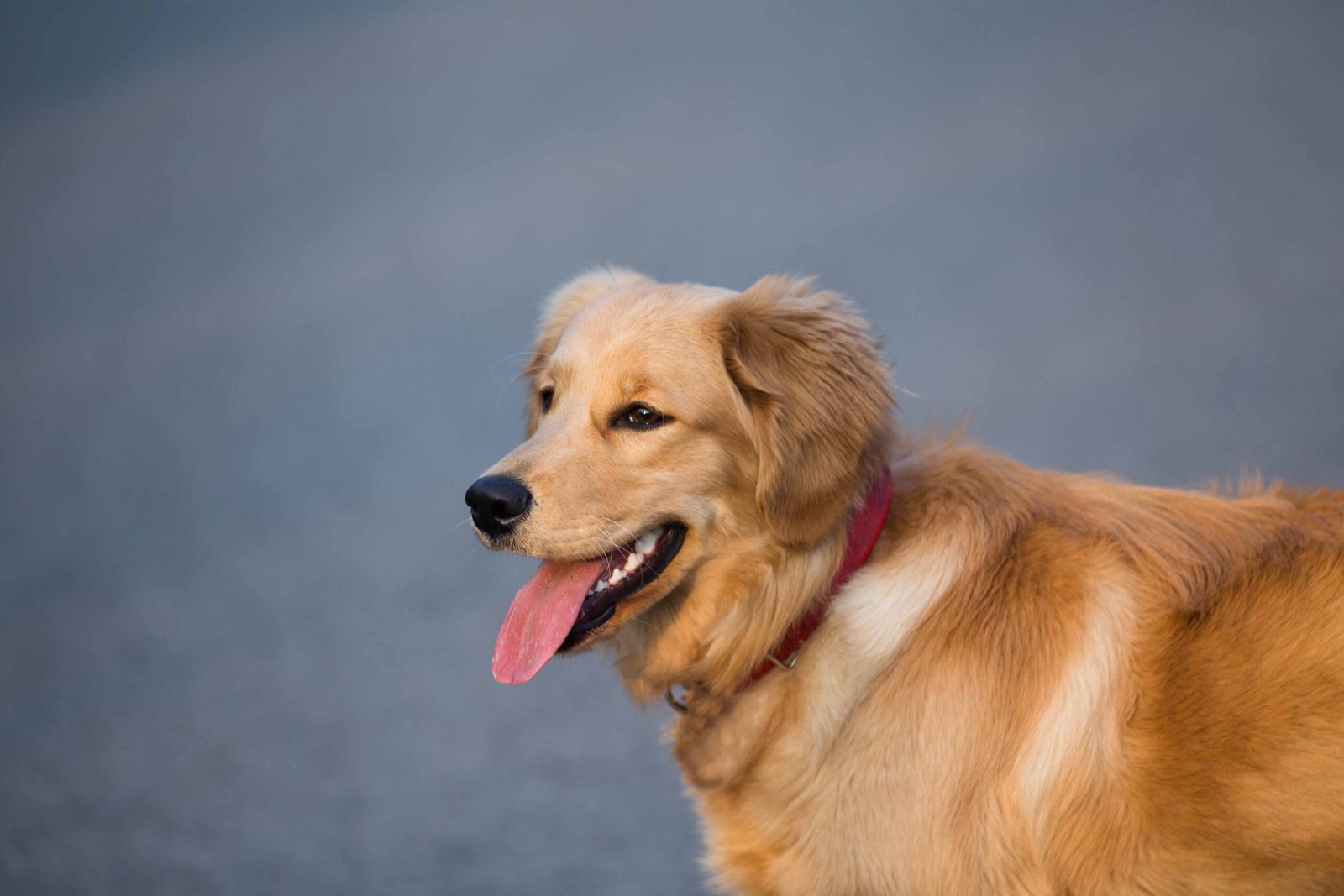
Measure Once and Fits Right: Prong Size Guide
Measure the highest part of neck behind ears and ordering dogs collar size will be at least 3” longer than the biggest neck size in ordered size. Measures your pet’s neck to ensure you are getting the right fit, or leave us a note if you want buckle holes closer ... read more

Adjustable vs Standard Prongs: Which to Buy?
A pronged collar allows you to control the size, without having to take links in or out. This is quicker to size, and good for coat/weight changes It’s also has more parts that could potentially move. The collar (whatever style is preferred) should sit high behind the ears; be snug ... read more
Prong collar vs. Slip collar: The Pros and Cons
Both are designed to provide a blip of even pressure for the baby-est leash cues when worn high and snug; an “aversion” collar like just a slip or choke, tighten through the pull on that loop and can continue to get tighter as long as there’s tension on the leash. ... read more
Safer Prong Work: Fit, Timing, Progressions
Prong fit high behind ears, training with: tiny cue immediate slack reward. Keep sessions 5 to 10 minutes, beginning in low-distraction environments, and walk daily on a front-clip harness the prong is for short stretches of coached precision, not marathons. With a prong collar it is timing and fit that ... read more
Harness vs Pinch (Prong) Collar: What’s Right for Your Dog?
For loose leash walking, especially with pullers: A front-clip (or dual-clip) harness is the safer, calmer default. A prong (pinch) collar is an instrument for short coached sessions only set high and tight to be used as cue, slack (not constant pressure). Whether you use a harness or prong collar comes ... read more

Pinch (prong) collar vs. Choke chain: Noteworthy differences
A prong/pinch collar employs interconnected links to maintain an even distribution of pressure around the neck for quick, gentle reminders; a choke chain can constrict into an infinite tightening loop. For humane training, snug high prong tight, cue slack and not pressure. It’s a common misconception that prong collars and choke ... read more
The Ultimate Prong Collar Guide: Care, Fit & Use
A prong/pinch collar has rounded links that spread pressure equally around the neck and make small leash cues more obvious. It should be located well up at the back of the ears with a snug feel but not tight and used in cue-slack driving never constant pressure. Introduction If you ... read more