Dog Guide
Dog Guide offers expert tips on training, health, nutrition, and gear. Discover clear, practical advice to keep your dog happy, healthy, and well-trained.
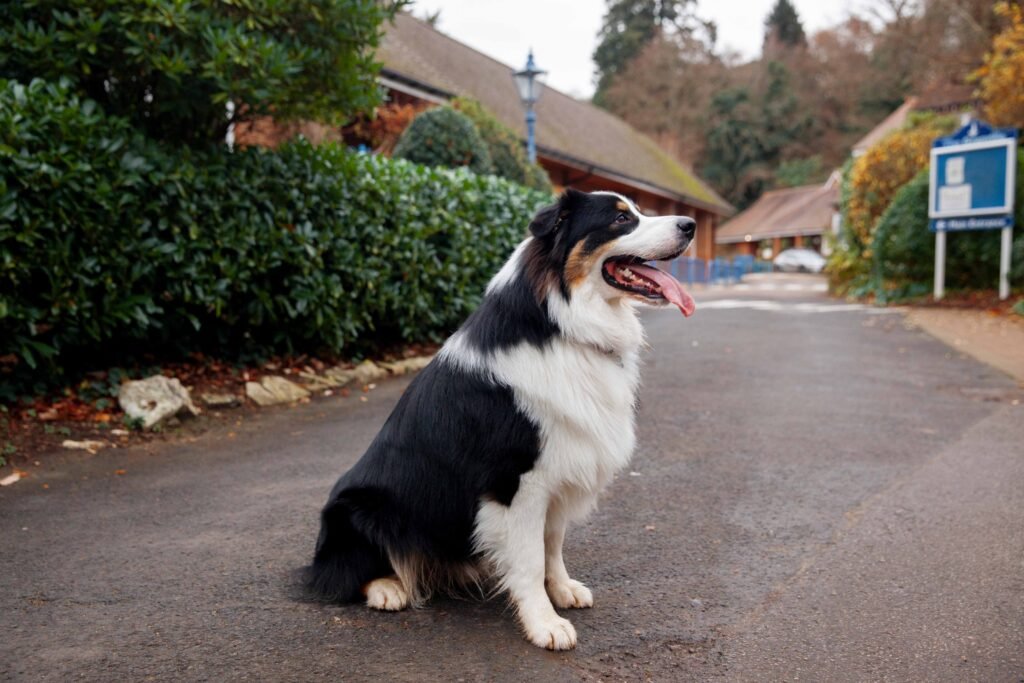
Which Dog Collar Should You Use? A Clear Guide
A flat quick-release (side-release) collar for everyday ID and on/off ease of use; breakaway if you have the snag risk; martingale for the escape artists; and walk on a well-fitted harness, not a collar, if your dog pulls like crazy or if you need more control. What are the Common Types ... read more
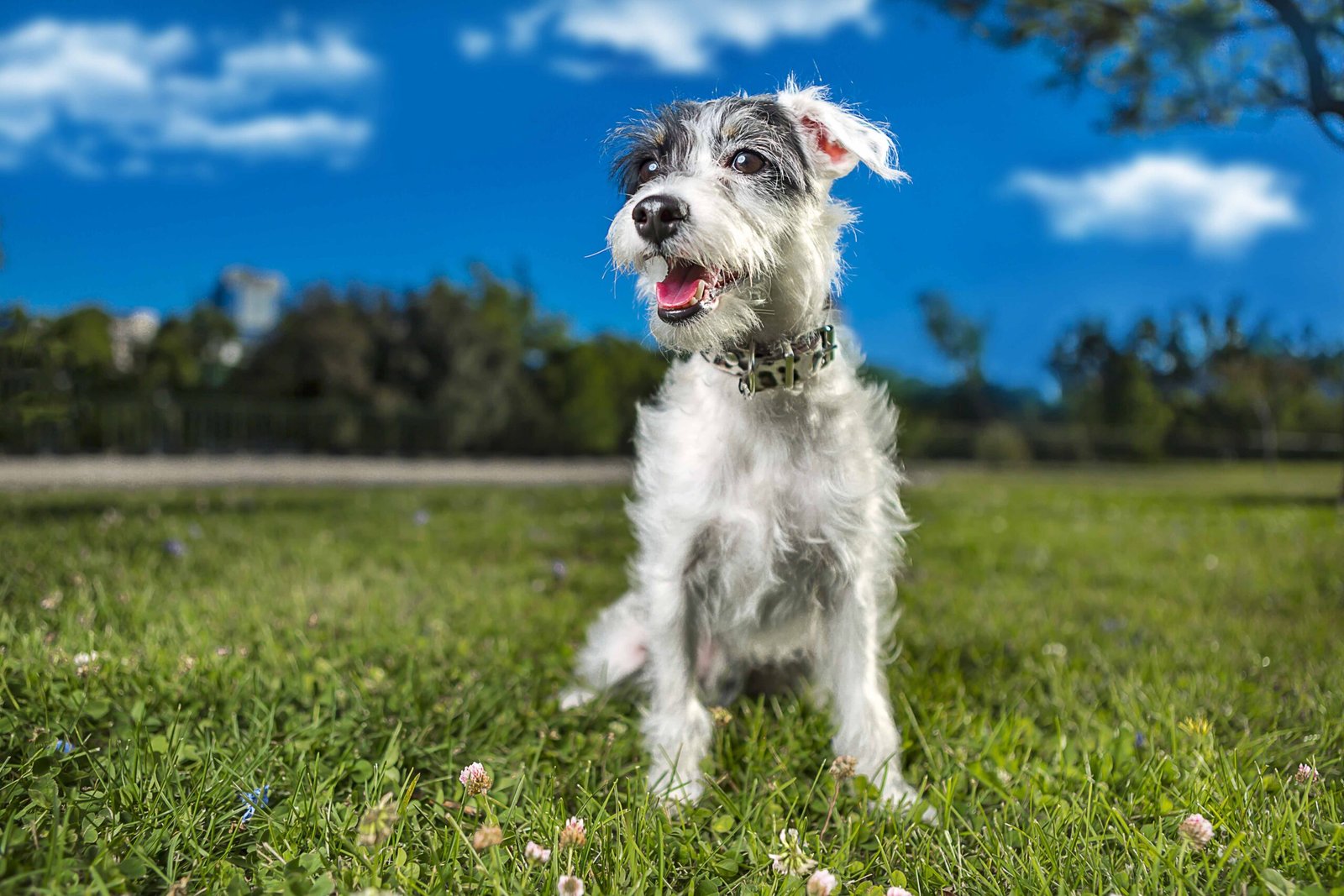
Stop the Fumble: Quick-Release Harness Guide
Quick-release harness buckles allow you to gear up and get out the door quickly and also bail out when your day takes a turn. They’re glove-friendly, are terrific for nervous or wiggly dogs, and help reduce the chaos at doors, elevators and curb stops. When is a Quick-Release Buckle on ... read more
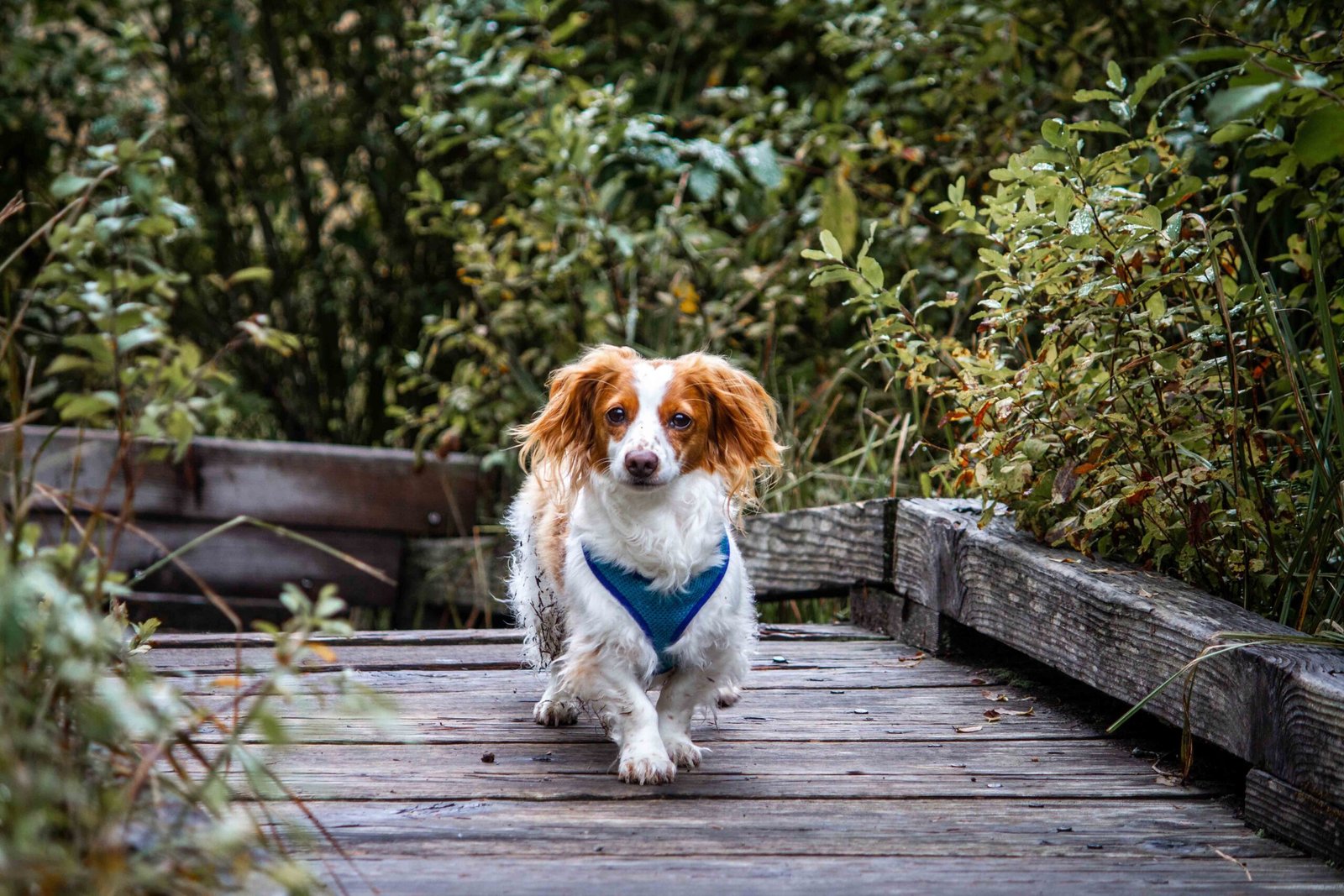
How to Add a Quick-Release to Your Dog’s Prong Collar
Replace the center plate with a quick-release (Clip-style) latch and never again need to fumble around to open/close your collar when you’ve got cold hands that bend links. It’s a handling improvement: Quicker transitions in and out, cleaner return release, more relaxing sessions. What Does Quick-Release on a Prong Collar ... read more
Prong Collar Size Chart: How to Measure Your Dog for a Prong Collar
Measure your dog’s neck right behind the ears, select chain thickness on the lightest gauge that holds its shape (typically 2.25 mm for small/medium dogs and 3.0-3.2 mm for large dogs), and size by adding/removing links so that the collar sits high, snug, and even it should swivel a smidge ... read more
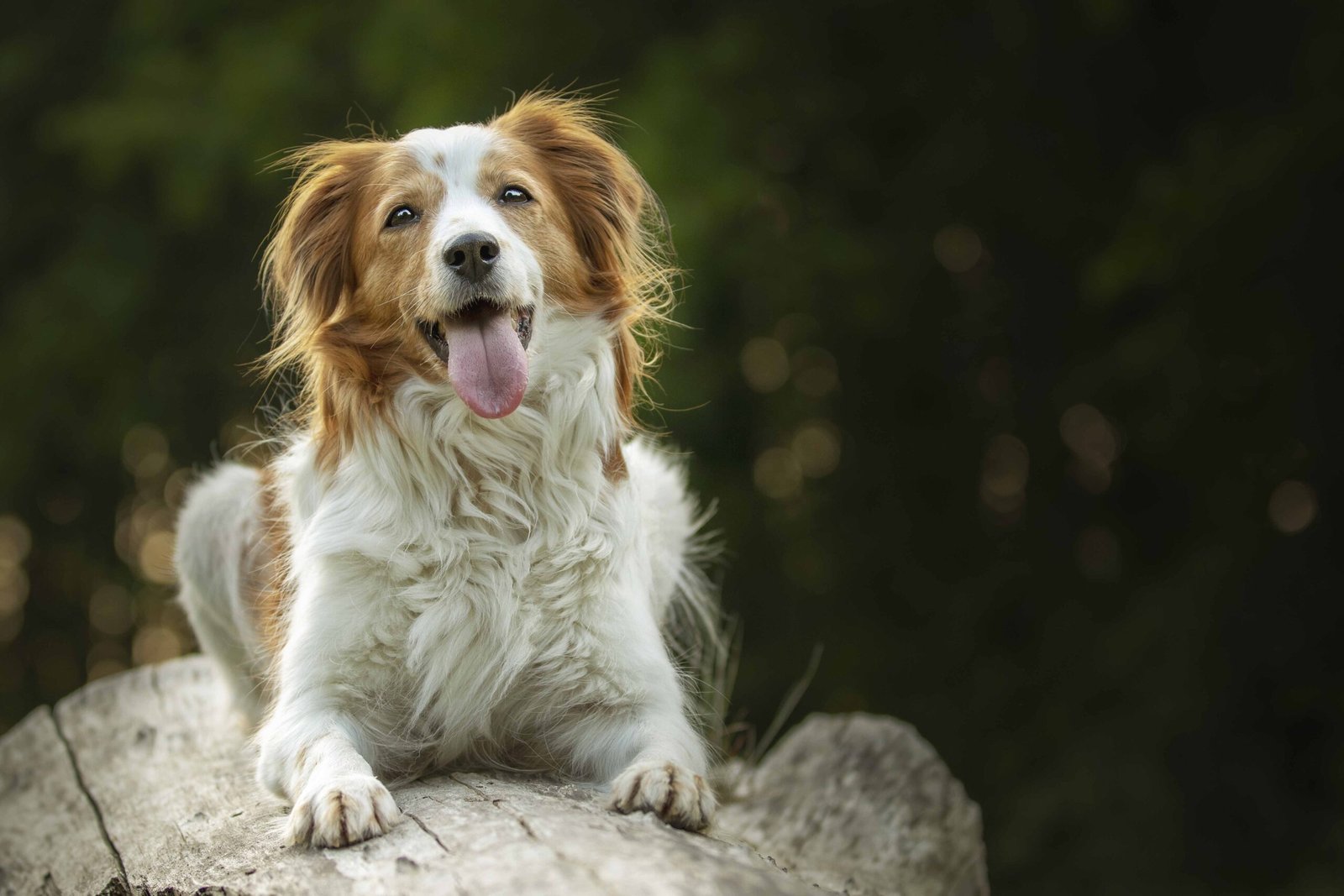
How to Size a Prong Collar for Your Breed
Fit a prong collar to your dog’s high neck measurement (behind the ears) and pick the lightest gauge of link that holds its shape (frequently 2.25 mm for small/medium, 3.0–3.2 mm for large). Final fit will be achieved with addition/removal of links to achieve a high, snug and level collar ... read more
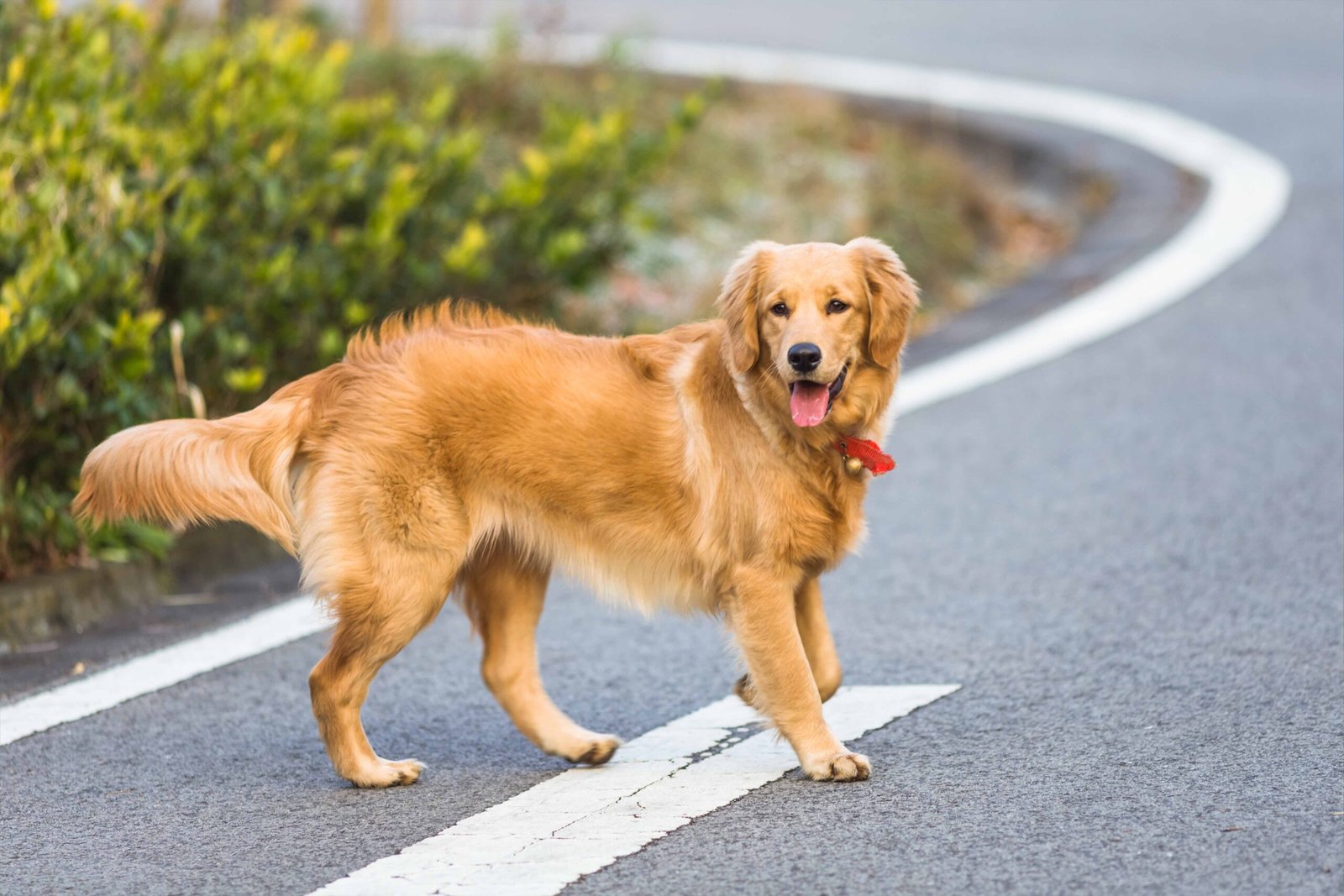
Step-by-Step: Prong (Pinch) Collar: Putting it on and Fit
Open one up, size it using adding/removing punches and make sure to settle the closed collar high behind the ears tight, even fit. You should get a nice solid click when it’s been seated (for quick-release that is) and have no slide over the ears. Carry as per cue relaxed ... read more
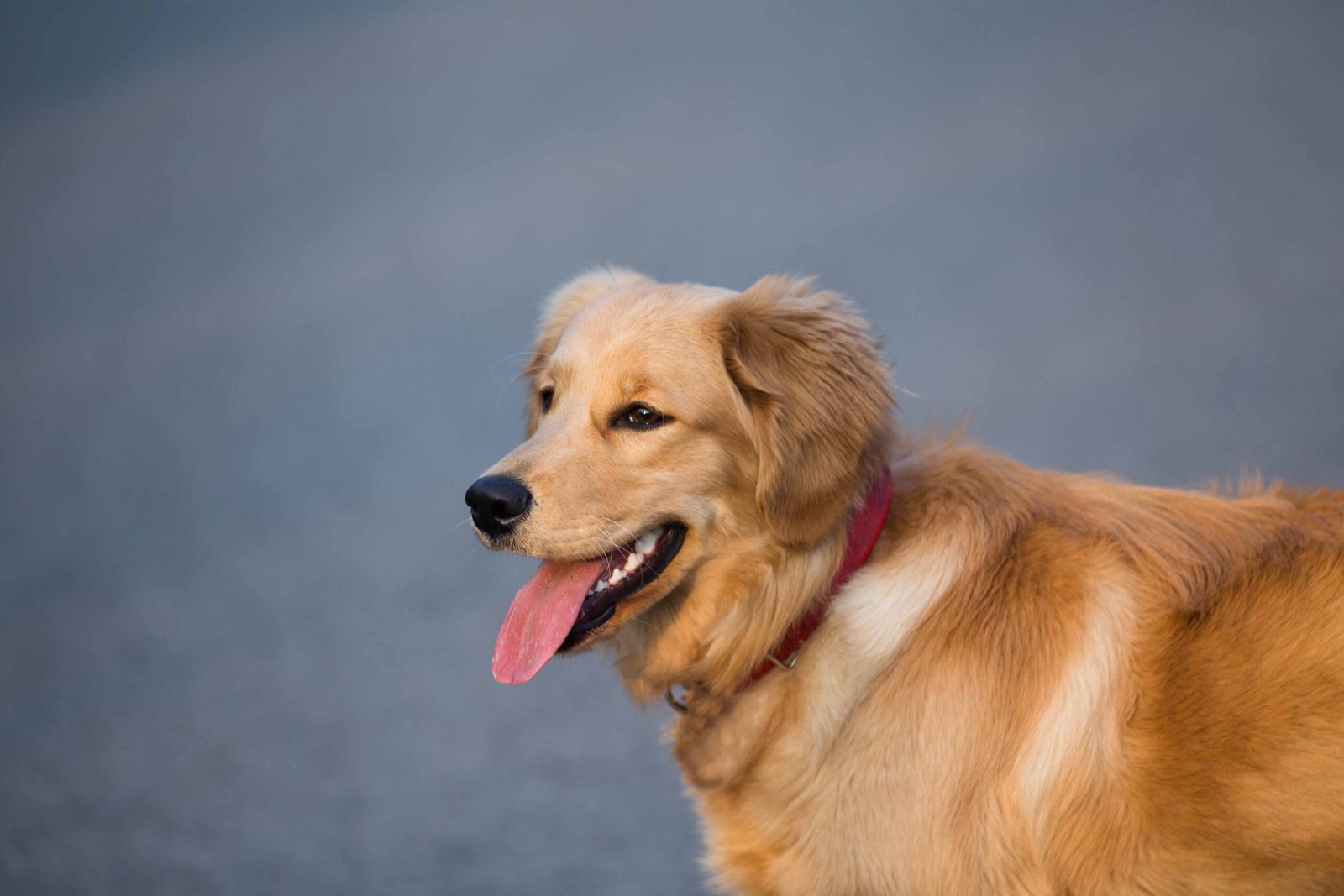
Measure Once and Fits Right: Prong Size Guide
Measure the highest part of neck behind ears and ordering dogs collar size will be at least 3” longer than the biggest neck size in ordered size. Measures your pet’s neck to ensure you are getting the right fit, or leave us a note if you want buckle holes closer ... read more

Adjustable vs Standard Prongs: Which to Buy?
A pronged collar allows you to control the size, without having to take links in or out. This is quicker to size, and good for coat/weight changes It’s also has more parts that could potentially move. The collar (whatever style is preferred) should sit high behind the ears; be snug ... read more
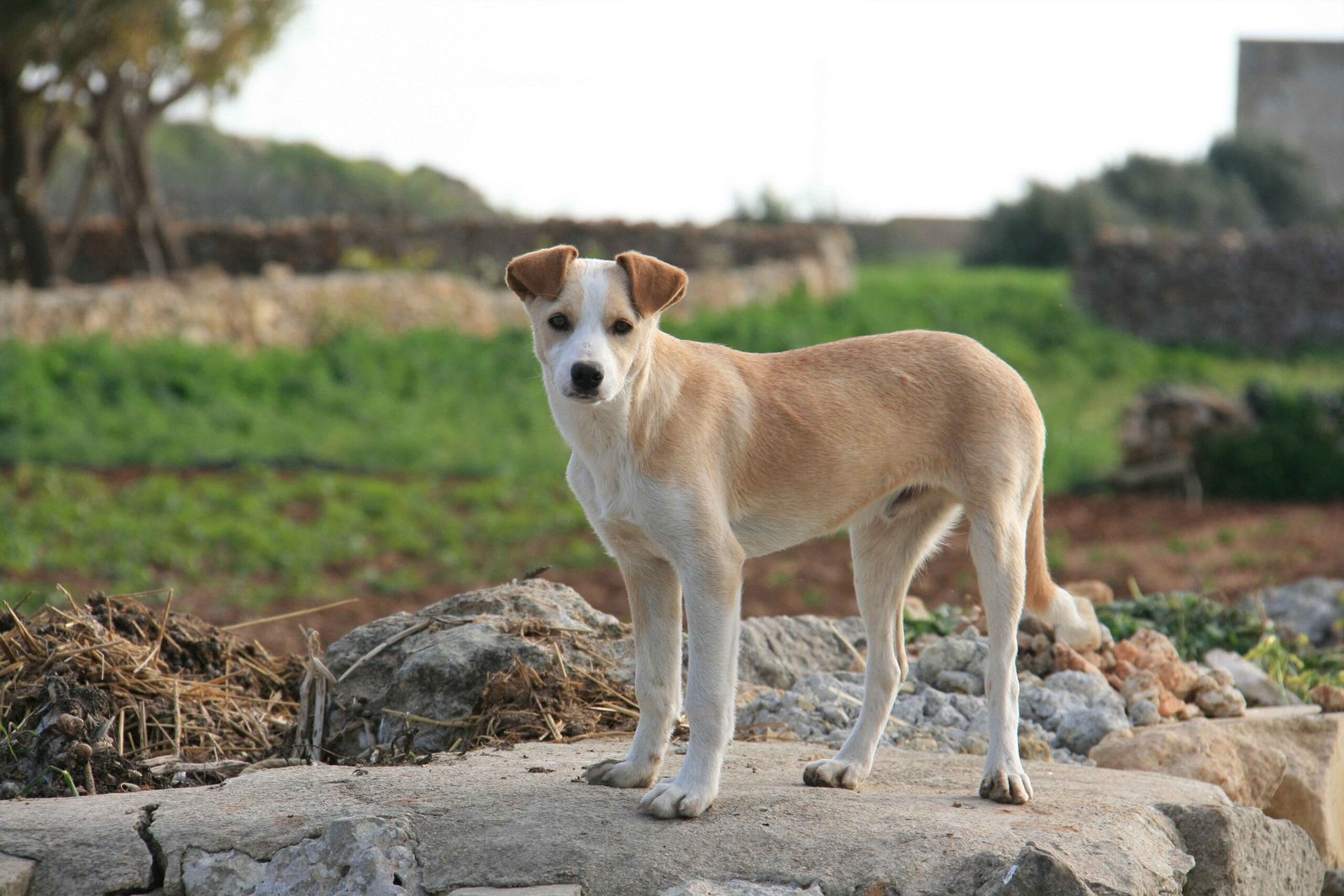
Safer Prong Work: Fit, Timing, Progressions
Prong fit high behind ears, training with: tiny cue immediate slack reward. Keep sessions 5 to 10 minutes, beginning in low-distraction environments, and walk daily on a front-clip harness the prong is for short stretches of coached precision, not marathons. With a prong collar it is timing and fit that ... read more
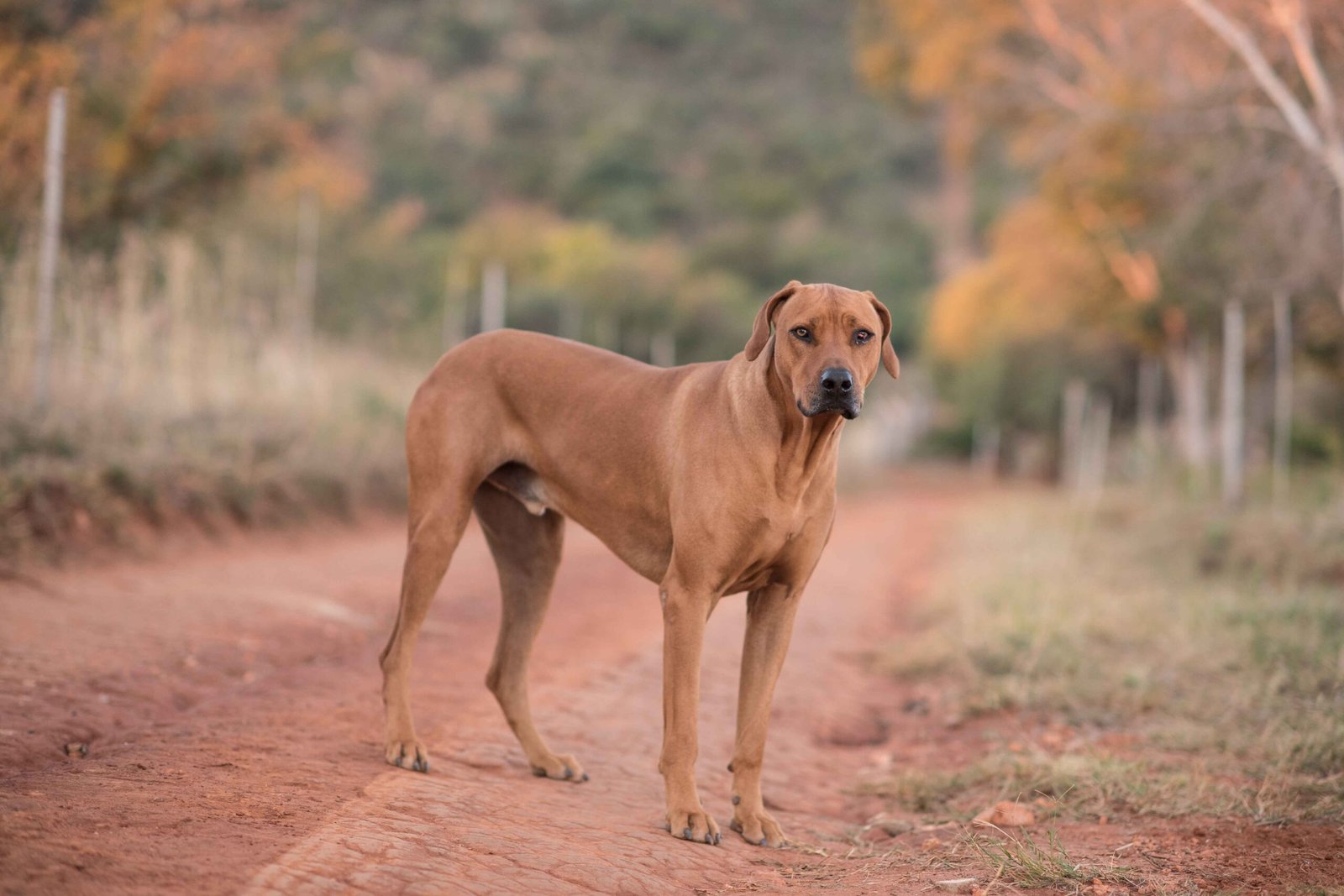
Harness vs Pinch (Prong) Collar: What’s Right for Your Dog?
For loose leash walking, especially with pullers: A front-clip (or dual-clip) harness is the safer, calmer default. A prong (pinch) collar is an instrument for short coached sessions only set high and tight to be used as cue, slack (not constant pressure). Whether you use a harness or prong collar comes ... read more